Director Yukiko Sode has brought Mieko Kawakami's novel to the big screen, presenting it at Cannes as a mirror of contemporary human relationships. The story does not seek easy answers, but rather exposes an unstable beauty, made of silences and connections that fade away. For the audience, this implies a direct reflection on the emotional fragility and loneliness that marks everyday life. The film invites us to think about how we seek affection without certainties, facing a love that is built and broken with equal ease.
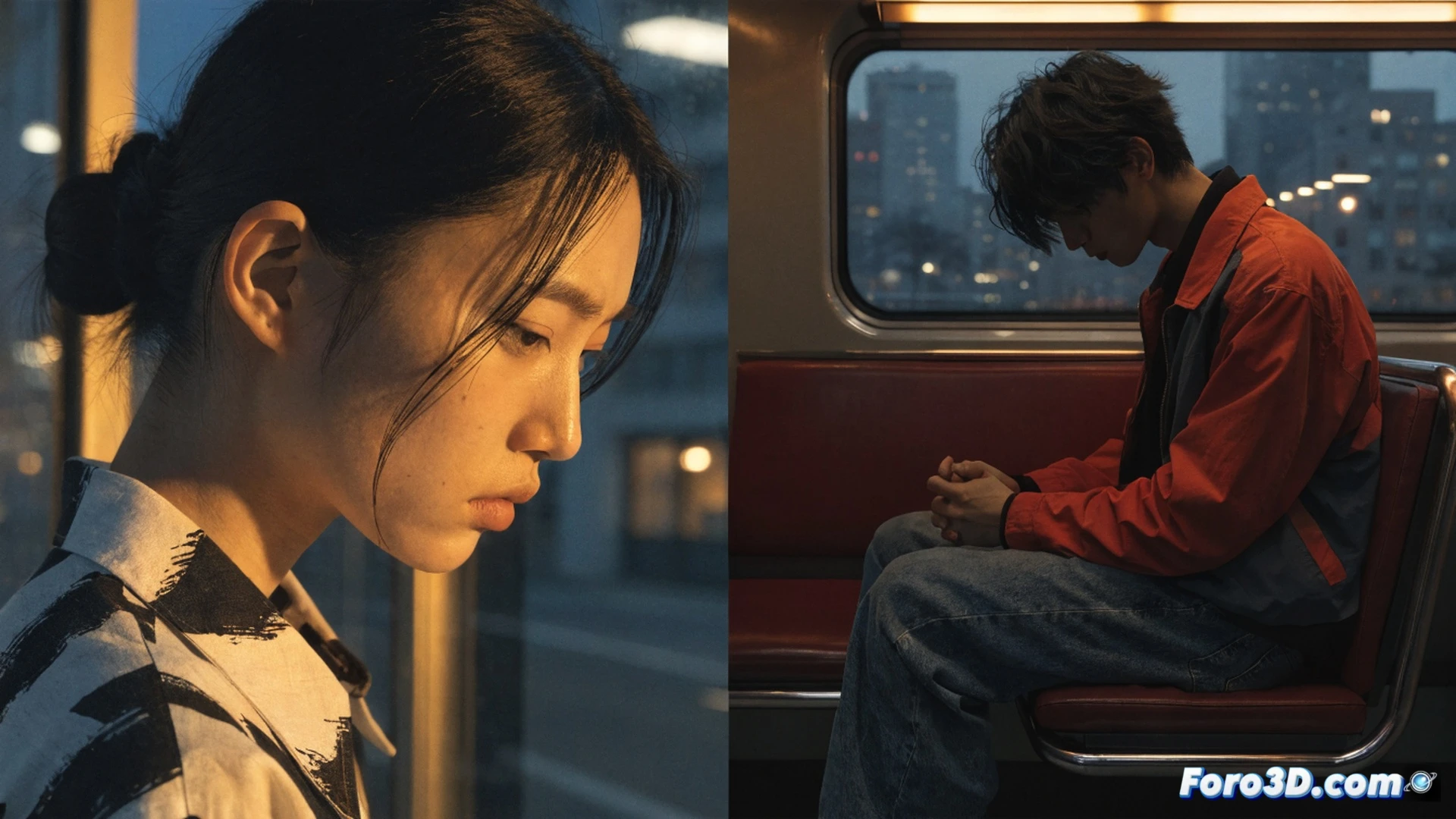
Cinema as an emotional algorithm: how Sode programs fragility 🎬
From a technical point of view, the director uses a fragmented narrative that mimics the logic of digital interactions. Close-ups and prolonged silences function as an emotional barcode, where each pause is a bug in communication. Sode does not resort to visual effects or accelerated montages; her tool is tempo, a rhythm that forces the viewer to process uncertainty. This technical approach recalls editing software that prioritizes voids over fillers, generating an experience that disarms the user from the typical linear narrative. The film is, in essence, an instruction manual for feeling lost.
Premium loneliness: the data plan that doesn't cover the hug 📱
Watching this film makes you wonder if your happiness subscription includes technical support for loneliness. Because, let's be honest, the characters could solve their dramas with a good WhatsApp group or a YouTube tutorial on how to hug without looking like a robot. But no, Yukiko Sode prefers to show us that modern love is like a system update: it always promises to improve the experience, but ends up freezing the screen just when you need it most. In the end, you leave the cinema wanting to sign up for an unlimited data plan for affection, but you know that's not in the offer.