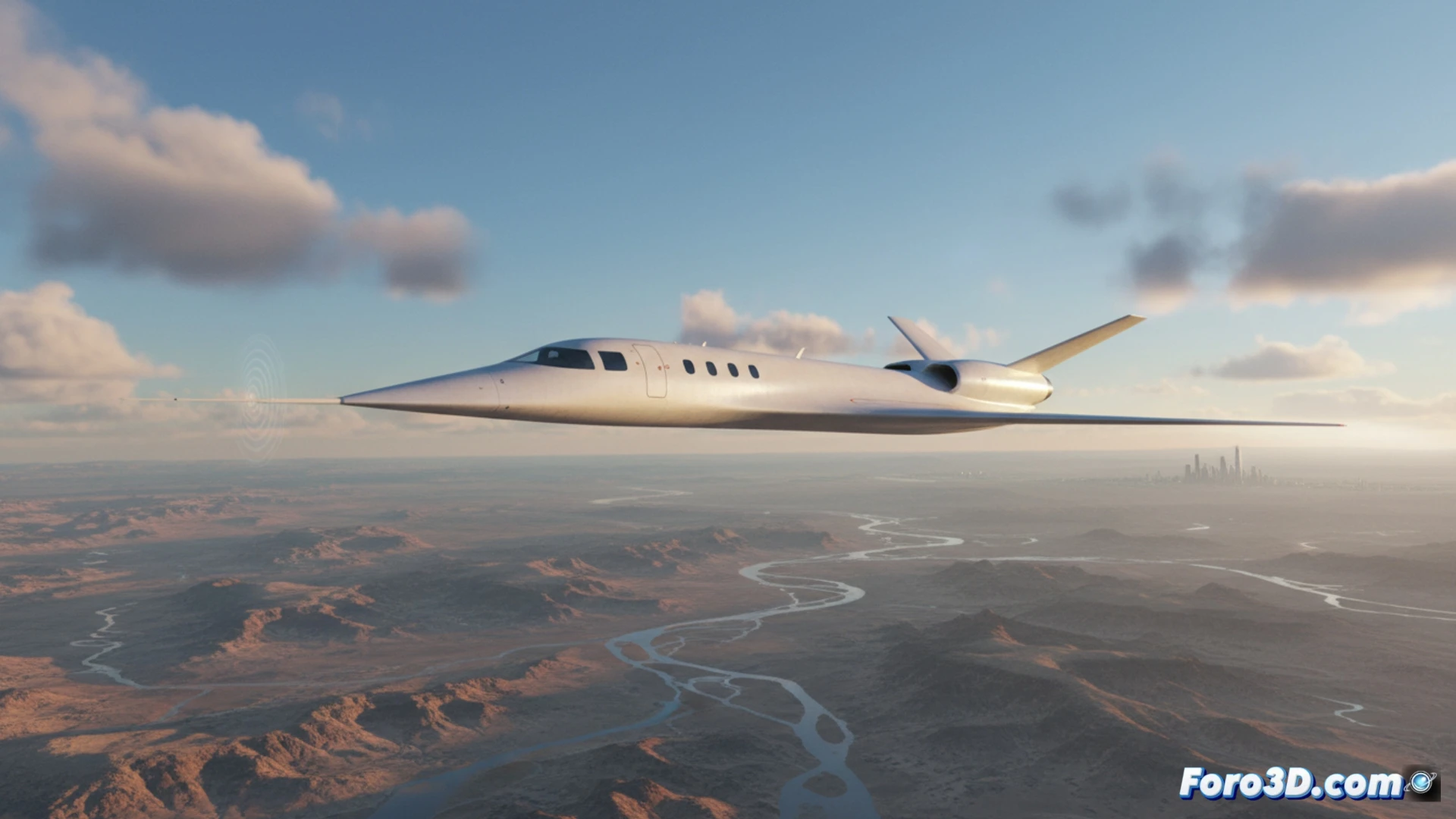
On June 5, 2026, NASA's experimental X-59 aircraft managed to exceed the speed of sound without generating the sonic boom that so bothers the population. This technological milestone brings the possibility of commercial supersonic flights over land closer, reducing neighborhood complaints and opening the door to faster travel without noise pollution.
Silent technology to change the rules of flight ✈️
The elongated fuselage design and the strategic placement of the engine above the wings allow shockwaves to disperse before reaching the ground. NASA now plans to fly over populated areas to collect acoustic data and present evidence to aviation authorities. If the results are favorable, current regulations banning supersonic flights over land could be modified in the coming years.
Happy neighbors, fast planes, and the end of the startle 😌
Imagine arriving from New York to London in three hours without the neighbors next door insulting you upon landing. The X-59 promises supersonic flights that sound like a library whisper, not like a storm thunder. Sure, the ticket will cost an arm and a leg, but at least you'll be able to sleep peacefully during the flight. And those staying on the ground, too.