German Foreign Minister Johann Wadephul is heading to Paraguay for the Mercosur summit, a bloc that has had a free trade agreement with the EU since May. Before that, he will make a stop in Washington to meet with Marco Rubio and address tensions between the US and Iran. For the average citizen, the Mercosur-EU agreement promises to make South American products cheaper, but global geopolitical disputes are jeopardizing economic stability.
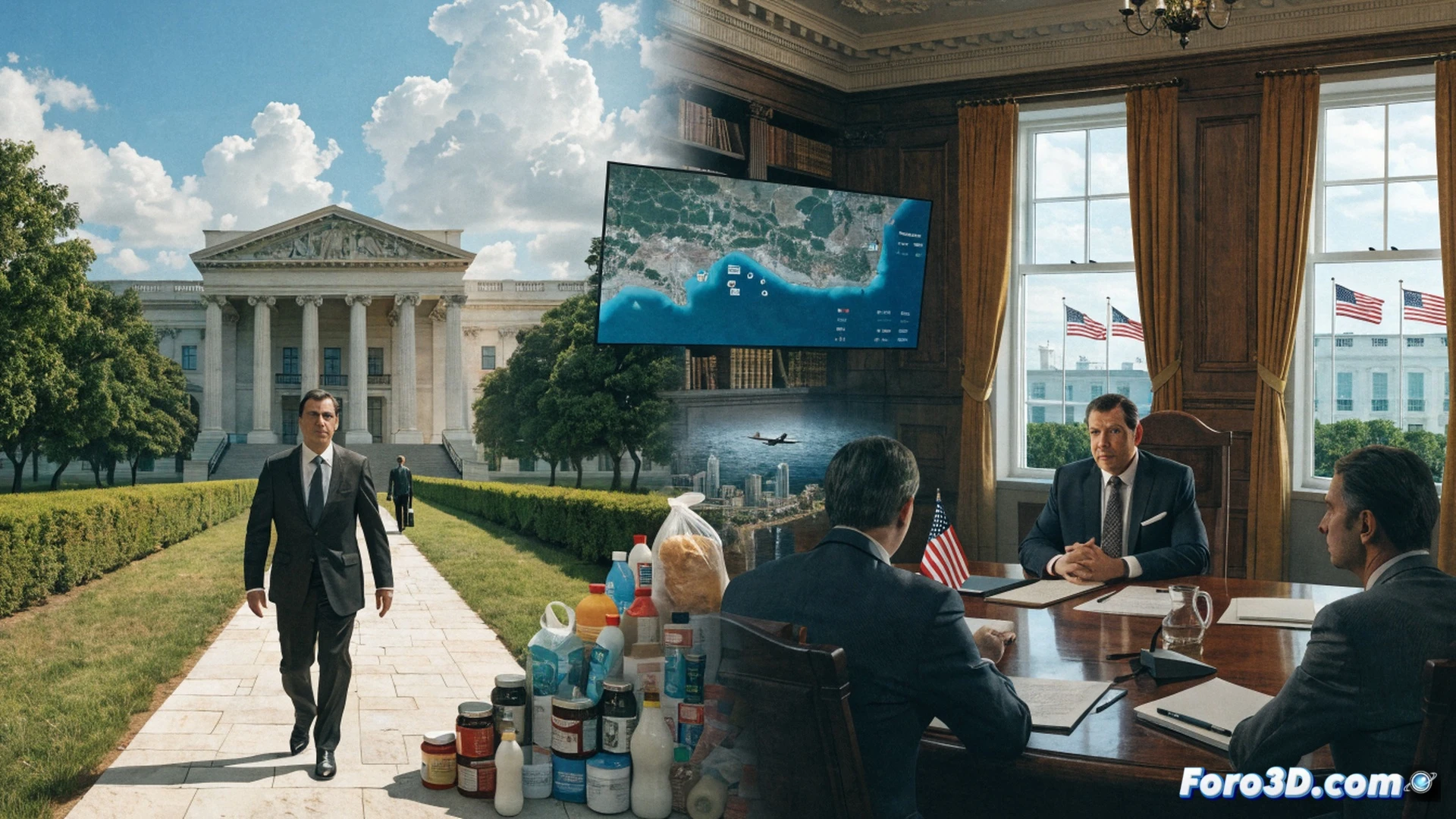
Diplomatic logistics and its impact on the supply chain 🌐
Wadephul's tour illustrates how modern diplomacy must integrate advanced communication technology to coordinate agendas and assess risks in real time. The use of artificial intelligence platforms to model trade and security scenarios allows negotiating teams to anticipate blockages in shipping routes or tariff changes. However, reliance on digital systems also exposes vulnerabilities: a cyberattack on Mercosur's customs databases could delay the implementation of the treaty, affecting the flow of goods.
Germany, the global sheriff handing out smiles and warnings 😎
Wadephul distributes his agenda as if he were a Glovo delivery driver: first, he drops off a package of good intentions in Washington to calm Rubio, and then he lands in Paraguay hoping no one asks him about mate tariffs. Meanwhile, the citizen hopes Argentine parmesan cheese will drop in price, but the only thing dropping is the patience of bureaucrats. In the end, the summit could be summed up in a meme: everyone wants free trade, but no one wants to pay the geopolitical bill.