A descendant of a German Jewish collector persecuted by the Nazi regime is requesting the restitution of the painting Hôpital Saint-Paul à Saint-Rémy-de-Provence, by Vincent van Gogh, currently in the Musée d'Orsay. The Commission for the Compensation of Victims of Spoliation will review the case starting in September. The claim seeks to rectify a historical injustice regarding looted cultural assets.
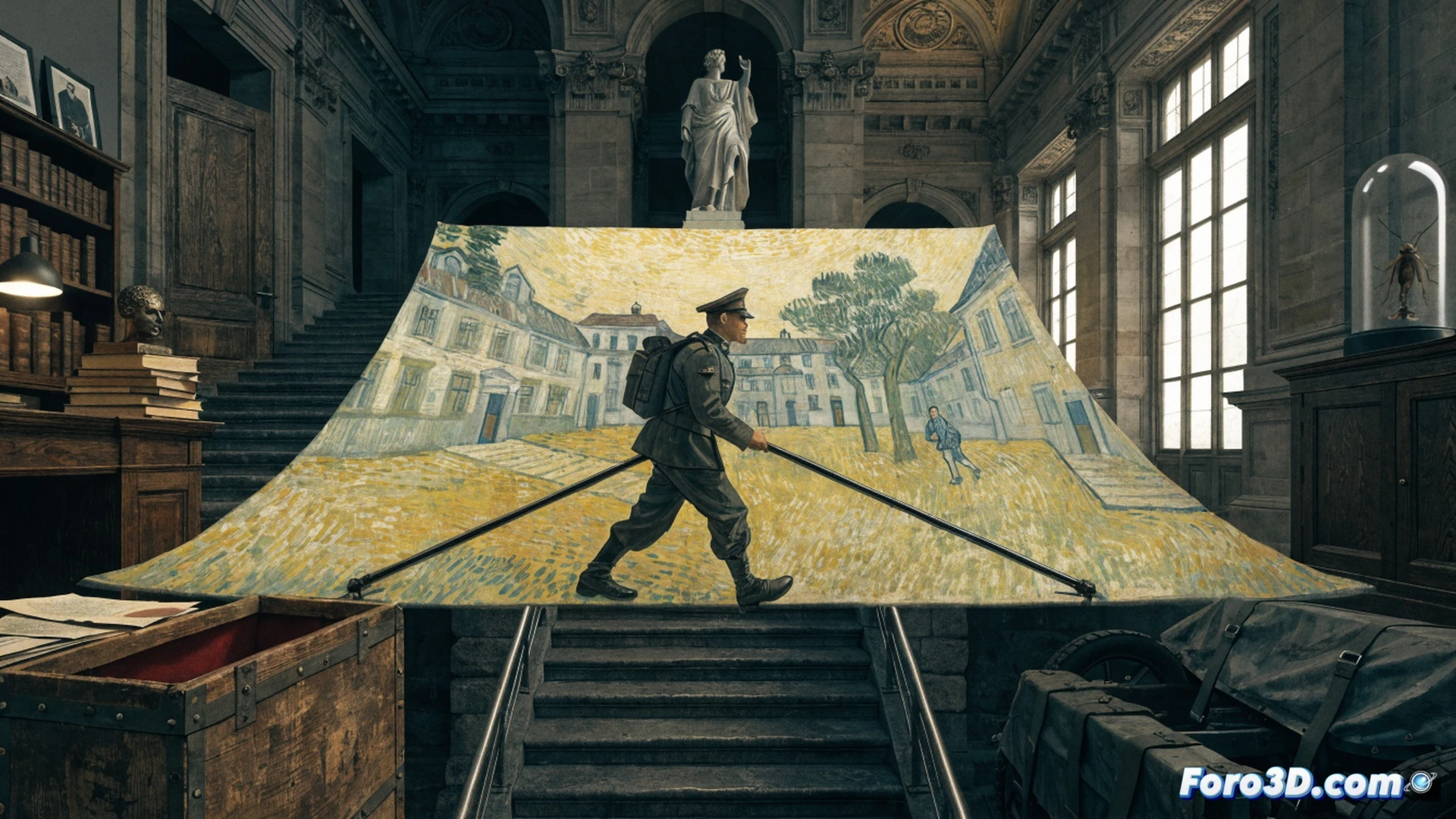
How blockchain technology can track looted artworks 🧾
The use of blockchain allows for the immutable recording of artwork provenance. Each transaction or change of ownership is sealed in a chain of blocks accessible to museums and authorities. This makes it easier to identify cases of historical looting, such as this Van Gogh, by cross-referencing digital records with physical archives from the era. The technology does not resolve the legal conflict, but it brings transparency to the process of verifying inheritances and forced transfers during the war.
The painting has been in France for 80 years, but the heir has WiFi 📡
While the commission studies the paperwork, the descendant has had to prove that his great-great-grandfather did not voluntarily sell the painting for a café au lait. Now, with the internet and a good lawyer, he is claiming what the Nazis took. The museum, meanwhile, is rubbing its hands together: if it loses the painting, it will gain a documentary and an exhibition on restitution. Everyone is happy, except for the collector's ghost, who must be flipping out over the current price of the Van Gogh.