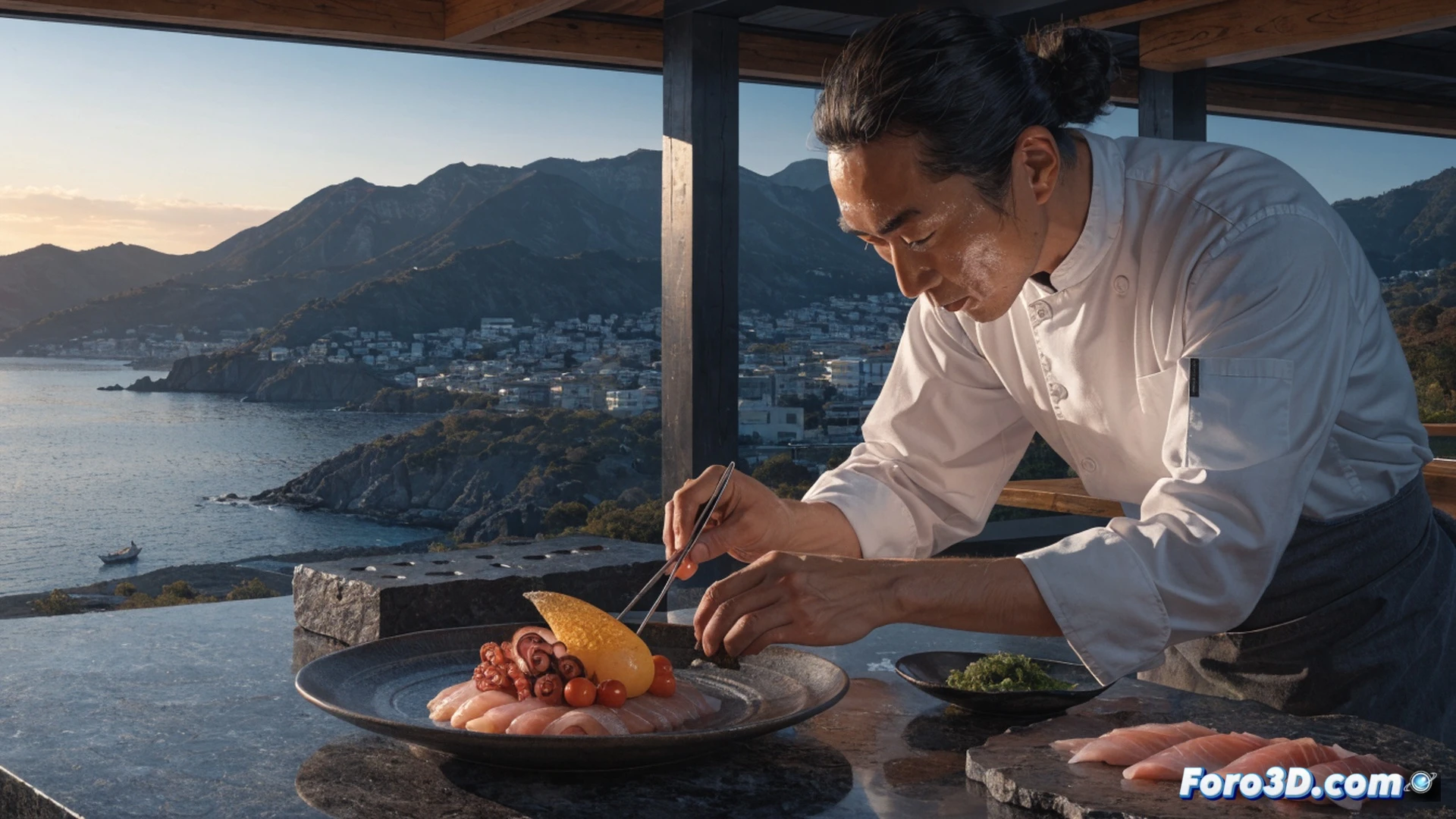
Chef Yasuhiko Uchida left his former life to move to the Osumi Peninsula in southern Kyushu. Fascinated by the quality of ingredients in Kanoya, he opened the restaurant Senti.U, which today serves as a showcase for Kagoshima's gastronomic potential. For locals, this case demonstrates how culinary tourism can revitalize rural economies, creating direct and indirect jobs in areas seeking alternatives to population decline.
The development model: local ingredients as an economic engine 🚜
Uchida's strategy is based on total product traceability. By establishing direct contracts with fishermen and farmers in Kanoya, he eliminates intermediaries and ensures maximum freshness. This not only reduces logistics costs but also generates a steady flow of visitors willing to travel to rural areas. The result is an ecosystem where tourism demand sustains local production, and local production attracts more tourism. A virtuous circle that other Japanese regions are studying to replicate without the need for large infrastructure investments.
When the garden is just two steps from the plate (and the bank) 😄
The funny thing about it is that Uchida didn't come with a rural development plan under his arm. He simply wanted to cook vegetables that hadn't traveled by truck for three days. Unintentionally, he became Kanoya's territorial marketing guru. Now, every time a customer praises the taste of a radish, some local official smiles, thinking about the taxes that tourist will generate. Who would have thought that saving the regional economy would start with not using pesticides.