Research has revealed that the hippocampus, that key brain region for memory, continues to process sounds and language even under the effects of general anesthesia. It detects unexpected tones and anticipates words, all without the person being conscious. This redefines the boundary between what we do and what our brain does on its own.
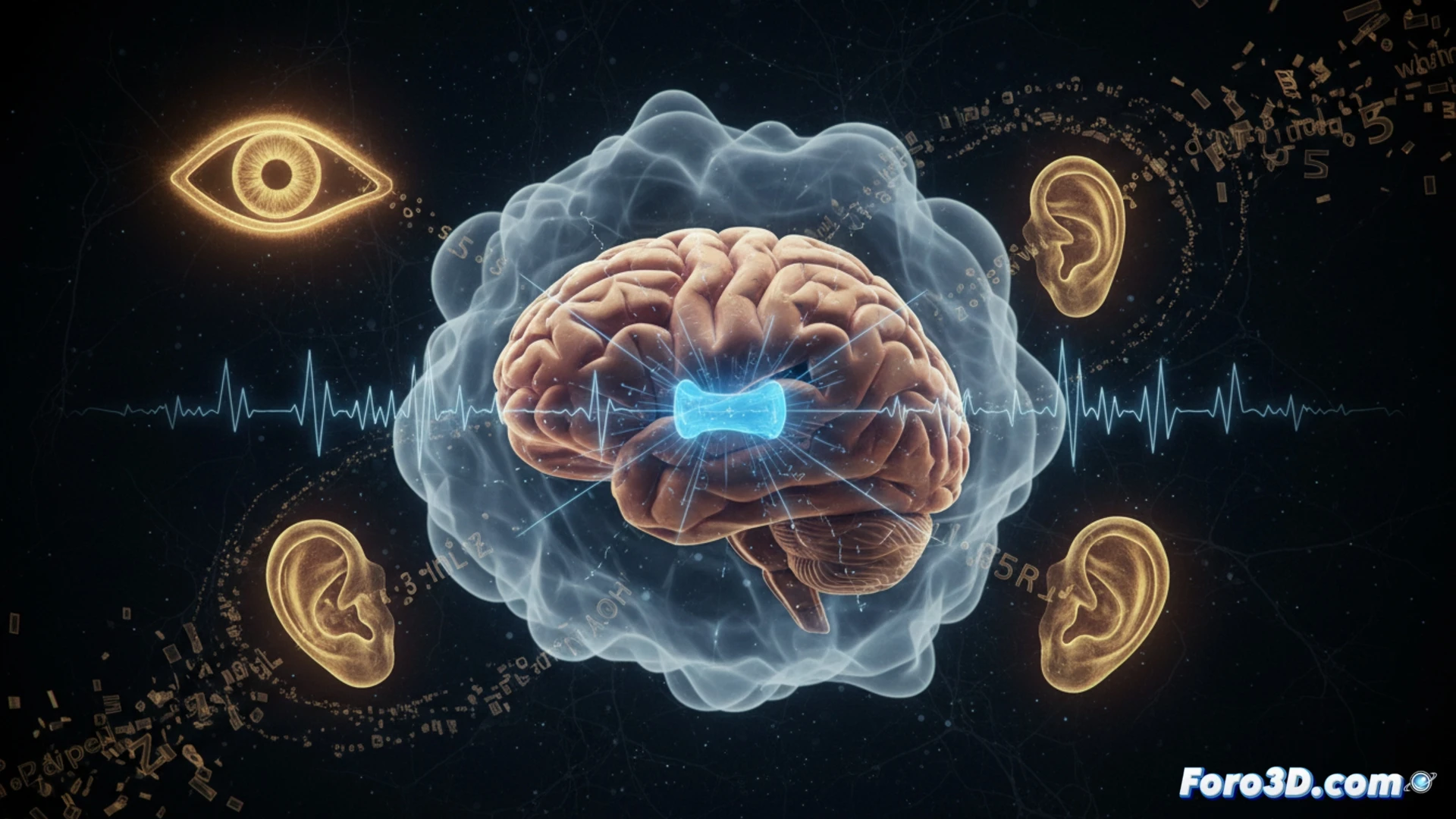
The hidden chip in your skull working in airplane mode 🧠
The study, published in Nature Neuroscience, monitored the activity of anesthetized patients while they listened to sequences of tones and phrases. The hippocampus not only reacted to unexpected sounds but also showed patterns of linguistic anticipation, similar to when we are awake. This suggests that certain advanced cognitive processes operate without the need for consciousness, using automated neural circuits that do not require conscious supervision.
The perfect excuse to not pay attention in meetings 😅
If your hippocampus can process language while you are anesthetized, technically you have no excuse for not remembering what your boss said in that endless meeting. But beware: consciousness was not present, so your memory didn't take any notes. The brain listened, but forgot to let you know. At least now you know that, even if you pretend otherwise, your hippocampus is always on the lookout. Even when you are not.