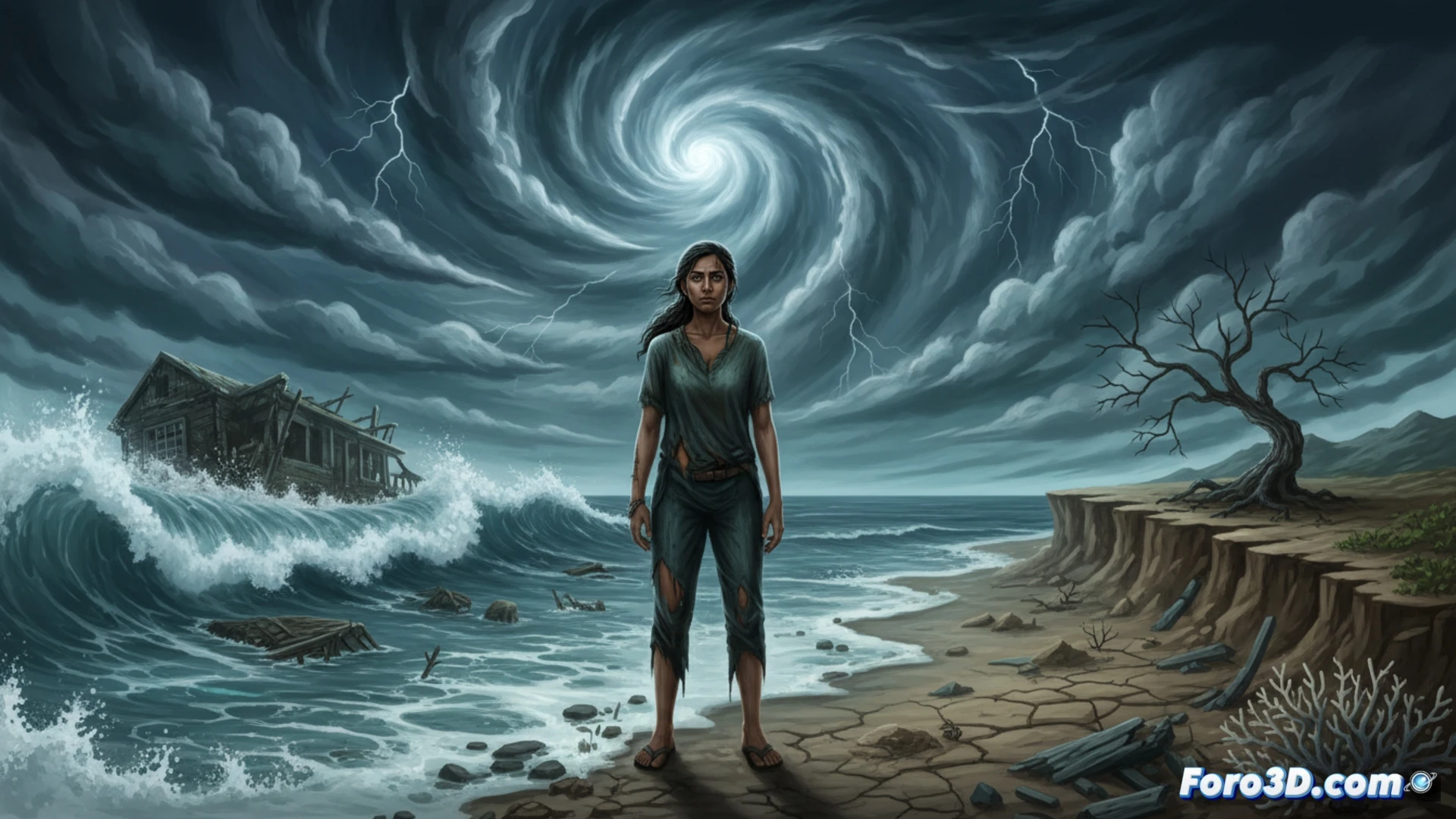
Tara Menon, a professor at Harvard, publishes her first novel Vita Sommersa, which merges personal loss with the ecological crisis. The protagonist, Marissa, survives a tsunami that kills her friend and years later faces another hurricane. Menon criticizes that we only perceive climate change when it is spectacular, ignoring its slow and silent advance.
The climate data technology we still ignore 🌍
While fiction addresses human drama, science has been recording the gradual increase in temperatures and extreme events for decades. Satellites, ocean buoys, and predictive models generate precise data, but collective action does not advance at the same pace. Menon points out that the crisis does not wait for us to like its headlines; algorithms and sensors already warn us, but the political response remains as slow as polar ice melt.
Climate change: a slow drama that doesn't sell tickets 🎭
Apparently, a tsunami is a good narrative hook, but a two-millimeter annual sea-level rise does not make for a Netflix series. Menon reminds us that the planet does not need a spectacular script to collapse. Meanwhile, we keep waiting for the next big disaster to remember we should have done something yesterday. Ironic, living in slow motion toward disaster.