Trump's national security strategy, published in December 2025, has lost momentum in the last six months. According to a Le Monde columnist, his threats to Iran proved more effective as a deterrent than displays of real power. For citizens, this means the president's international decisions can alter global stability, affecting both the economy and everyday security. The lesson is clear: preventive diplomacy works better than aggressive gestures.
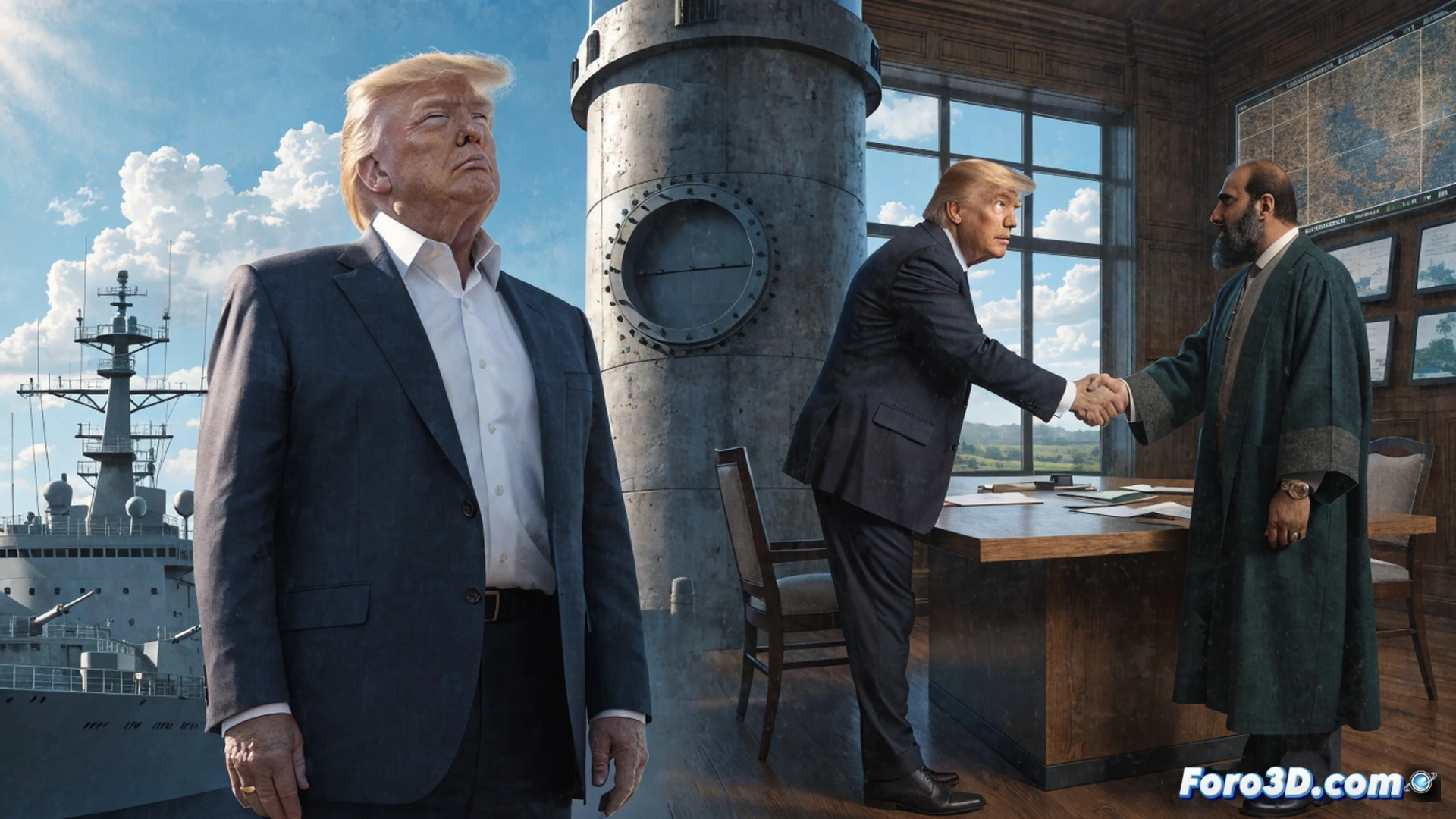
The technological factor: satellites and cybersecurity in the new geopolitics 🛰️
The weakness of Trump's strategy is reflected in the technological realm. While his military gestures escalated, global cybersecurity suffered a 30% increase in attacks on critical infrastructure, according to data from the World Economic Forum. Surveillance satellites, which were meant to support deterrence, showed limitations in their inability to predict the Iranian response. Technology, far from being a shield, evidenced that brute force without diplomacy is like a firewall without patches: noisy but ineffective.
When threatening is cheaper than shooting (and more effective) 🃏
It turns out the Trump Administration discovered what any poker player knows: sometimes, bluffing wins more than showing your cards. Threatening Iran from a distance proved more deterrent than moving aircraft carriers, which only served to increase the price of oil and investor anxiety. Next time, perhaps they'll send a grumpy tweet and save on fuel. After all, world peace has never been so cheap.