The discussion about whether voters should have access to candidates' complete records, including their prior citizenship, is not a whim. In a functioning democracy, information is the foundation of an informed vote. Hiding relevant data undermines public trust and the electoral process itself. The question is not whether we can know it, but why some resist showing it.
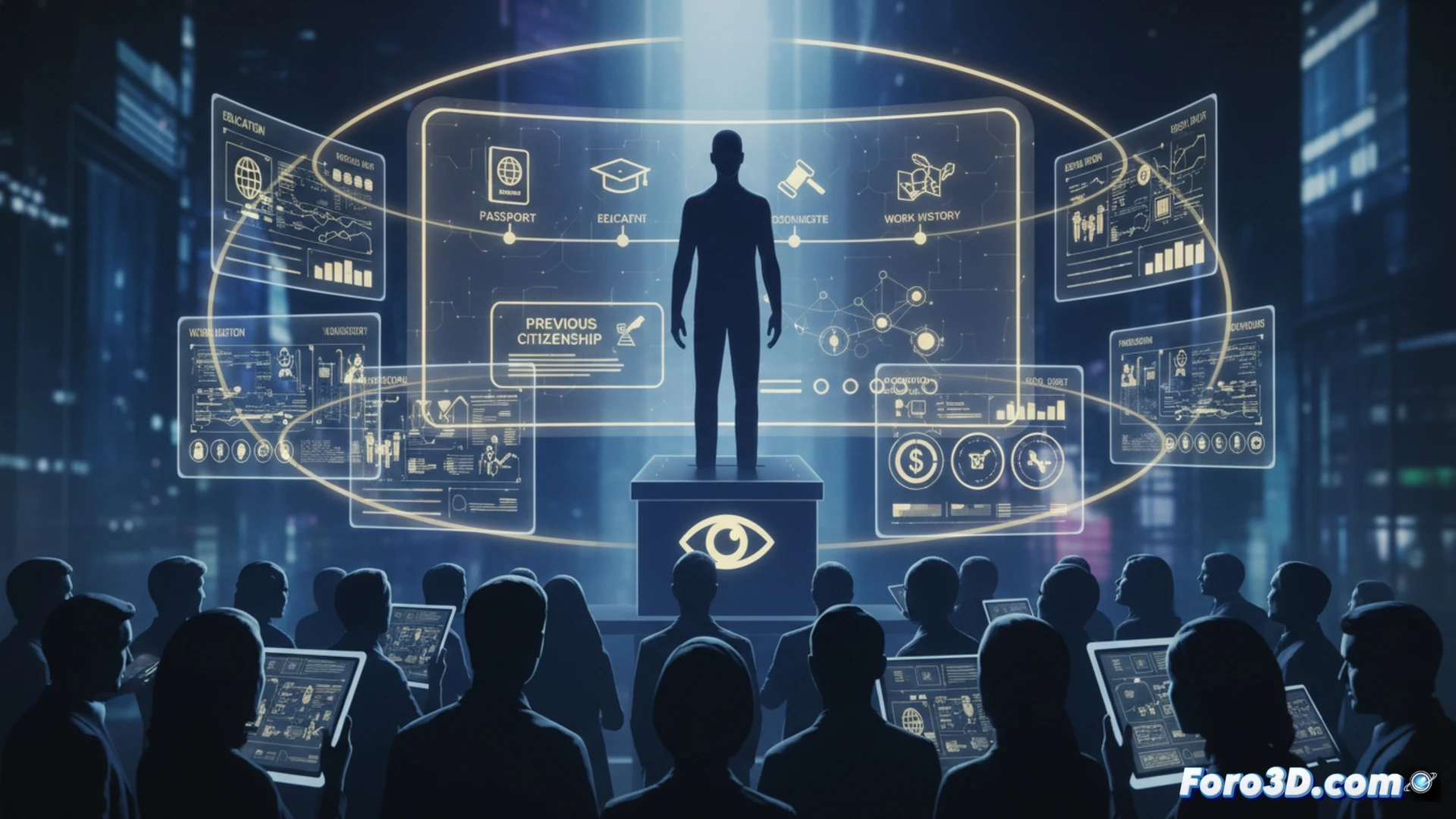
Open data: the system that should audit politicians 🗳️
From a technological development standpoint, implementing open data platforms to verify a candidate's record is feasible. A centralized system with access to citizenship records, criminal and financial backgrounds, using secure APIs and blockchain for data integrity, would allow any voter to consult the information in real time. The technology exists; what is lacking is the political will to apply it and standardize formats across institutions.
The mysterious candidate: the new campaign character 🎭
It seems some politicians aspire to be like those video game characters you only unlock if you find all the hidden collectibles. But this is not a role-playing game; it's an election. If a candidate refuses to show their past, perhaps they should wear a sign that says: Guess who I am. In the end, the voter is not asking for a CIA report, just a clear PDF. Is that too much to ask?