Amsterdam Schiphol Airport has launched an electric robot called TaxiBot that tows aircraft with engines off from the gate to the runway. According to official data, each flight saves 95 kg of fuel and 299 kg of CO₂. The news has been sold as a major ecological breakthrough, but it is worth reviewing the figures calmly.
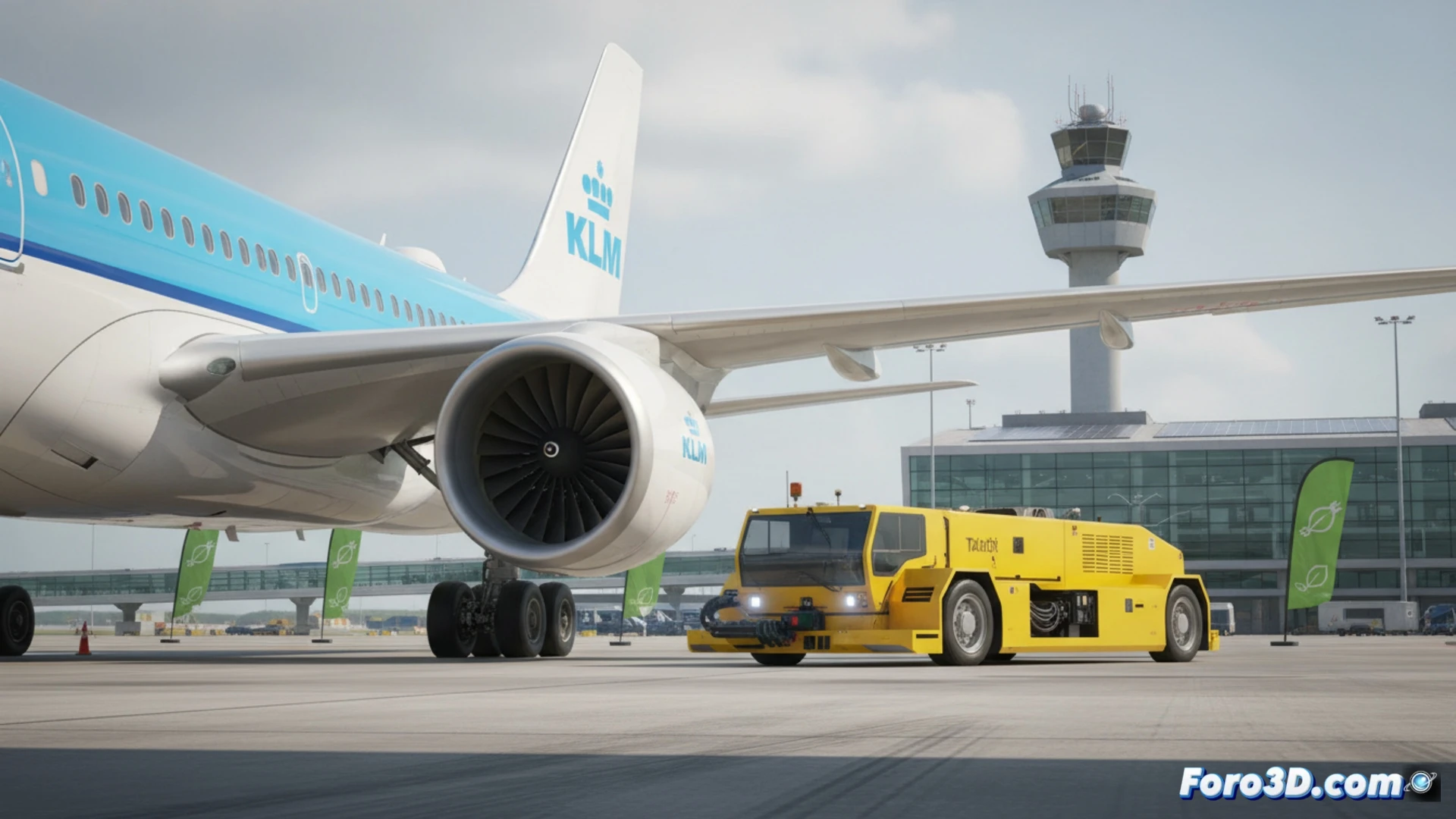
Figures that hide a fundamental problem 🔍
A commercial flight burns between 2 and 5 tons of fuel just during takeoff and cruise. The TaxiBot savings represent less than 3% of total consumption. Furthermore, this lithium and steel robot requires manufacturing, transport, and recycling, processes that generate additional emissions. Its purchase and maintenance cost, around one million euros per unit, will be directly passed on to tickets or airport fees. The industry avoids more effective measures such as direct flights or renewing old fleets.
Paying more so the plane pollutes the same 💸
So the citizen pays extra for a robot that pushes the plane 200 meters, while the aircraft continues spewing tons of CO₂ into the air. It is like putting a water filter on the faucet of a sinking ship. The move is perfect: the airline makes the green headlines, the passenger foots the bill, and the planet remains exactly the same. Good thing marketing is free, or almost.