The cybercriminal group TA4922, linked to China, has expanded its phishing campaigns to the United Kingdom, Germany, Italy, and South Africa. This action increases the risk of personal and banking data theft for citizens in these countries. The techniques employed seek to deceive users into gaining access to sensitive information, posing a direct threat to financial security and privacy in the region.
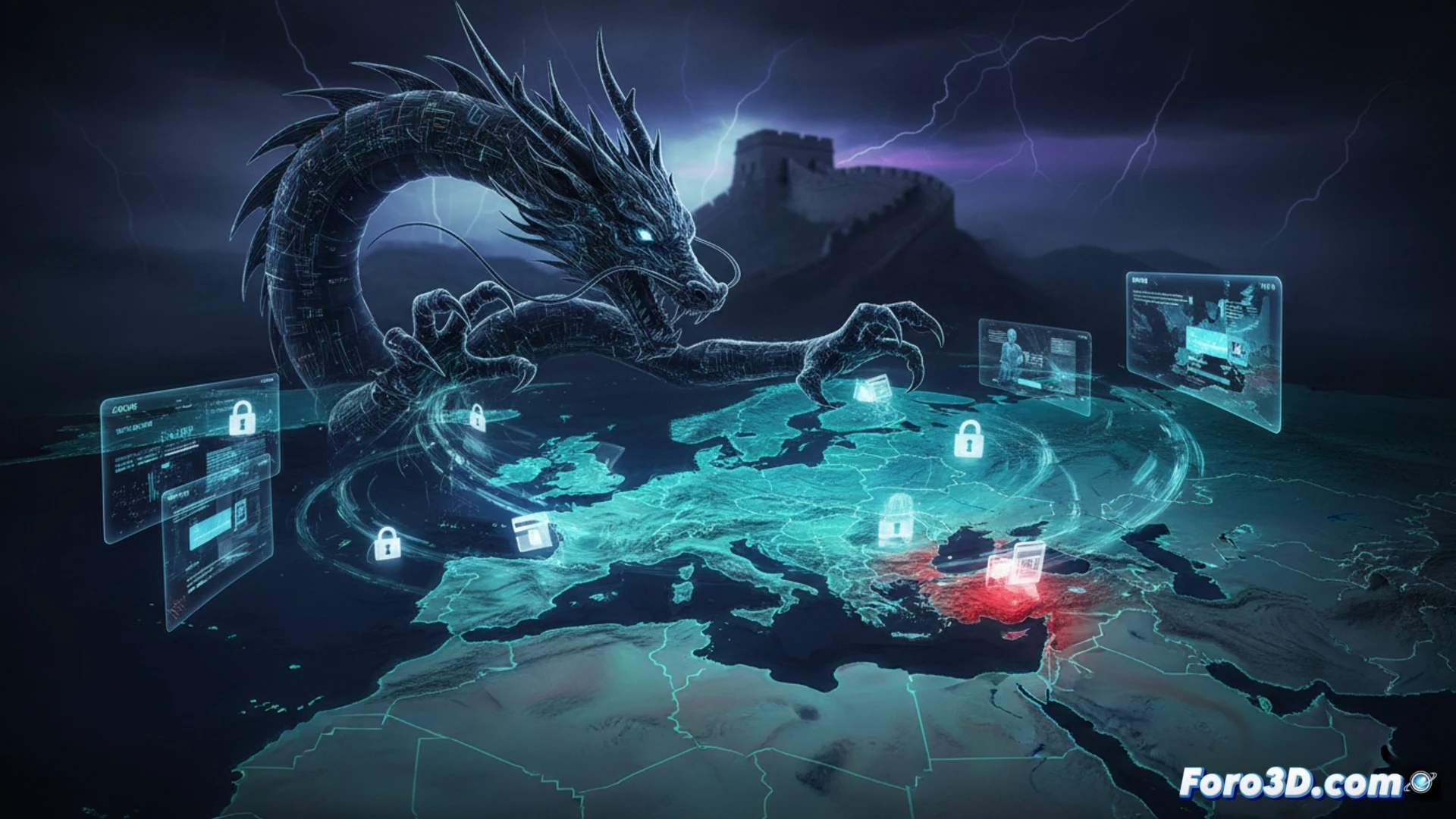
Infection Techniques and Attack Vectors 🛡️
TA4922 uses emails with malicious attachments and links to fraudulent sites that mimic legitimate services. Attackers exploit vulnerabilities in email clients and browsers to deploy payloads. Once inside the system, scripts steal credentials and session cookies. The sophistication lies in the use of fake SSL certificates and domains that replicate banking interfaces, making detection difficult for the average user without advanced security tools.
Phishing is no longer just for heirs of princes 😅
It seems TA4922 has grown tired of the classic Nigerian prince emails and now prefers to impersonate your local bank. The good news is that if you fall for it, at least you can boast about being the victim of an international attack. The bad news is that your checking account has no sense of humor. So, before clicking on that link from your institution, remember: if the bank asks for your password, it's not to lend you money.