A US supercomputer dedicated to simulating nuclear explosions will integrate chips from Cornelis, a company spun off from Intel. These components optimize communication between equipment by selecting faster data routes, reducing network bottlenecks. For the average citizen, this advancement means that network technology continues to evolve to make critical systems like national security more efficient. Chip innovation aims to improve the speed and reliability of essential services.
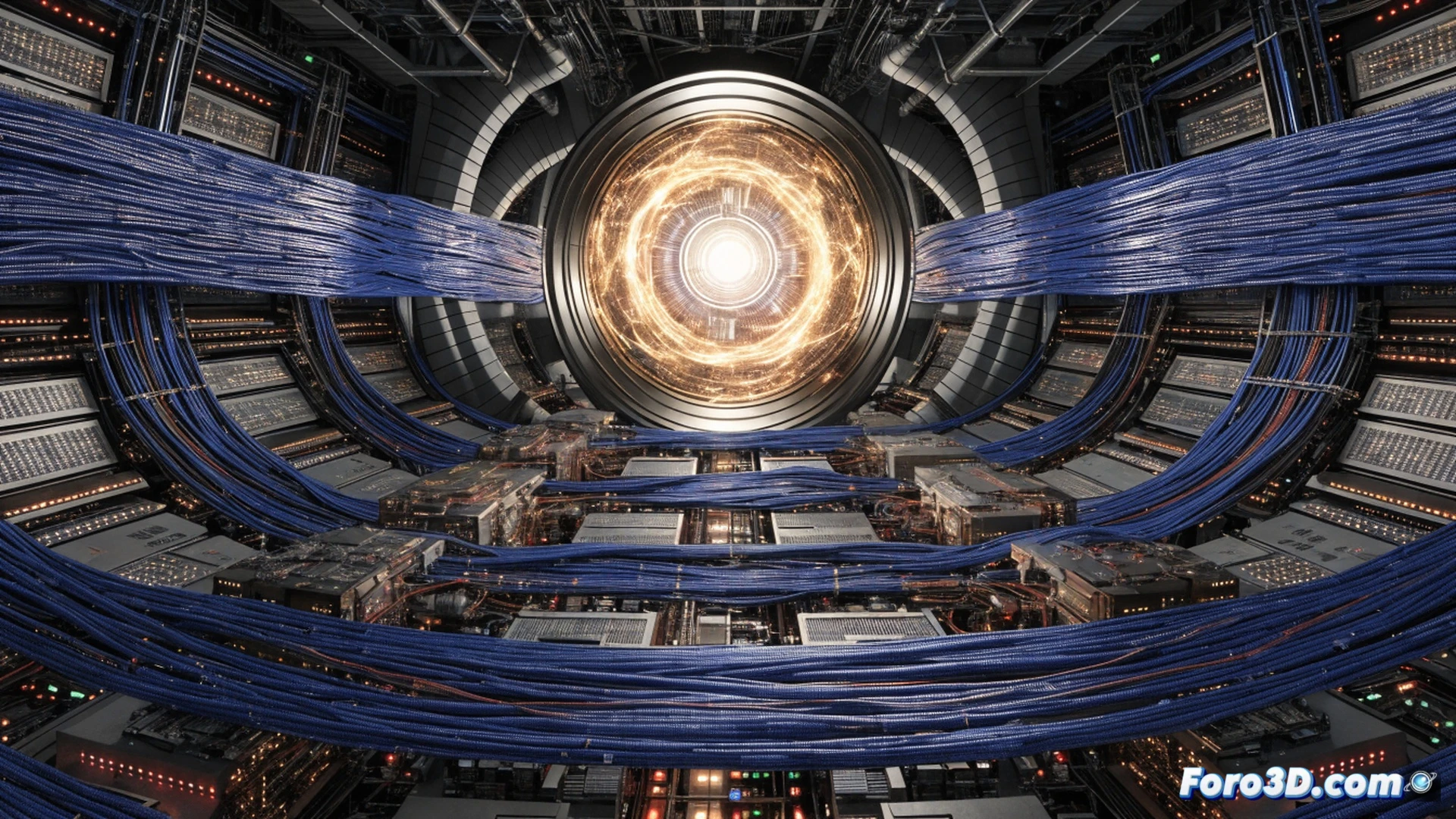
How Cornelis chips prevent chaos on data highways 🚀
The problem of connecting thousands of nodes in a supercomputer is similar to managing a highway without tolls: traffic builds up and everything slows down. Cornelis has designed chips that act as smart navigators, diverting information packets through less congested channels. This allows the system dedicated to nuclear simulations to process massive data without interruptions. The technology is based on a more agile switching architecture, which relies not on additional cables but on real-time algorithmic decisions. For the defense sector, this capability is a leap in efficiency.
When even nuclear bombs need a better WiFi signal 💥
It seems that even simulations of atomic explosions suffer from network problems that any mortal knows: the signal cuts out just when you need it most. Now, thanks to Cornelis, scientists will be able to avoid that annoying buffering while deciding whether a chain reaction works or not. Who would have thought that the technology to save the country depended on something as mundane as choosing the right data route, like when we fight for the least congested channel on the home router. At least this time, the jam doesn't end in a real bomb.