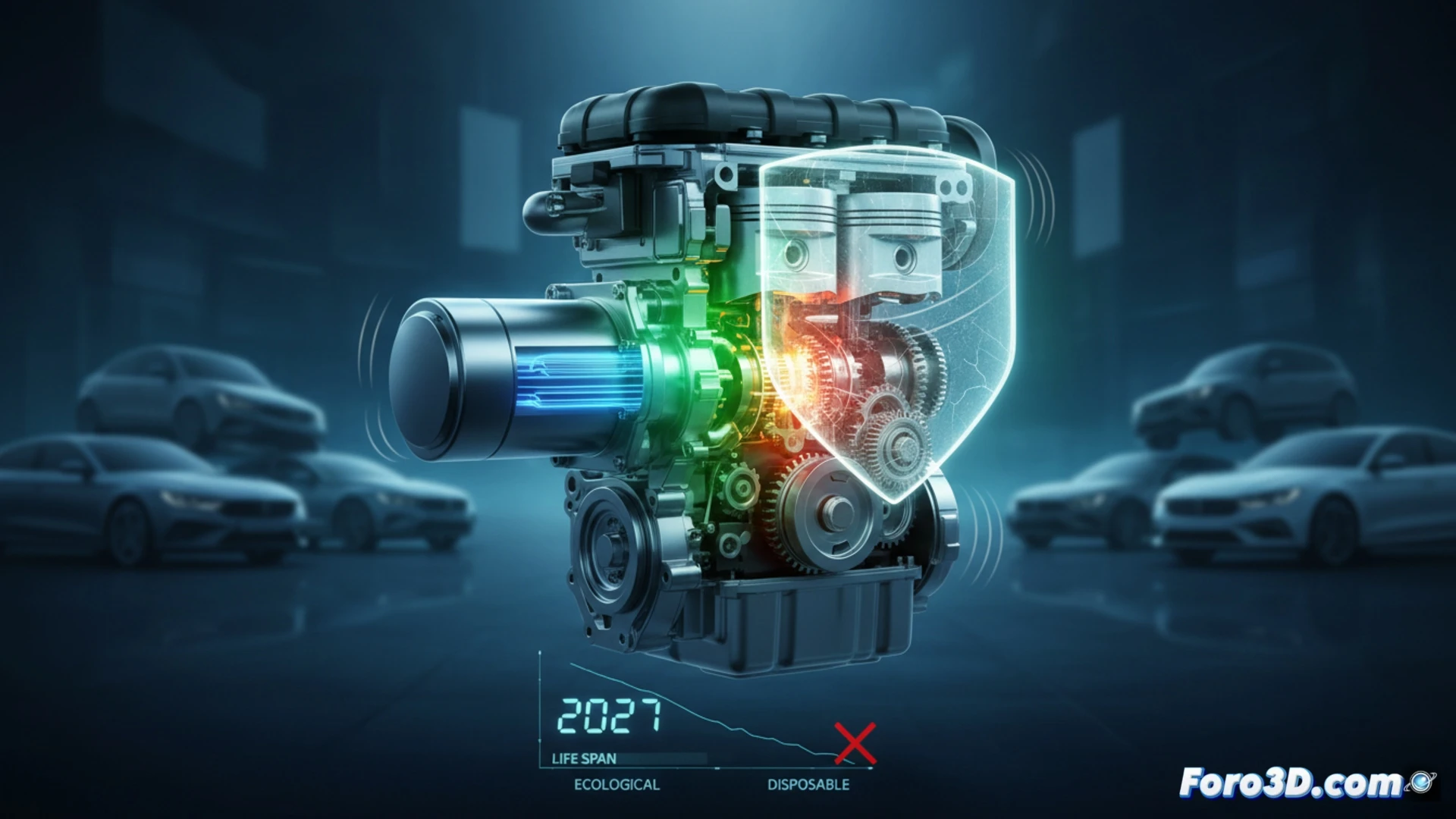
Stellantis is preparing a 1.2-liter three-cylinder hybrid engine with 170 horsepower and a six-speed automatic transmission for 2027. The brand presents it as the ecological replacement for diesel engines in European sedans and SUVs. However, this small engine hides a less pleasant reality: greater wear, more vibrations, and a reduced lifespan that forces more frequent car changes.
The mechanics of the three-cylinder: less displacement, more problems 🔧
Technically, a three-cylinder engine suffers from an inherent imbalance that generates vibrations and premature fatigue in components such as the crankshaft and connecting rods. Stellantis pairs it with a mild hybrid system to meet regulations, but not to lower real-world fuel consumption. In tests, this powertrain consumes almost as much as a modern diesel. The elimination of diesel is not due to an environmental crusade, but to avoid penalties without investing in affordable electric vehicles for the public.
The green trick: paying more for an engine that shakes like jelly 😬
They call it innovation, but it sounds like a sweet deal. Stellantis sells us an engine that vibrates more than a washing machine on spin cycle and that, according to workshops, will require new parts sooner than expected. The public foots the bill: more visits to the mechanic and less reliability, while the industry smiles with the excuse of saving the planet. Good thing it's hybrid, at least the engine noise is camouflaged by the sound of the wallet crying.