Forensic photography is the backbone of crime scene documentation, but its validity depends on the integrity of the chain of custody and the accuracy of metadata. However, digital timestamp manipulation is a real threat. Shadow synchronization offers a scientific method to verify the exact time of capture by analyzing the direction and length of shadows cast on known objects within the scene, transforming a 2D image into irrefutable temporal evidence.
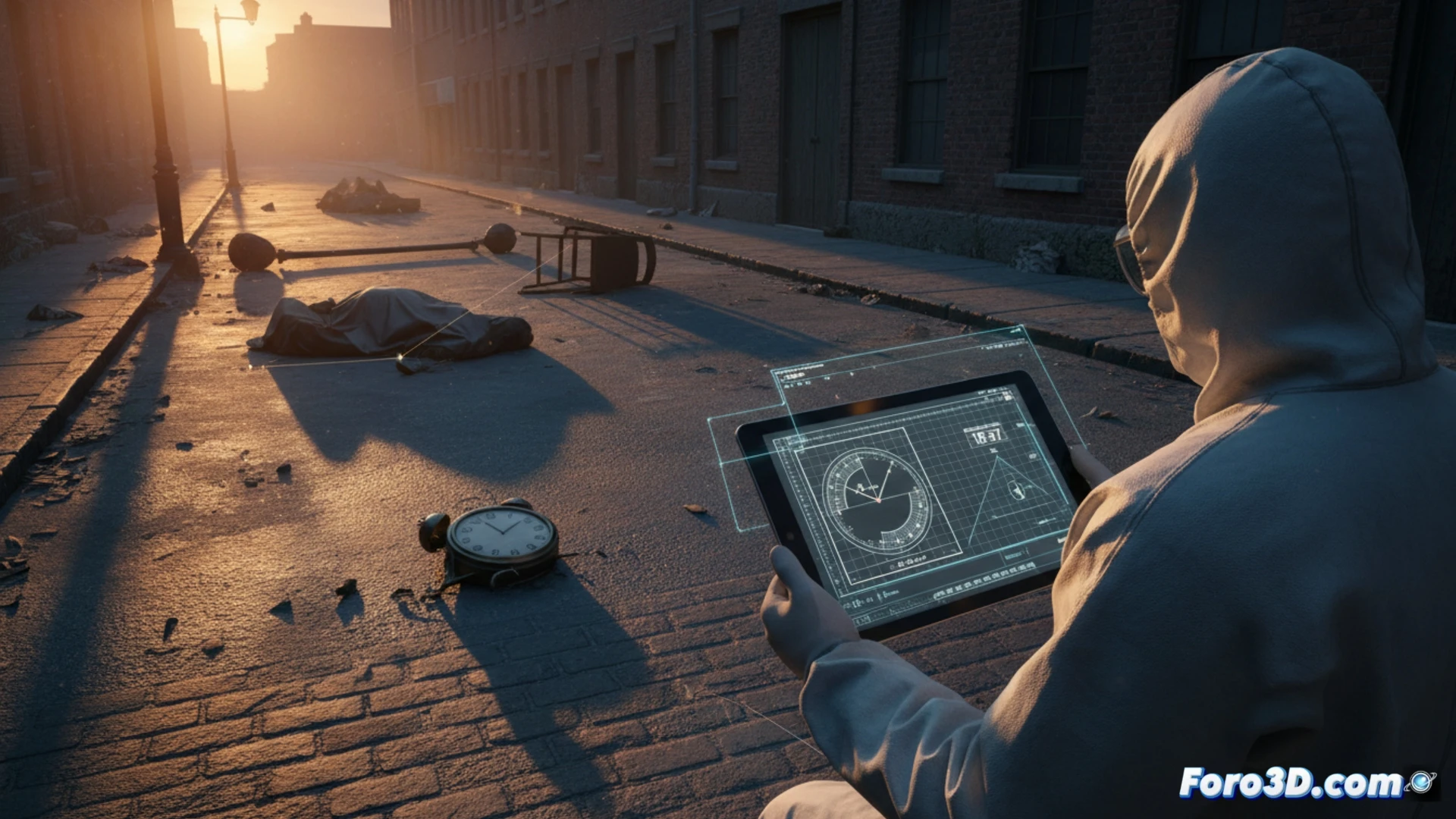
Photogrammetry, solar simulation, and evidence validation 🕵️
The process begins with 3D scene reconstruction using photogrammetry (software such as Agisoft Metashape or RealityCapture). From this model, objects with clear shadows and fixed reference points (poles, building corners) are identified. Then, a questioned image is introduced into lighting simulation software (such as Blender with its Cycles engine or SunStudy in SketchUp). The virtual sun is positioned at a hypothetical time and date, and the generated shadow is compared with the real shadow in the photo. The process is iterated until they match exactly, revealing the capture time with minute-level precision, crucial for discrediting alibis or detecting photomontages.
The future of visual verification in the forensic pipeline 🔬
This technique is not infallible; it requires known weather conditions and an accurate 3D model. However, its integration into the modern forensic pipeline represents a qualitative leap. By turning ambient light into a mathematical witness, experts can present visual evidence with solid scientific backing in court. Shadow synchronization demonstrates that, in the digital age, even an object's shadow can be the key to solving a case.
How can the analysis of shadow orientation and length in a forensic photograph serve as an independent tool to verify the exact time of capture and detect potential temporal manipulations in digital evidence?
(PS: In the forensic pipeline, the most important thing is not to mix the evidence with the reference models... or you'll end up with a ghost at the scene.)