A magnitude 5.5 earthquake shook the Tokyo metropolitan area this morning, with its epicenter located in Ibaraki Prefecture. Authorities confirmed there is no risk of a tsunami, ruling out a mass evacuation. However, isolated power outages are reported in some areas, along with possible minor damage to infrastructure. Citizens are urged to remain calm and keep their emergency plan handy in case of aftershocks.
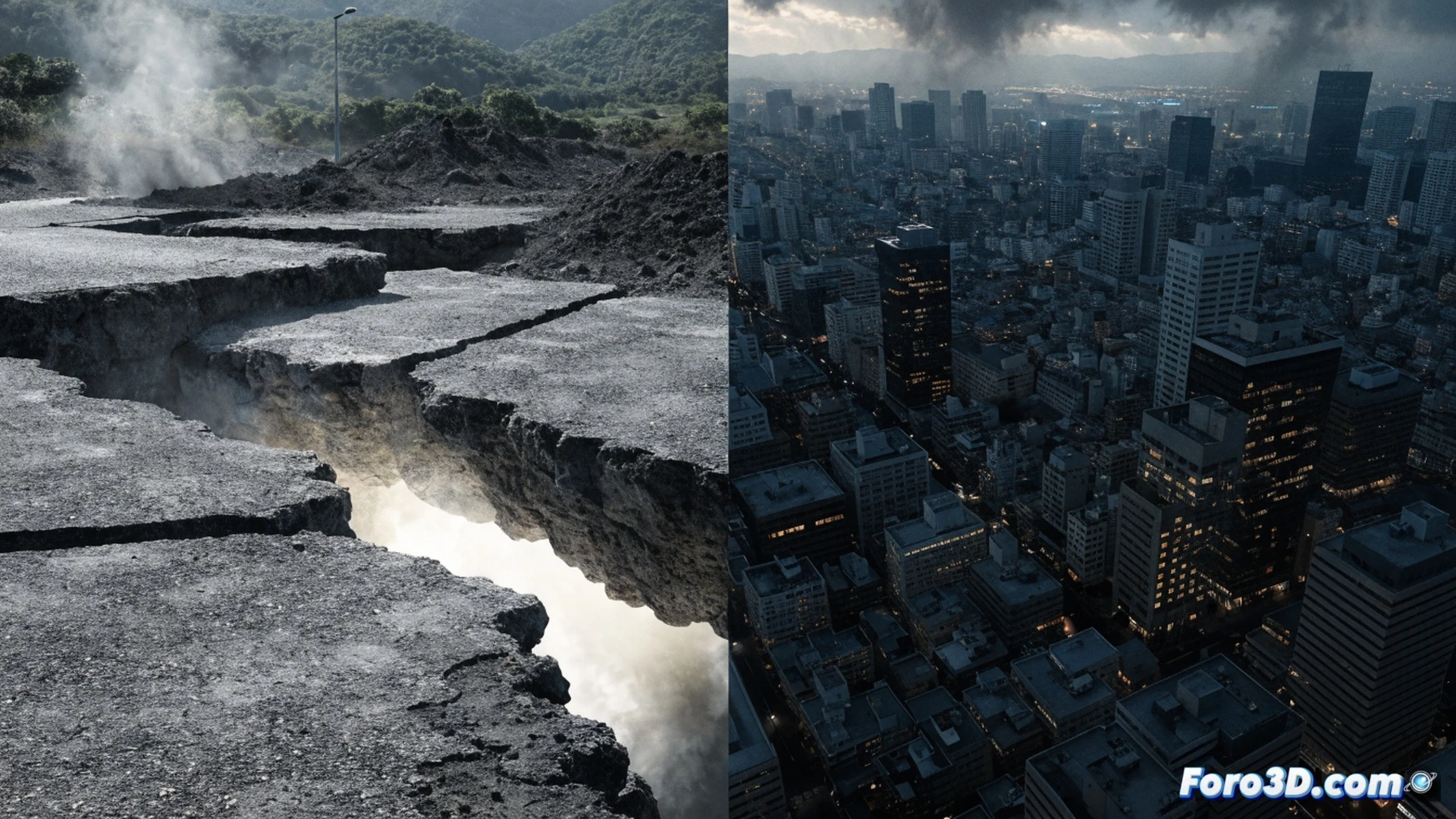
How seismic technology anticipates damage to urban structures 🌐
Japan's early warning systems detected the primary wave seconds before the main shock, triggering automatic shutdowns of high-speed trains and elevators. Acceleration sensors in modern buildings recorded displacements within safe parameters, although older structures on the outskirts of Tokyo require inspection. Seismic monitoring networks, with over a thousand stations, allow real-time intensity calculations, optimizing emergency service response.
The earthquake that didn't knock down my shelf but did spill my coffee ☕
While experts analyze seismic data, the average citizen is only thinking about two things: whether the router is still working and why the cat has already hidden under the sofa. Although the tremor was strong enough to knock over a couple of coffee cups, most experienced it as that uncomfortable reminder that, despite technology, nature still moves the ground beneath us. Literally. At least there was no tsunami; the wifi is grateful.