The recent reported failure in an artificial pancreas has put the biomedical community on alert. This device, designed to automate insulin administration, relies on a complex integration of sensors, algorithms, and pumps. Three-dimensional modeling offers a critical solution for anticipating these failures, allowing engineers to virtually recreate the organ and its environment before any clinical testing.
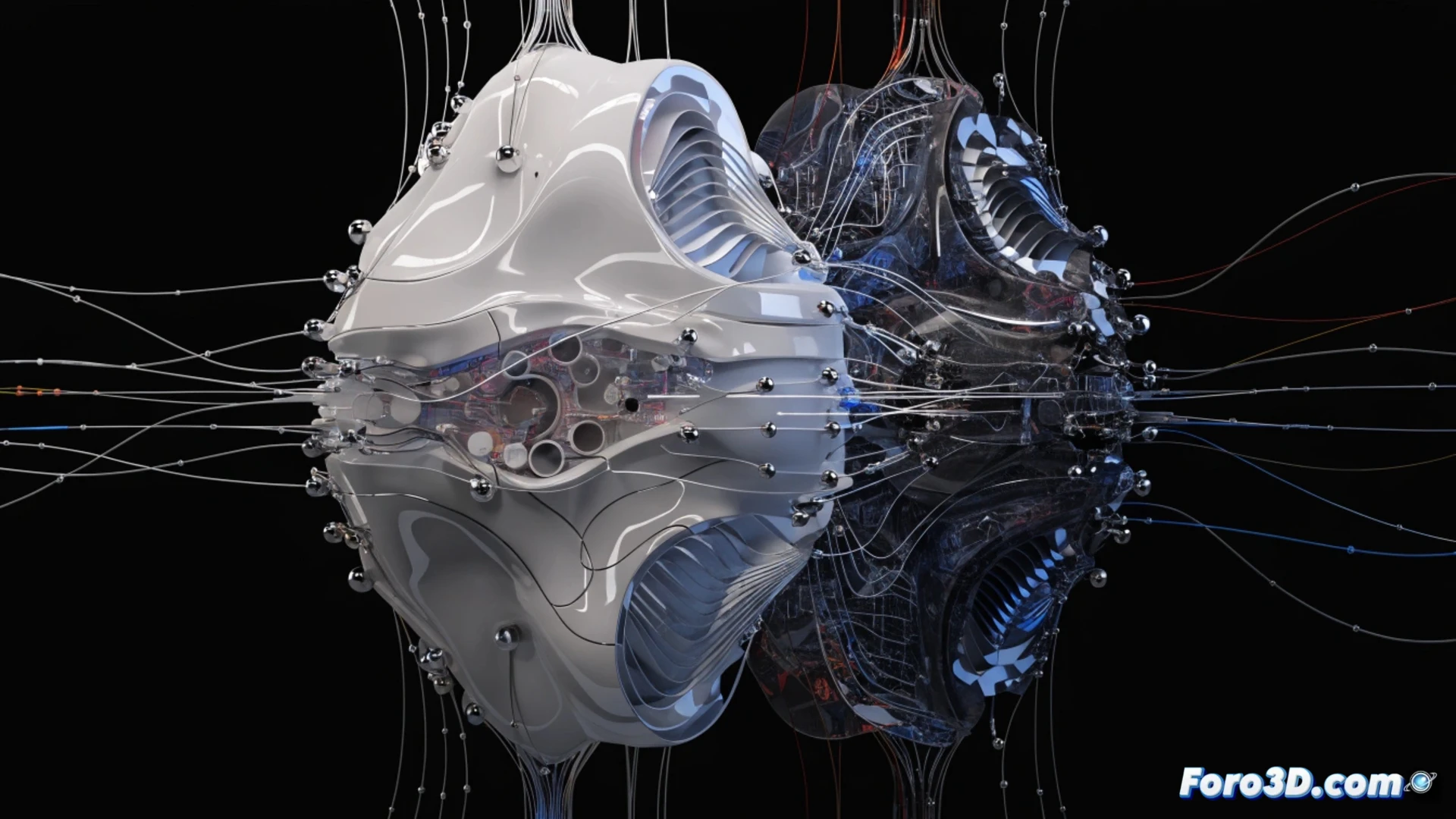
Anatomical modeling and flow simulation 🧬
To analyze the failure, specialists reconstruct the patient's abdominal cavity and pancreas in 3D from CT scans. On this basis, the model of the artificial device is incorporated: an insulin pump and a glucose sensor. Using computational fluid dynamics (CFD), the diffusion of insulin into the tissue and the sensor's response time are simulated. This virtual representation allows detecting points of catheter obstruction or reading delays that could trigger severe hypoglycemia.
Lessons for the design of smart prosthetics ⚙️
Every failure in an artificial pancreas is an opportunity to refine control algorithms. 3D simulation not only replicates the error but also allows testing corrections without risk to the patient. Integrating these models into the design phase drastically reduces physical prototyping cycles and accelerates the arrival of safer devices. 3D biomedicine thus consolidates itself as the indispensable virtual laboratory for the next generation of artificial organs.
How can 3D simulation predict and prevent critical failure points in artificial pancreas systems before their clinical implantation?
(PS: and if the printed organ doesn't beat, you can always add a little motor... just kidding!)