Urban reflectance glare is a phenomenon that affects road safety and visual comfort in cities. Glass buildings, metal facades, and reflective pavements can create blind spots or visual fatigue for drivers and pedestrians. Three-dimensional modeling allows anticipating these effects through precise simulation of the interaction between sunlight and construction materials, offering a key tool for sustainable urban design.
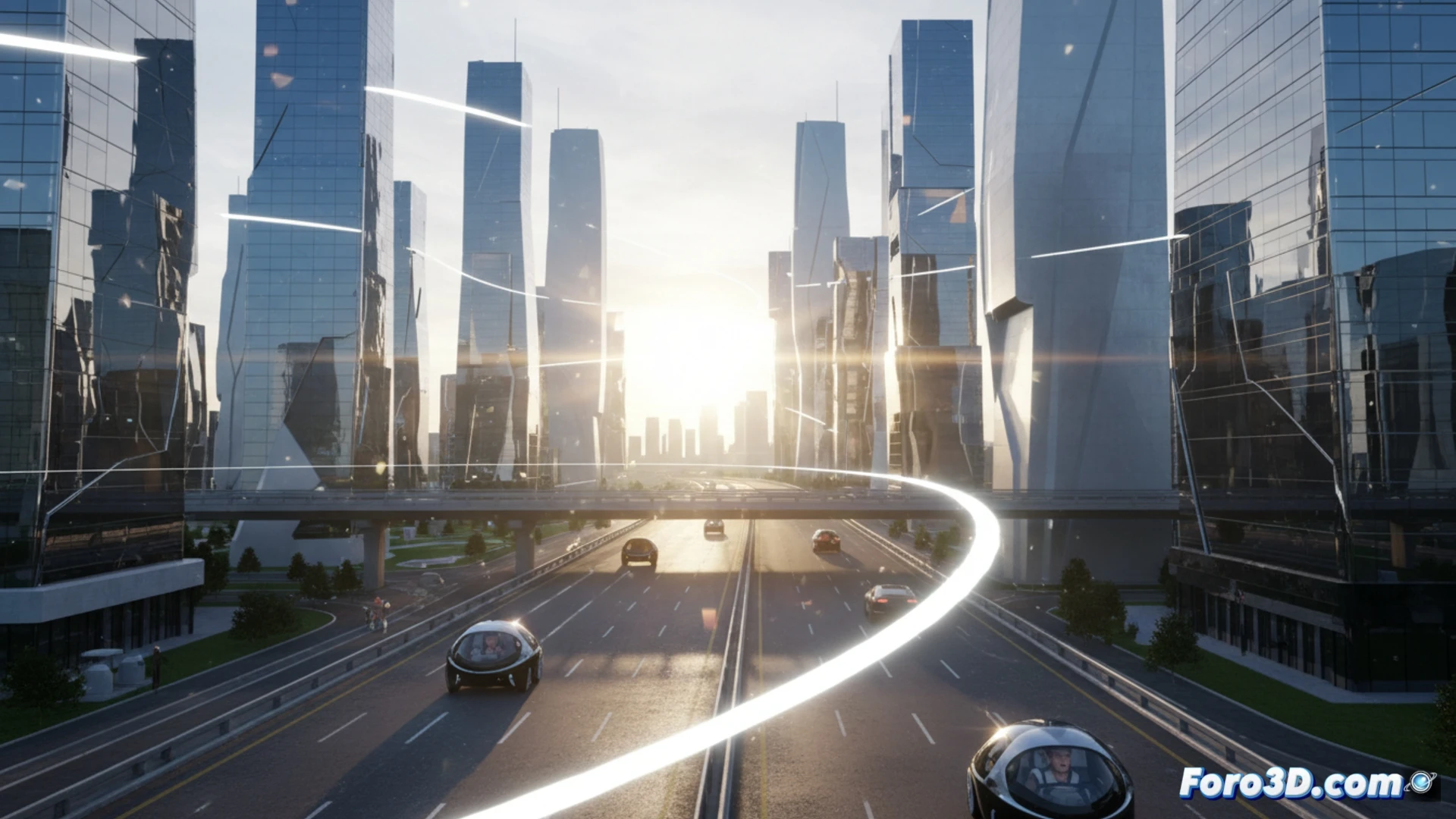
Reflectance simulation and light heat maps 🌞
In a 3D scene, each surface is defined with physical properties such as the refractive index, roughness, and specular reflectance coefficient. By projecting the solar path onto an urban model, the angles of incidence and light bounce can be calculated. The result is visualized using heat maps that show critical glare zones. Comparing a low-emissivity glass with a standard one reveals differences of up to 40% in reflected intensity. This technique also allows evaluating materials such as porous asphalt or light-colored concrete to mitigate visual impact at intersections.
Towards visually safe urban planning 🏙️
Scientific visualization of glare not only informs the architect but also educates the urban planner about the impact of each material choice. Predicting how a polished metal building can blind a driver at 5 PM in winter is now possible with physical rendering. Integrating these analyses into municipal regulations could reduce accidents and improve the quality of public space. 3D technology thus becomes a bridge between the physics of light and the livability of our cities.
How can we model the reflectance of materials such as glass or metal in 3D simulations to predict and mitigate urban glare at critical intersections?
(PS: if your manta ray animation doesn't excite, you can always add some BBC documentary music to it)