Cybersecurity is back in the spotlight with the discovery of Sicoob NuGet, a package that steals banking credentials, and others on npm that target cloud secrets. For users, this means that downloading software from unofficial sources can expose personal and financial data. Verifying the authenticity of programs and having updated antivirus software are basic steps to avoid fraud.
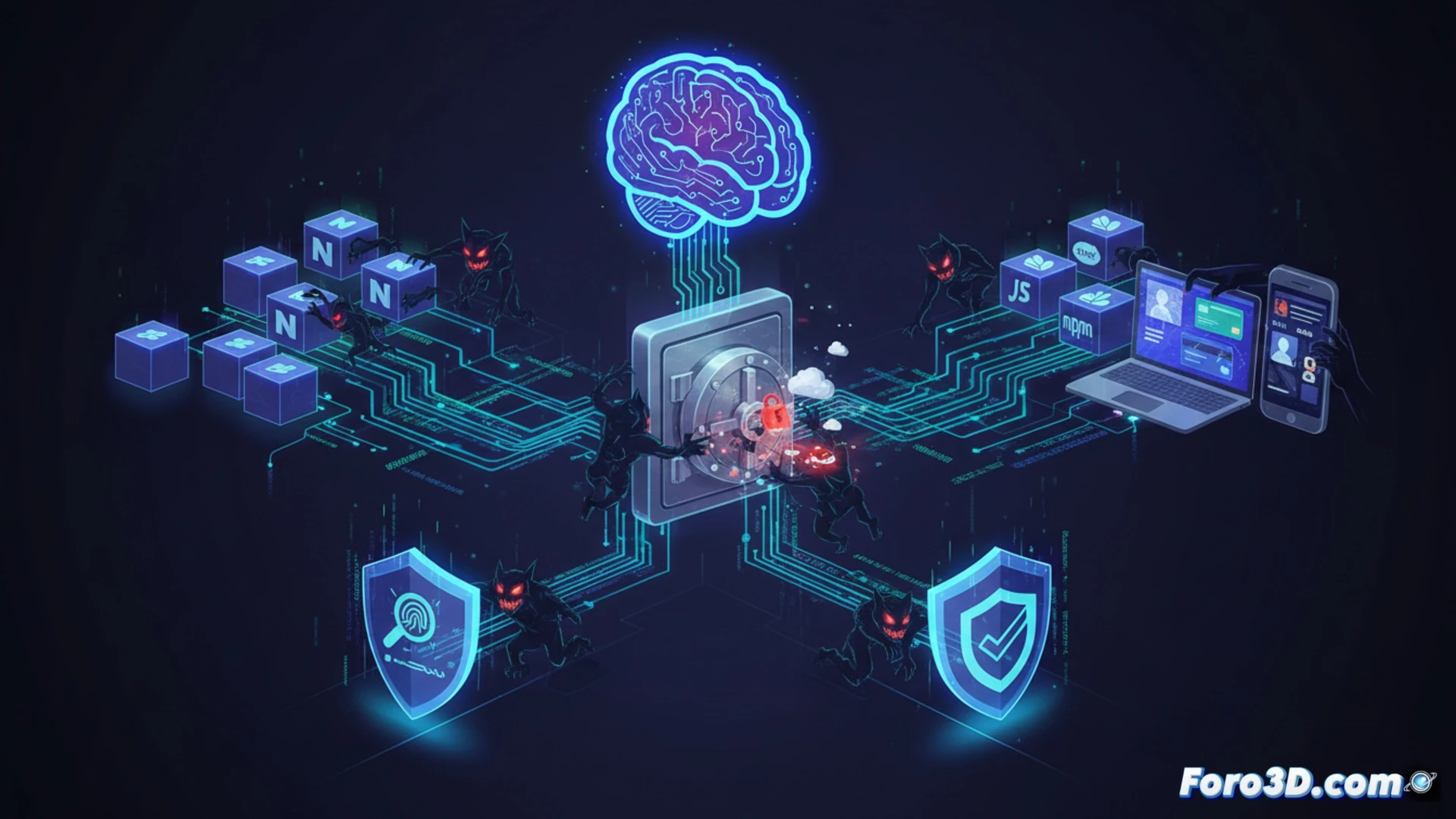
How these attacks operate in development environments 🛡️
Malicious packages like Sicoob NuGet infiltrate public repositories by mimicking the names of legitimate libraries. Once installed, they execute hidden code that extracts banking credentials or accesses cloud environment variables. On npm, attackers target keys for services like AWS or Azure. Developers should review source code, use digital signatures, and avoid installing dependencies without verifying their origin.
Antivirus as your best imaginary friend 🐱
Because, of course, nothing says trust like downloading a NuGet package named Sicoob and hoping it's not a scam. If your antivirus doesn't warn you, you can always blame the WiFi or the cat walking on the keyboard. In the end, personal cybersecurity depends on not clicking on everything that shines, even if it promises to solve your life.