Electrical sabotage represents a growing threat in the analysis of modern disasters. Unlike a technical failure, this intentional act seeks to destabilize critical infrastructure through targeted attacks on substations or high-voltage lines. As technical writers, our goal is to model in 3D the impact of a massive blackout, simulating the cascade of failures to anticipate vulnerabilities and optimize emergency response protocols.
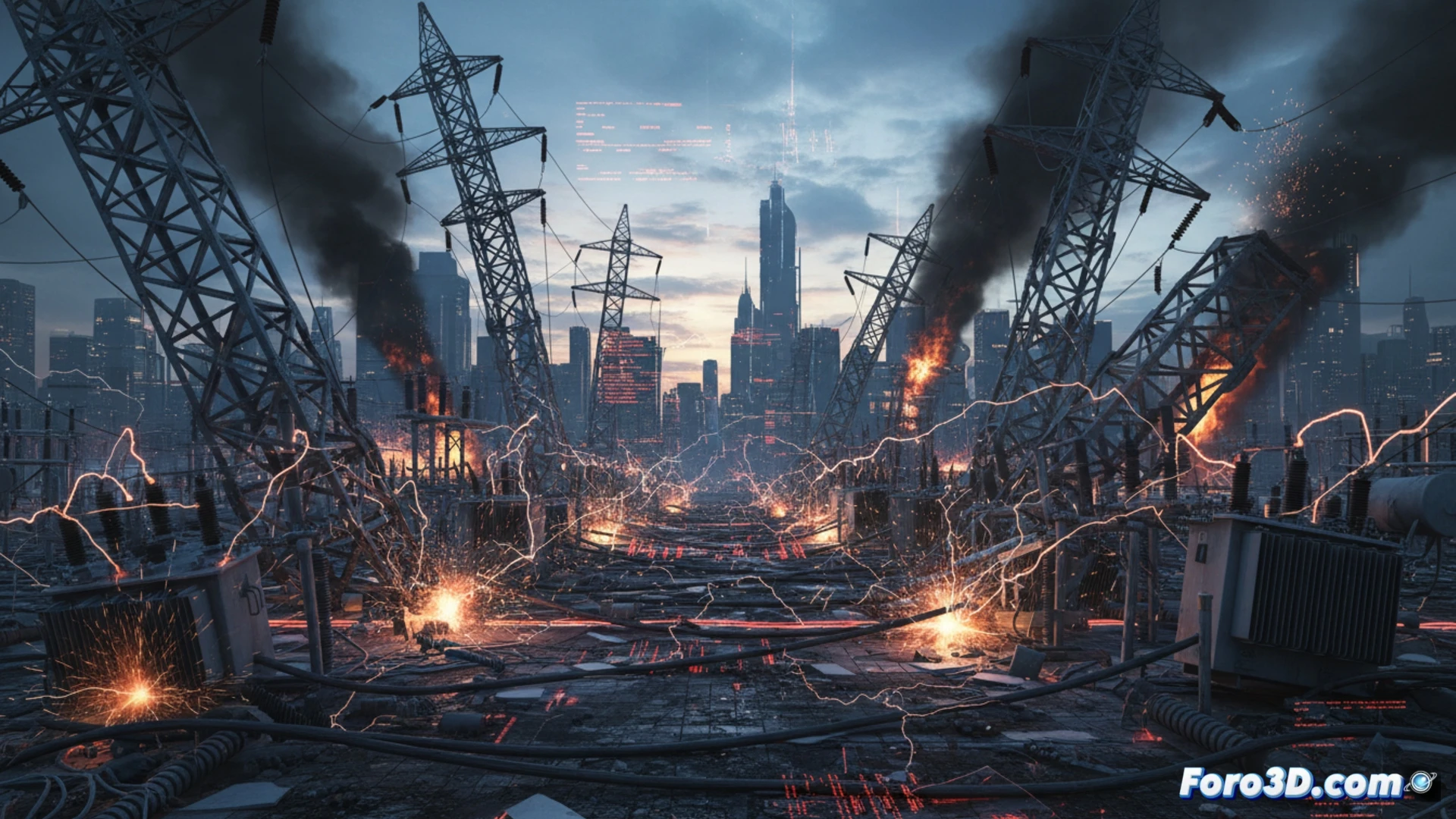
3D Simulation of Blackout Propagation and Vulnerabilities ⚡
To visualize the sabotage, we built a 3D model of the urban electrical grid, including generators, transformers, and distribution nodes. The key scenario is the destruction of a main transformer, triggering a domino effect. Through dynamic simulations, we map the blackout propagation in real time, identifying which neighborhoods lose power first. This analysis reveals blind spots in the infrastructure, such as dependence on a single critical node. The volumetric representation allows planners to visualize the scope of the disaster and prioritize the reinforcement of strategic assets.
Lessons from Chaos: Towards a Preventive Response 🔍
3D modeling not only shows the collapse but also exposes the fragility of urban interconnection. By simulating response scenarios, such as deploying mobile generators or isolating damaged areas, we evaluate the effectiveness of countermeasures. The main lesson is that prevention requires a proactive approach: identifying the most likely sabotage points and designing redundancies. At Foro3D, we believe that visualizing this man-made disaster is the first step towards building more resilient and secure networks.
As a 3D modeler, what key differences should I consider when visually representing failure patterns between an intentional electrical sabotage and an accidental short circuit to convey the intentionality of the disaster?
(PS: Simulating disasters is fun until your computer crashes and you become the disaster.)