The recent sabotage incident against a quantum computing node has shaken the foundations of the technology industry. It was not a conventional cyberattack, but a physical manipulation of the cryogenic hardware that exposed the fragility of post-classical systems. This event, beyond the material damage, has generated a crisis of trust that transcends laboratories and reaches the public perception of advanced AI.
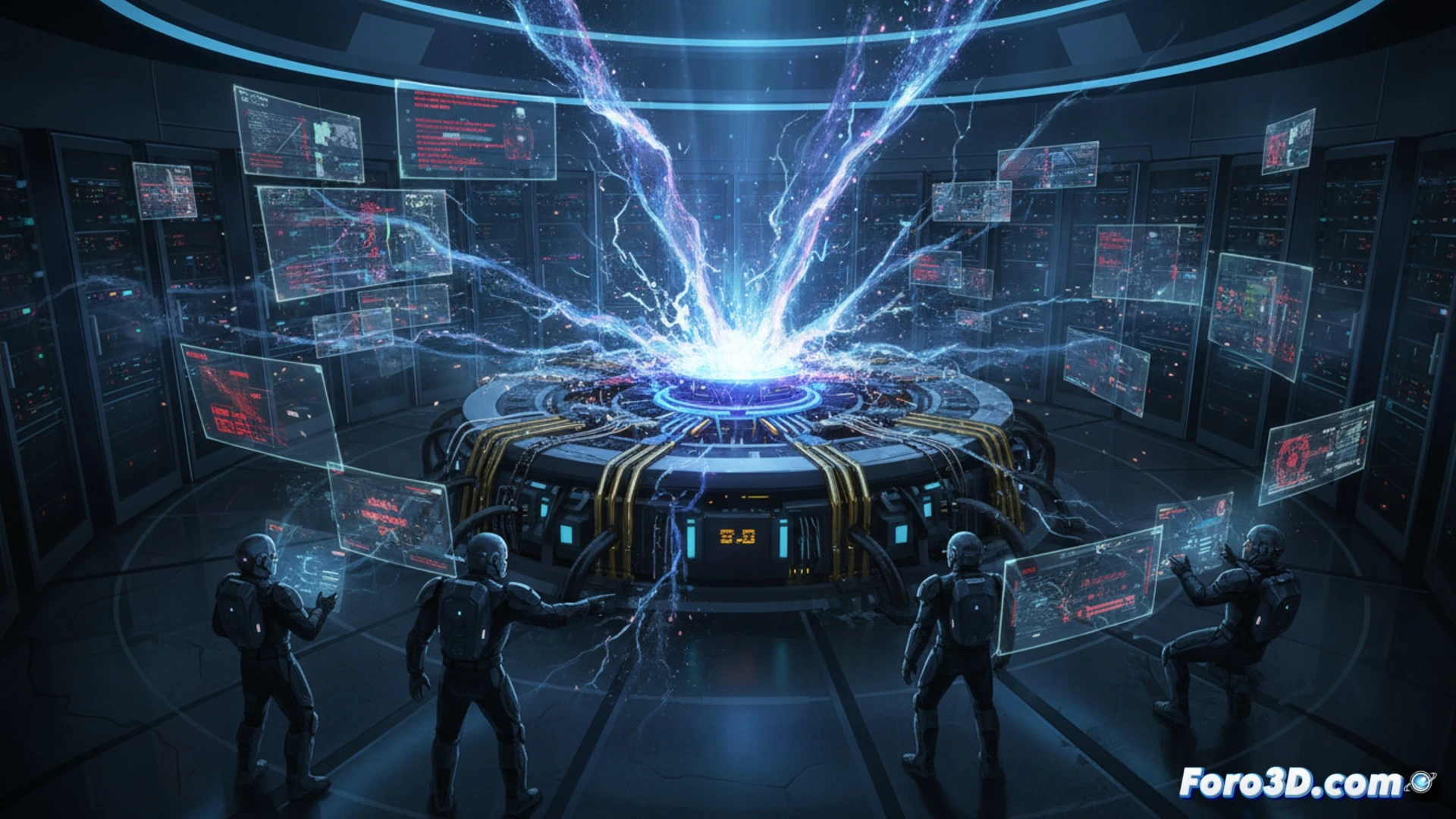
Vulnerable Architecture: The Blind Spot of Physical Security 🛡️
The compromised security architecture reveals a critical paradox: while quantum encryption protocols and logical barriers are robust, cooling systems and fiber optic interconnections present physical attack vectors. 3D visualizations of the incident show how the sabotage infiltrated the low-temperature zone, destabilizing superconducting qubits. This failure demonstrates that quantum cybersecurity must integrate tangible layers, such as vibration sensors and environmental shielding, to protect the hardware that supports generative AI algorithms.
Lessons for Reputational Crisis Management 📉
The technology community's response was immediate but fragmented, highlighting the lack of unified protocols for quantum sabotage. Companies in the sector must learn to manage public perception of these events, as a single incident can erode years of investment in trust. Transparency about vulnerabilities and the implementation of redundant security architectures not only protect data but also mitigate reputational damage in a market where credibility is the most valuable asset.
If quantum sabotage reveals a structural vulnerability in the AI supply chain, are we witnessing the birth of a new era of cyberwarfare where planned technological obsolescence becomes the ultimate weapon against digital infrastructure?
(PS: tech nicknames are like children: you name them, but the community decides what to call them)