While the United States and China compete to dominate artificial intelligence, Russia is trying to develop its own models like GigaChat and Alice AI. But the reality is different: without access to advanced chips or sufficient talent due to sanctions, its systems operate with limited technology and mediocre results. Even its ally China only shares outdated hardware.
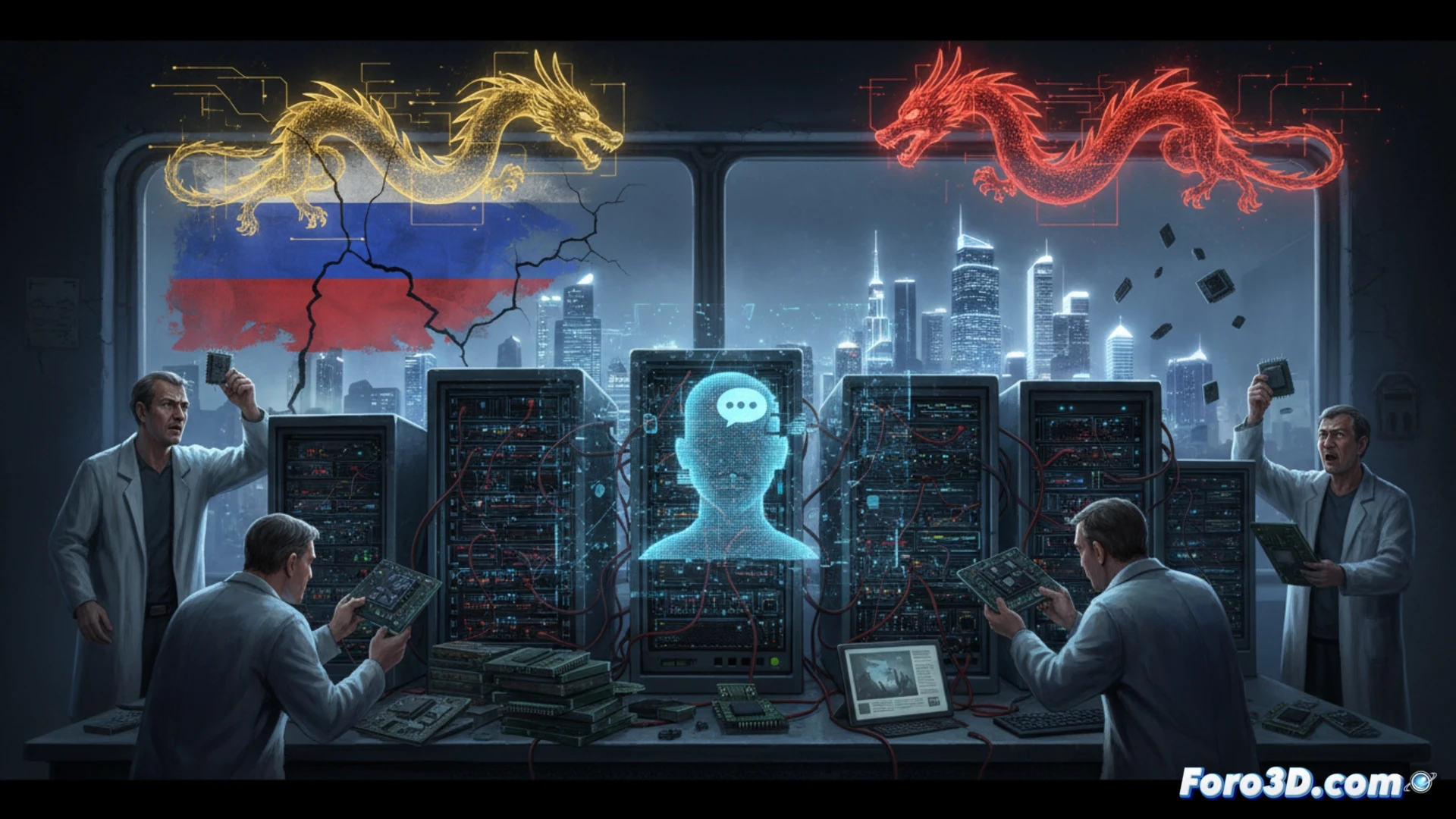
Outdated chips and brain drain hinder Russian development 🧠
The technological blockade prevents Russia from manufacturing or importing cutting-edge semiconductors, essential for training complex AI models. The few specialized engineers who remain emigrate to countries with better conditions. As a result, GigaChat responds slowly and with frequent errors, while Alice AI barely manages to hold basic conversations. Without infrastructure or investment, progress is almost nil.
GigaChat: the assistant that answers you while brewing tea ☕
Using GigaChat is like ordering instant coffee at a barista tasting: it gets the job done, but don't expect surprises. While ChatGPT solves complex problems, the Russian model takes its time to suggest tea time. Alice AI, for its part, seems like a shy intern who only knows how to repeat clichés. At least, if the AI fails, you can always blame the sanctions.