Ukraine has taken a firm step towards automated warfare with the use of humanoid robots on the front line. The Phantom MK-1 model began its service transporting supplies to reduce the risk of human casualties. Now, official sources confirm the development of an improved version with superhuman capabilities, marking a shift in combat tactics and soldier protection.
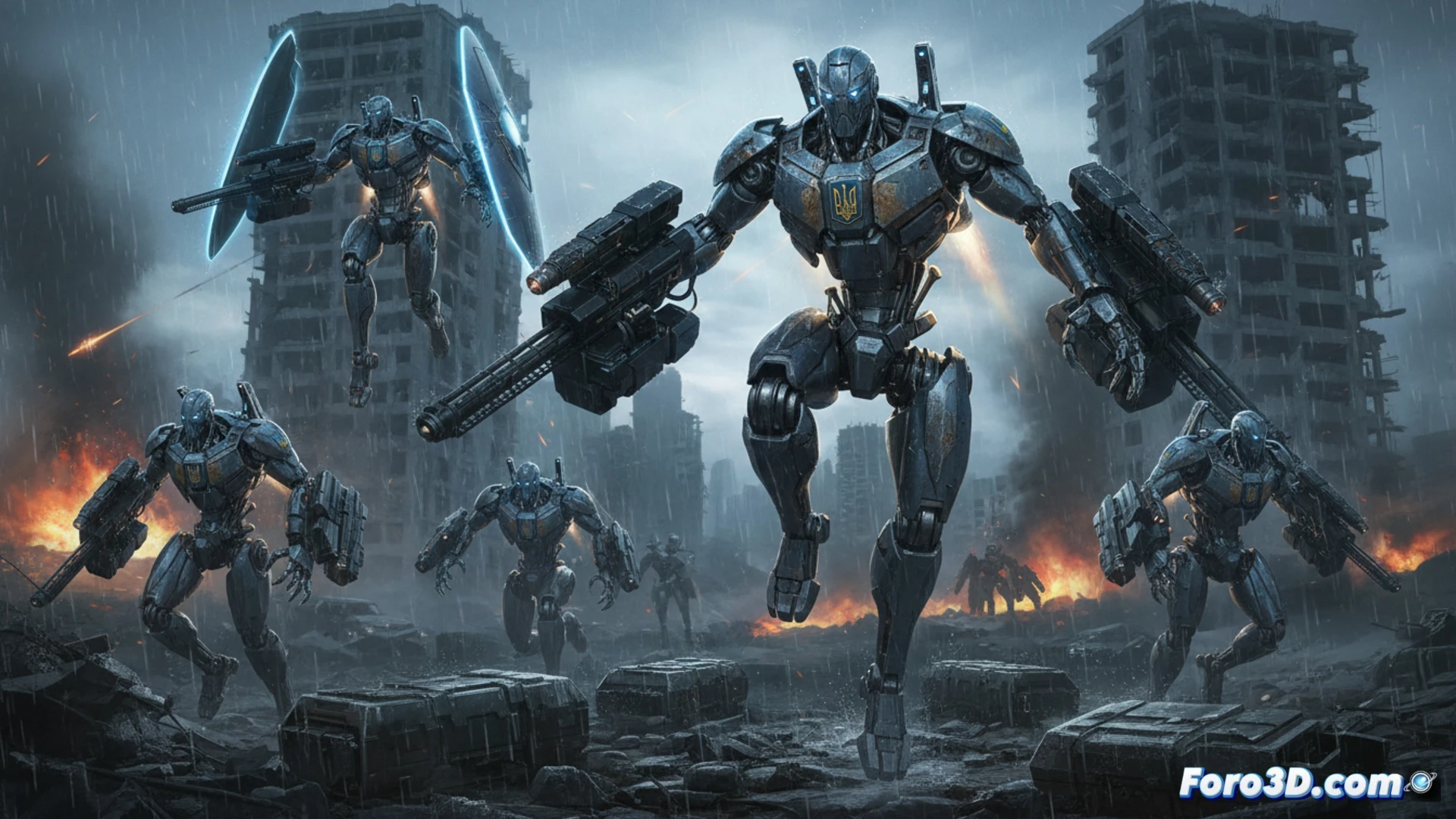
Phantom MK-1 and the evolution of mechanical force on the front 🤖
The original Phantom MK-1 focused on logistics, moving heavy loads in high-risk areas. The new iteration incorporates advanced sensors, improved stability systems, and a reinforced structure to withstand physical stresses that exceed human limits. Engineers have integrated autonomous navigation algorithms that allow maneuvering on uneven terrain without constant remote intervention, although they still require supervision for complex tactical decisions.
Next step: making the robot also pay war taxes 💰
While human soldiers are grateful not to have to carry more ammunition boxes under enemy fire, the humanoid robots are already looking with their infrared sensors at the next target: administrative tasks. It is rumored that the Phantom MK-2 version will include a module for drafting war reports and, if the battery holds out, perhaps even make coffee for the general. War is being automated, but bureaucracy seems eternal.