In April 2026, Hong Kong was the scene of an exhibition featuring over 100 Chinese robots showcasing notable advances in fine manipulation and fluent conversation. However, a technical detail marred the event: their battery life barely reaches between one and three hours. China dominates in production volume with 140 manufacturers and thousands of units sold, although Western industries still prefer models from other countries for complex tasks. For the average citizen, this means these humanoids remain a promise, not a practical tool for everyday life.
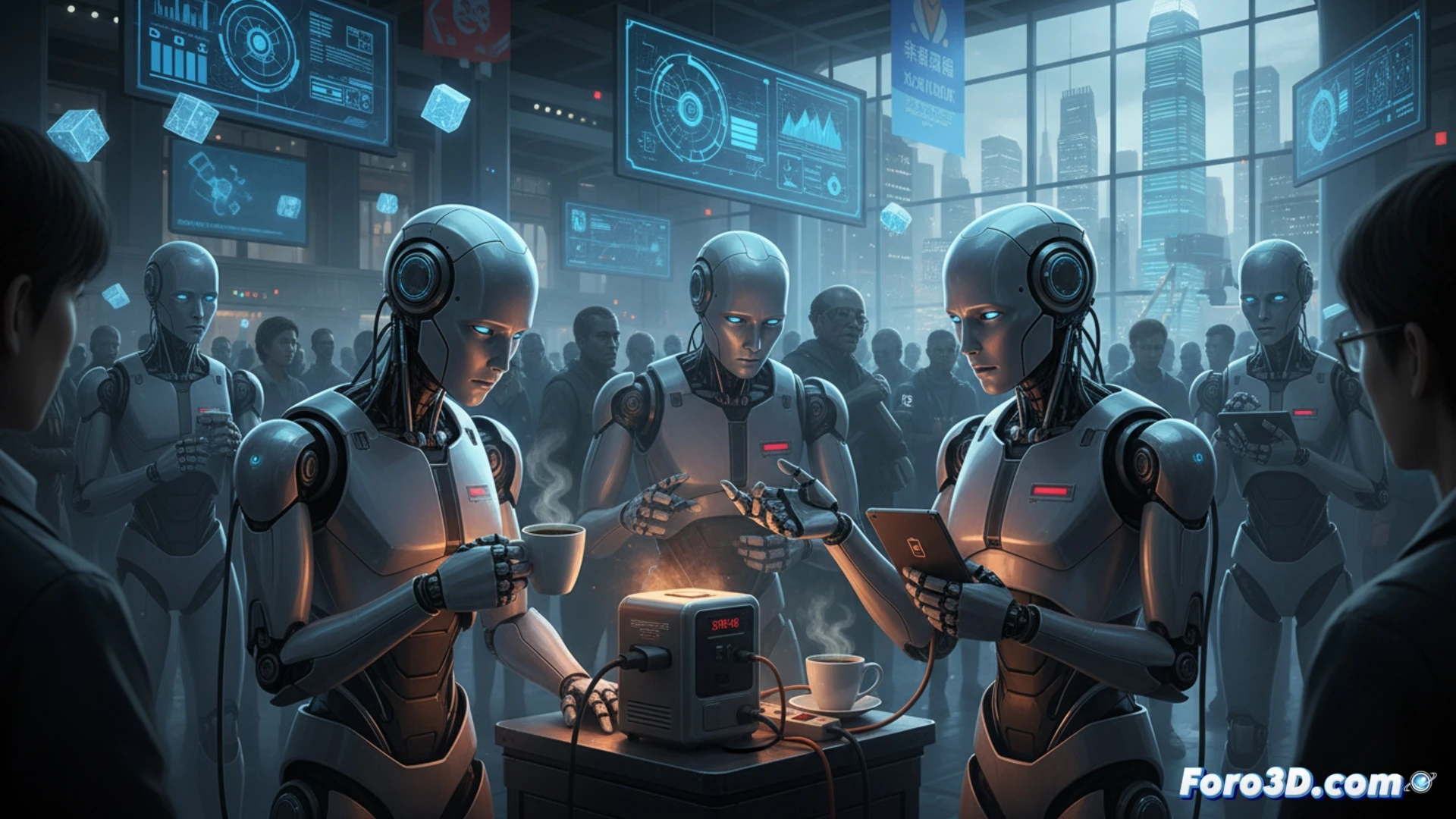
Manual dexterity and fluent dialogue, but with little energy 🔋
The robots presented in Hong Kong demonstrated relevant technical capabilities: they manipulate fragile objects with precision and maintain natural dialogues thanks to advanced language models. However, the weak point remains the battery. With a battery life of 1 to 3 hours, their use in continuous work or home environments is unfeasible. While China dominates the market in volume, Western industrial sectors opt for robots from other brands for tasks requiring reliability and long operating periods. Humanoid robotics is advancing rapidly, but its real-world application is held back by a lack of sustained energy and market distrust.
The robot that talks nicely, but shuts off before dessert 🤖
Watching a robot recite poetry and serve tea is impressive, until twenty minutes later it goes stiff looking for an outlet. It's like inviting a very cultured friend to dinner, but they fall asleep during the appetizer. Western industries, meanwhile, look on warily and prefer robots from other countries, those that don't run out of battery in the middle of a weld. In the end, what promised to be a revolution seems more like a joke with a moral: no matter how skillful you are if your battery lasts less than an action movie.