We analyze in 3D the biomechanical characteristics of Riley Meredith, the Australian fast bowler. His bowling action, combined with a privileged height and a powerful brace, generates speeds that consistently exceed 150 km/h. We break down the hip angles, trunk rotation, and release point that turn his arm into a kinetic spring.
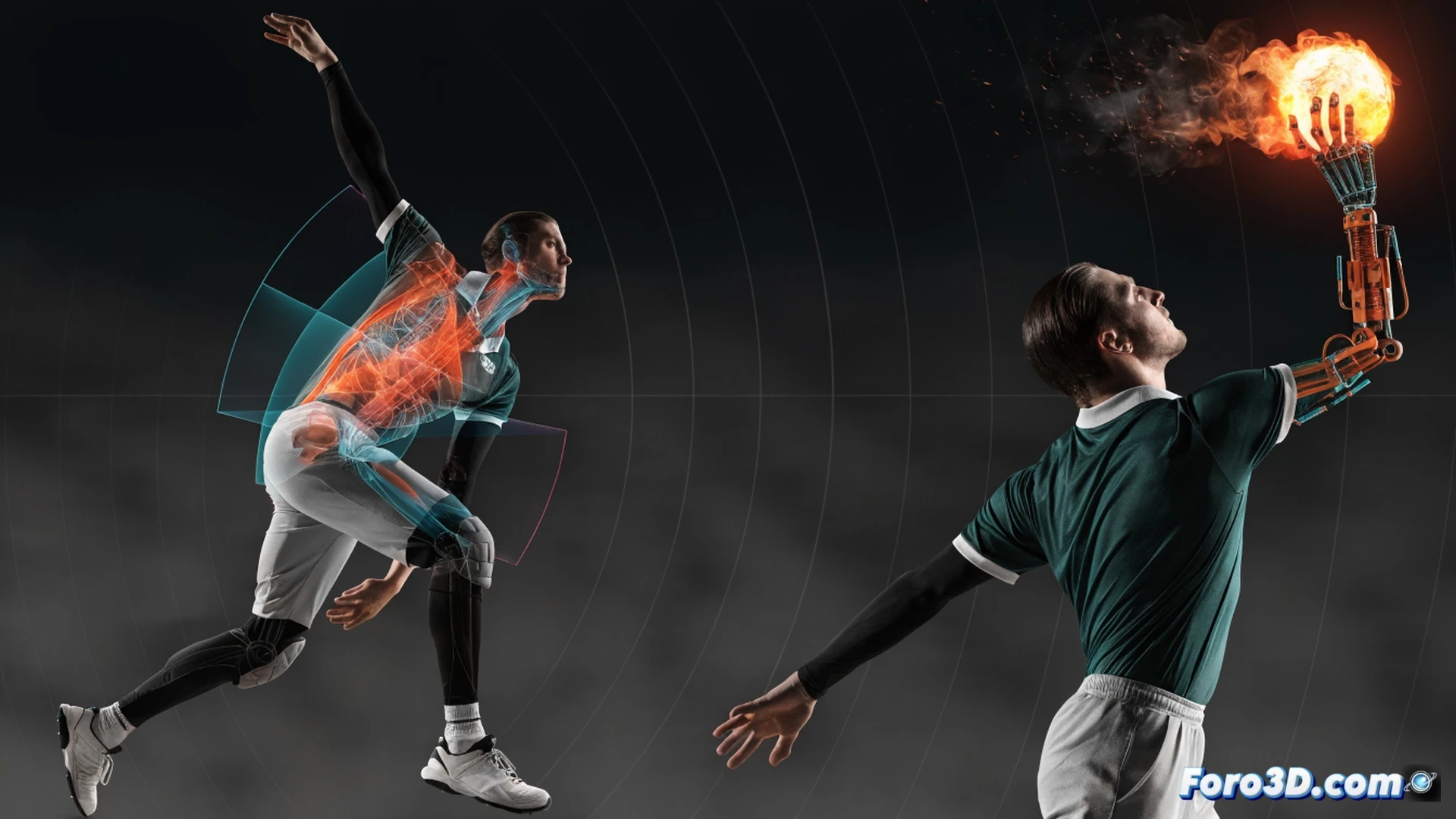
Technical analysis of the kinetic chain in his delivery 🏏
The 3D model reveals that the key lies in the energy transfer from the landing foot. Meredith generates a trunk lean angle close to 40 degrees during the jump, maximizing torque. His elbow maintains a constant angle of 95 degrees during the brace, reducing speed loss. Motion capture analysis shows that his wrist produces a final whip that adds an extra 5 km/h to the impact.
The mystery of why batsmen only see a blur ⚡
After modeling his delivery in 3D, we discovered that the secret is not just the speed, but that his ball reaches the batsman before the nervous system finishes processing the shock. Sensors indicate that his front foot lands with such force that local seismographs think it's a magnitude 2 earthquake. Batsmen, for their part, swear they hear a sonic crack before seeing the ball. Pure science, or black magic, you decide.