Rheinmetall UK has changed the manufacturing of plastic parts for the Challenger 3 tank, using 3D printing instead of traditional methods. This decision reduces production costs and avoids supply chain delays. For the public, this means the British army is modernizing its equipment more efficiently, employing technology that saves public money and accelerates delivery times.
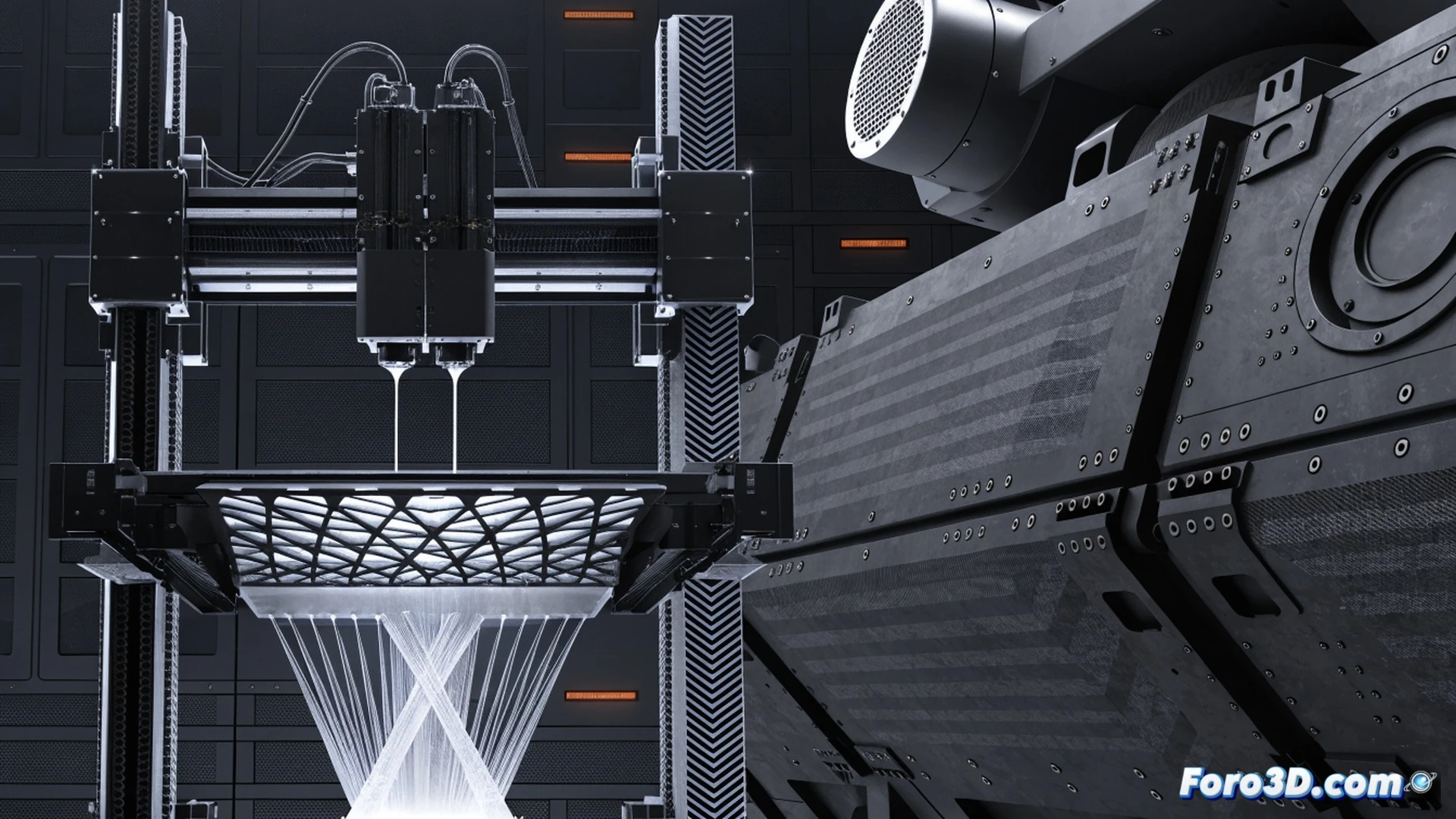
Additive technology for military logistics 🛡️
3D printing allows for the on-demand manufacturing of spare parts, eliminating the need for large warehouses of components. Rheinmetall produces polymer components with specific mechanical properties, such as heat and impact resistance. This process reduces the vehicle's overall weight and simplifies field maintenance. By digitizing the parts catalog, engineers can adjust designs without expensive molds, speeding up armor updates.
Goodbye screws, hello filaments 🤖
It seems the Challenger 3 is getting more modern than a teenager with a printer in the garage. If before parts were made with molds that cost an arm and a leg, now they are made layer by layer. The next thing will be that tanks get updated with software patches instead of going to the workshop. Of course, if the printer jams, the army will have to call the IT technician instead of the blacksmith.