The protection of minors in the digital environment is no longer a matter of good intentions. Various governments and regulatory bodies are pressuring tech companies to face legal consequences for security failures on their platforms. The debate centers on whether companies should be held legally accountable for the harm suffered by children and adolescents on their services, from harassment to exposure to inappropriate content.
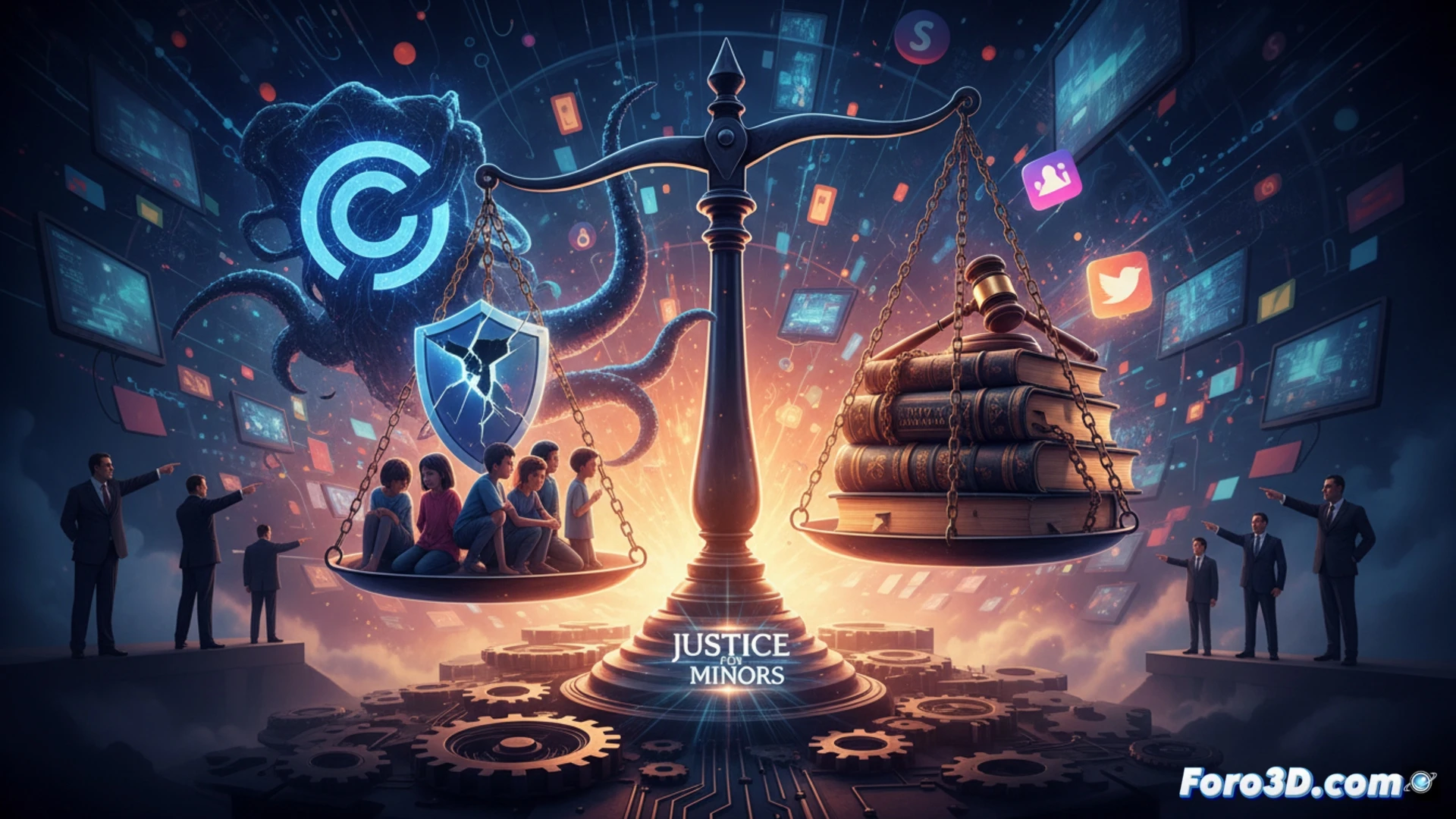
Compliance architecture and automated moderation 🛡️
To meet legal requirements, companies must implement content moderation systems based on artificial intelligence and human review. This involves developing predictive filters to detect patterns of grooming or cyberbullying, as well as parental control algorithms integrated into the interface design. The key is to apply a privacy-by-default and security-by-design approach, where the collection of minors' data is restricted by default. The technical challenge is to balance the effectiveness of these filters with user privacy, avoiding mass censorship.
The legal carrot and the fine stick ⚖️
It is curious that tech companies suddenly find faith in self-regulation just when a judge touches their pockets. Until now, terms and conditions were like the fine print of a rental contract: nobody reads them and everyone loses out. But when the threat of a million-dollar fine appears, they suddenly discover that it is indeed possible to program a system that detects an adult pretending to be a child. Miracles of legislation.