Heat has been the dictator of design for decades. Heatsinks, fans, and imposing cooling towers conditioned the shape of every component. Cold plasma cooling breaks that tyranny: it allows hardware to become sculpture, freeing aesthetics from thermal limitations. Silence and purity now lead the way. 🎨
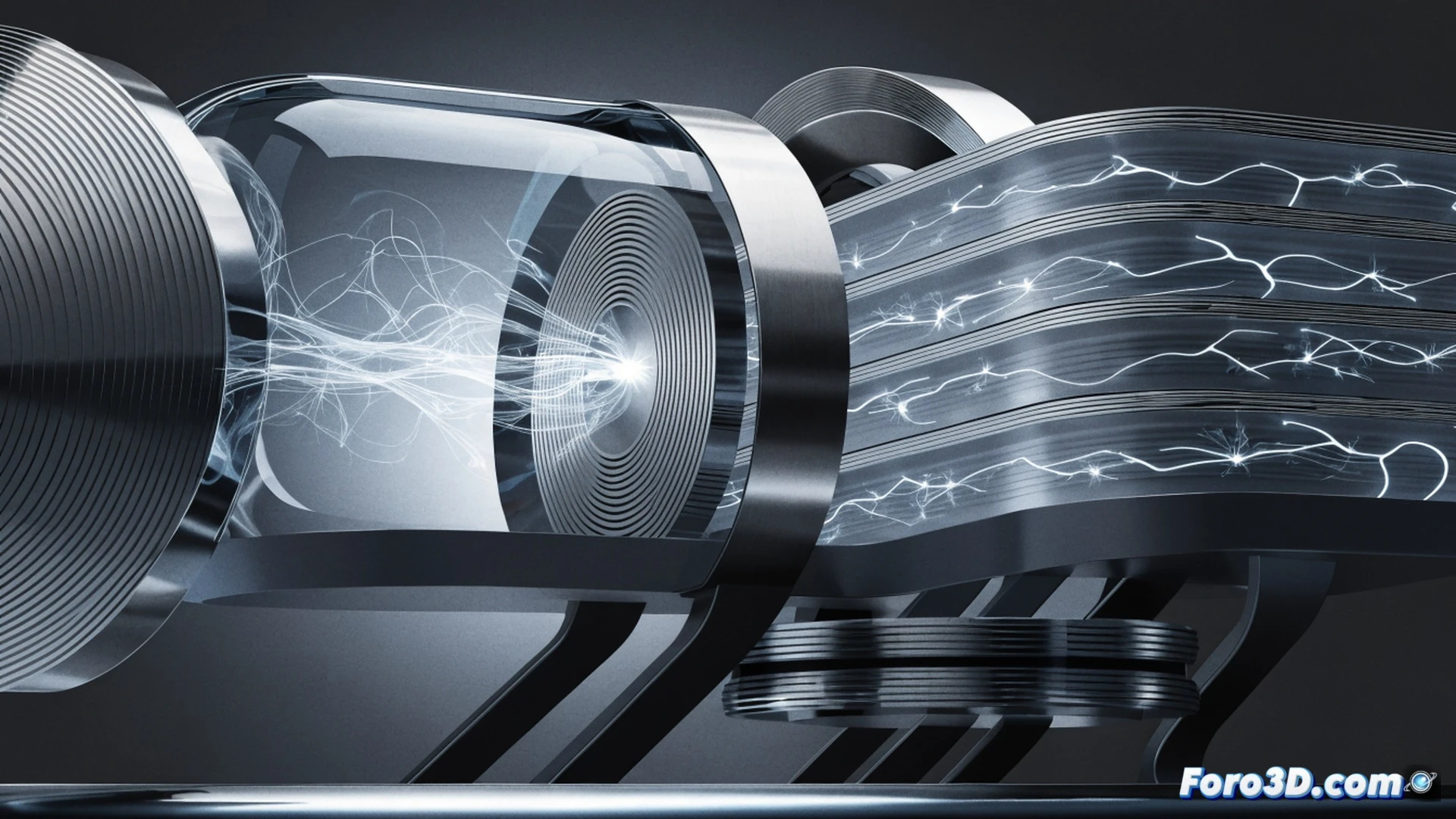
Cold plasma: how to ionize without melting silicon ⚡
Unlike liquid or air cooling, cold plasma uses an electric field to ionize a gas at low temperature, generating a flow of charged particles that extract heat from the chip surface without physical contact. This eliminates the need for thermal paste, fans, or bulky radiators. The system operates at near-ambient temperatures, with lower energy consumption than a conventional fan. Heat transfer is direct and without mechanical friction.
Goodbye radiator: now the PC looks like Swedish furniture 🪑
If your computer looked like a desktop nuclear power plant, breathe easy. With cold plasma, the heatsink is no longer the star. Now you can have a PC that looks like a minimalist sculpture, without fans that resemble jet turbines. That said: if your cat gets near the plasma, it won't hurt it, but it might get a fright seeing a little violet light. And you, finally, can say your rig has an ionization chamber, like a home fusion reactor.