The recent incident in the pneumatic mail system has left technicians without a clear explanation. Through the forensic pipeline, we have addressed the problem from a novel perspective: 3D modeling every meter of the tubular route. The digital reconstruction has allowed us to isolate the exact area where the differential pressure collapsed, revealing an obstruction point that was not visible in traditional camera inspections.
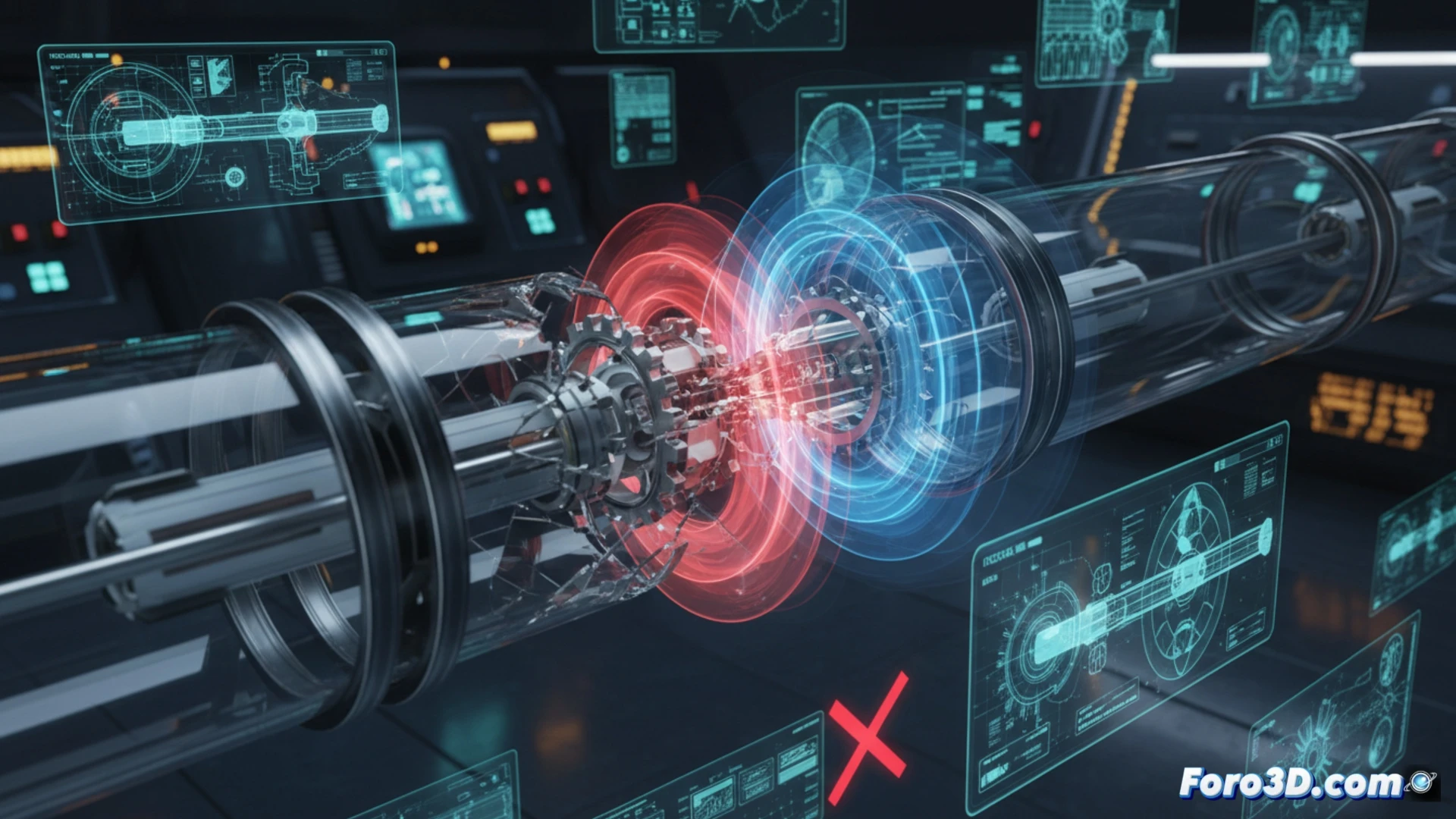
Pressure simulation and modeling of damaged parts 🔧
The analysis focused on recreating the airflow using animated diagrams. By comparing the original state of the system with the post-failure model, we identified a critical deformation in a 90-degree elbow. Numerical simulation showed that the air speed at that point exceeded the design limit by 40%, generating a shockwave that fractured the internal support. Using high-resolution polygon meshes, we were able to measure material fatigue and determine that the failure was not instantaneous, but progressive over several operating cycles.
Lessons for predictive maintenance 🛠️
This case demonstrates that visual inspection is not enough in hidden infrastructures. 3D reconstruction not only explains the how, but also the why of the collapse. By integrating these models into a digital twin of the system, engineers can anticipate weak points before they fail. The pneumatic mail failure leaves a clear lesson: volumetric documentation must be part of the maintenance protocol, not just the post-incident investigation.
How is the forensic pipeline workflow applied to reconstruct in 3D the exact sequence of the failure in the pneumatic mail system from scattered sensor and CCTV data?
(PS: don't forget to calibrate the laser scanner before documenting the scene... or you might be modeling a ghost)