Medicine incorporates virtual reality and 3D printing to plan surgeries and create custom prosthetics. These tools allow doctors to rehearse complex operations and manufacture custom implants in less time. However, behind the innovative discourse lies a reality: these are expensive technologies that only reach private hospitals or those in large cities, leaving out public healthcare and the majority of citizens.
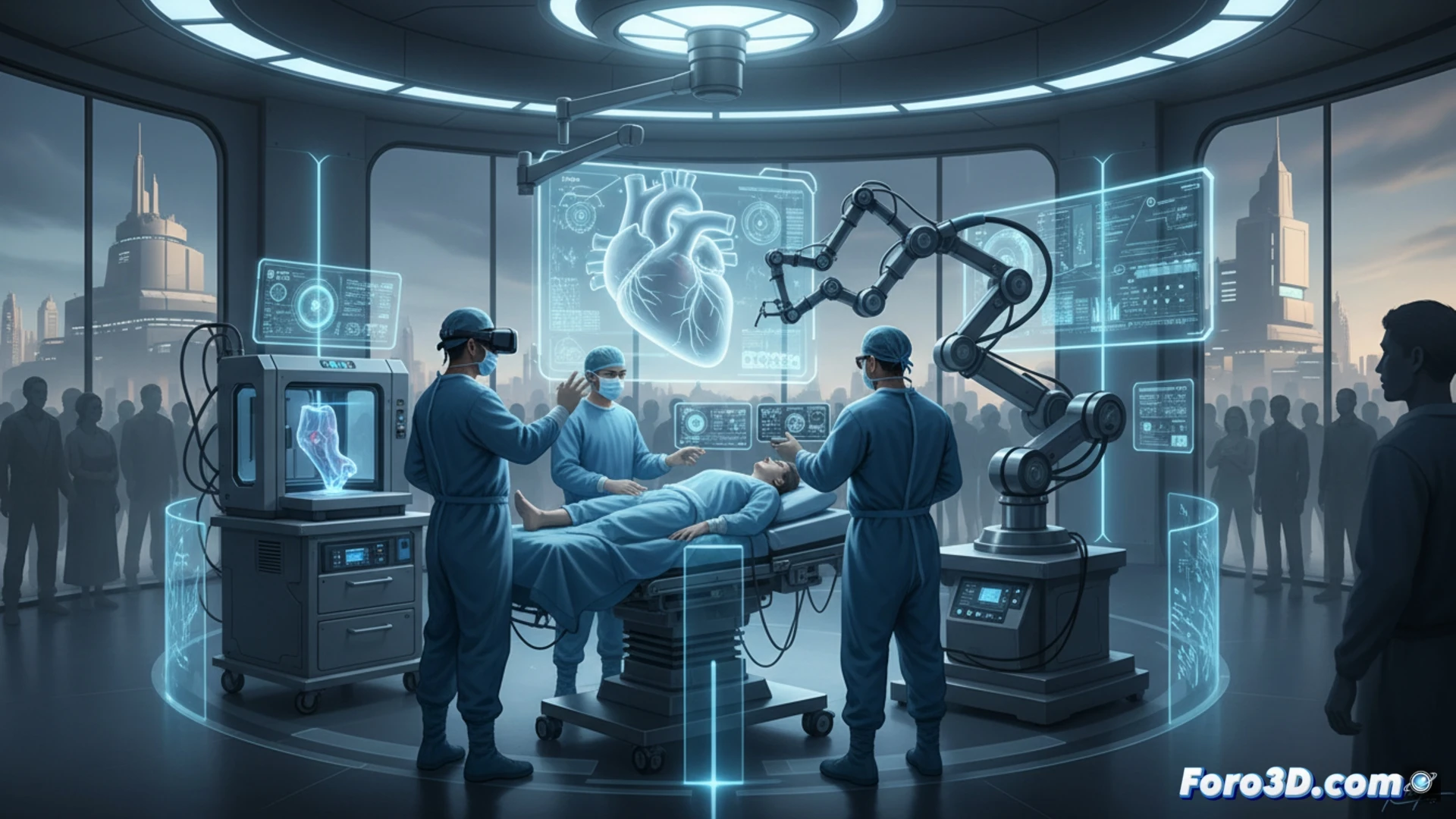
Virtual models and custom prosthetics: how the new technology works 🏥
Surgeons use virtual reality goggles to visualize organs in 3D and plan incisions with millimeter precision. 3D printing allows for the manufacture of knee or hip prosthetics tailored to each patient's anatomy, reducing operating room time. The process includes digital scans, computer-aided design, and materials such as titanium or biocompatible polymers. But all this technical deployment comes at a cost that few public centers can afford.
Designer prosthetics for you, if you live in the wealthy area 💰
While at the private clinic they print you a hip prosthetic with your name on it, at the public hospital they offer you the standard 1995 model and an appointment in eight months. But don't worry: virtual reality will allow you to see your operation in 360 degrees... from the waiting room, with free WiFi. Innovation is a delight, as long as you can afford it.