The concept of wear pattern in orthodontics has evolved with the digitalization of the dental clinic. It is no longer just about observing the physical wear of an aligner or bracket, but about analyzing its virtual behavior. Through intraoral scanning and simulation software, orthodontists can create a digital twin of the appliance. This model allows recording the exact interaction between the device and the dentition, generating a map of friction, pressure, and movement that predicts treatment efficacy.
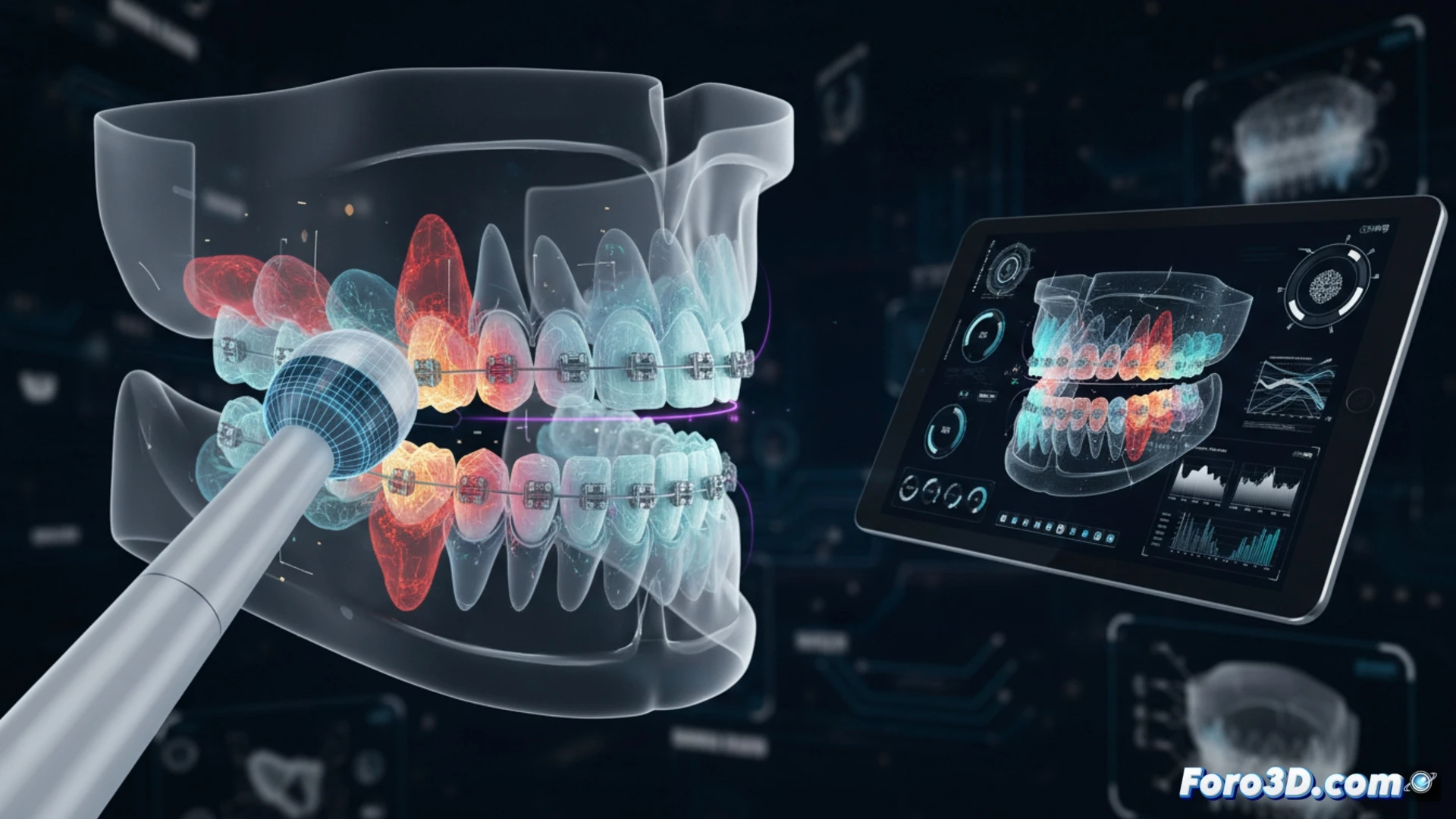
Digital Modeling and Simulation of Dental Movement 🦷
Intraoral 3D scanning technology captures the geometry of the teeth and the appliance in real time. This data is processed to generate a virtual replica that acts as a kinetic history of the treatment. The software analyzes the wear pattern, identifying areas of high pressure or premature wear on the aligners. This information allows the specialist to adjust the sequence of movements or modify the design of the virtual bracket. The result is more precise treatment planning, reducing corrective visits and shortening the duration of orthodontic treatment.
The Digital Footprint of the Perfect Smile ✨
The wear pattern not only optimizes biomechanics but also redefines the relationship between the clinician and technology. Each digital twin stores an objective record of the patient's progress, enabling clinical audits and clearer communication. This approach transforms orthodontics into a data science, where every micromovement is documented. Thus, the digital footprint of the treatment becomes a tool for assurance and continuous improvement, raising the standards of 3D biomedicine.
How can digital twins transform the wear pattern in orthodontics to predict and correct clinical deviations in real time?
(PS: and if the printed organ doesn't beat, you can always add a little motor... just kidding!)