Salesianos Spain presents a series of 3D printable puzzles with integrated narratives. The idea is to combine play and learning through stories that, they claim, improve concentration and cognitive skills. A proposal that sounds good on paper, but when looking at the costs reveals a less inclusive reality.
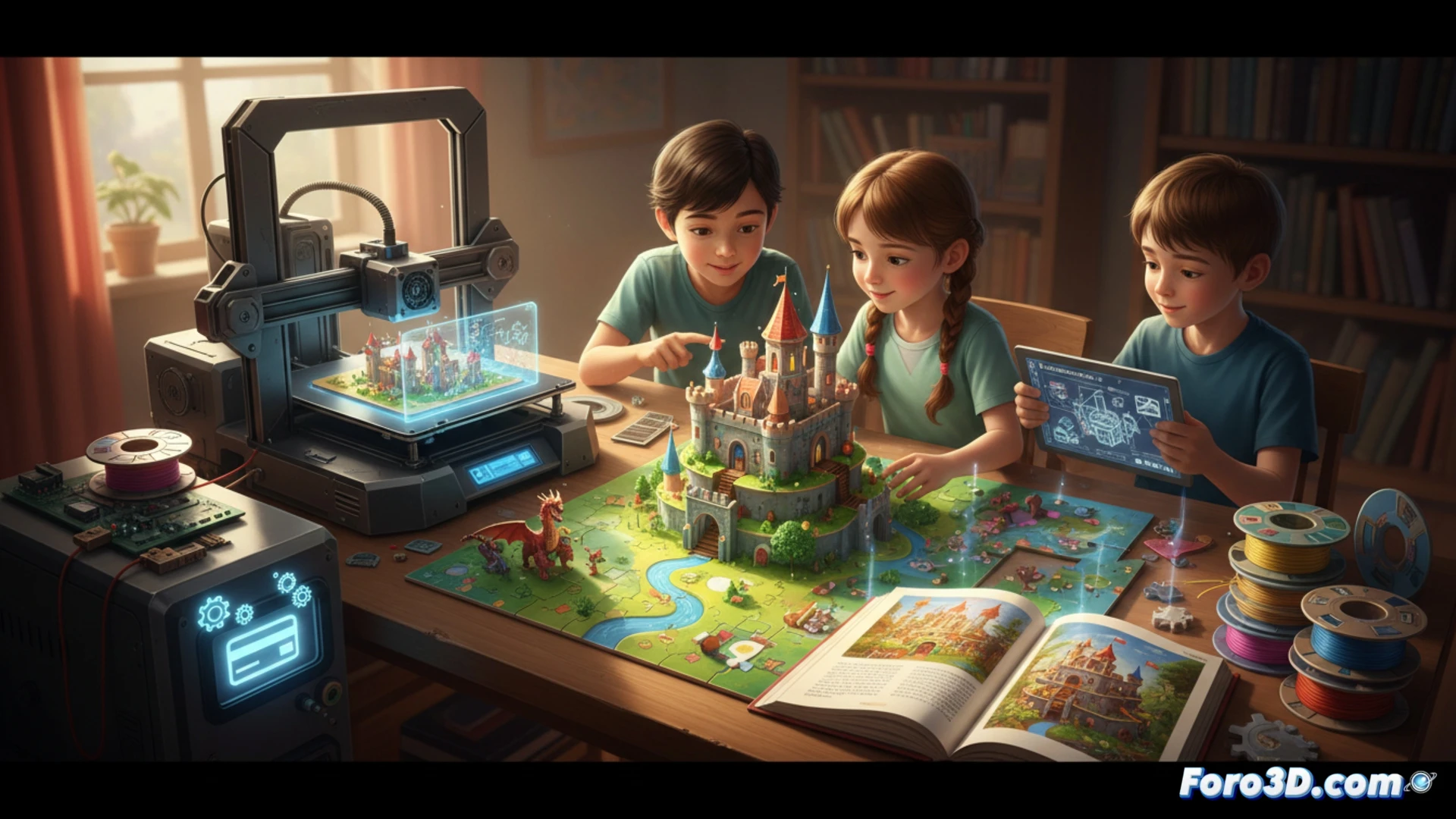
Educational technology with a barrier to entry 🧩
To use these puzzles you need a 3D printer and filament, equipment that is scarce in public schools with tight budgets. While a cardboard puzzle costs a few euros, printing these pieces multiplies the cost by ten, not counting electricity and design time. The narrative is an attractive wrapper, but the documented cognitive benefits do not surpass those of a traditional puzzle. That is, you pay more for the same mental stimulation, only with melted plastic.
The story they tell you to justify the expense 💸
The pedagogical narrative sounds like a revolution, but in the end it's the same old game: fitting pieces together. The difference is that now, besides thinking, you have to mortgage the school supplies budget. Perhaps the next thing will be an interactive story that requires a monthly subscription to filament. Meanwhile, children from schools with fewer resources will continue to develop their concentration with a classic cardboard puzzle, without owing anything to anyone.