3D printing is transforming medicine at Carnegie and Stanford universities, where they manufacture custom prosthetics and surgical guides. These parts are produced in hours, cost less than traditional ones, and adapt to each patient's body. The result is more accessible treatment, without long waiting lists or prohibitive prices.
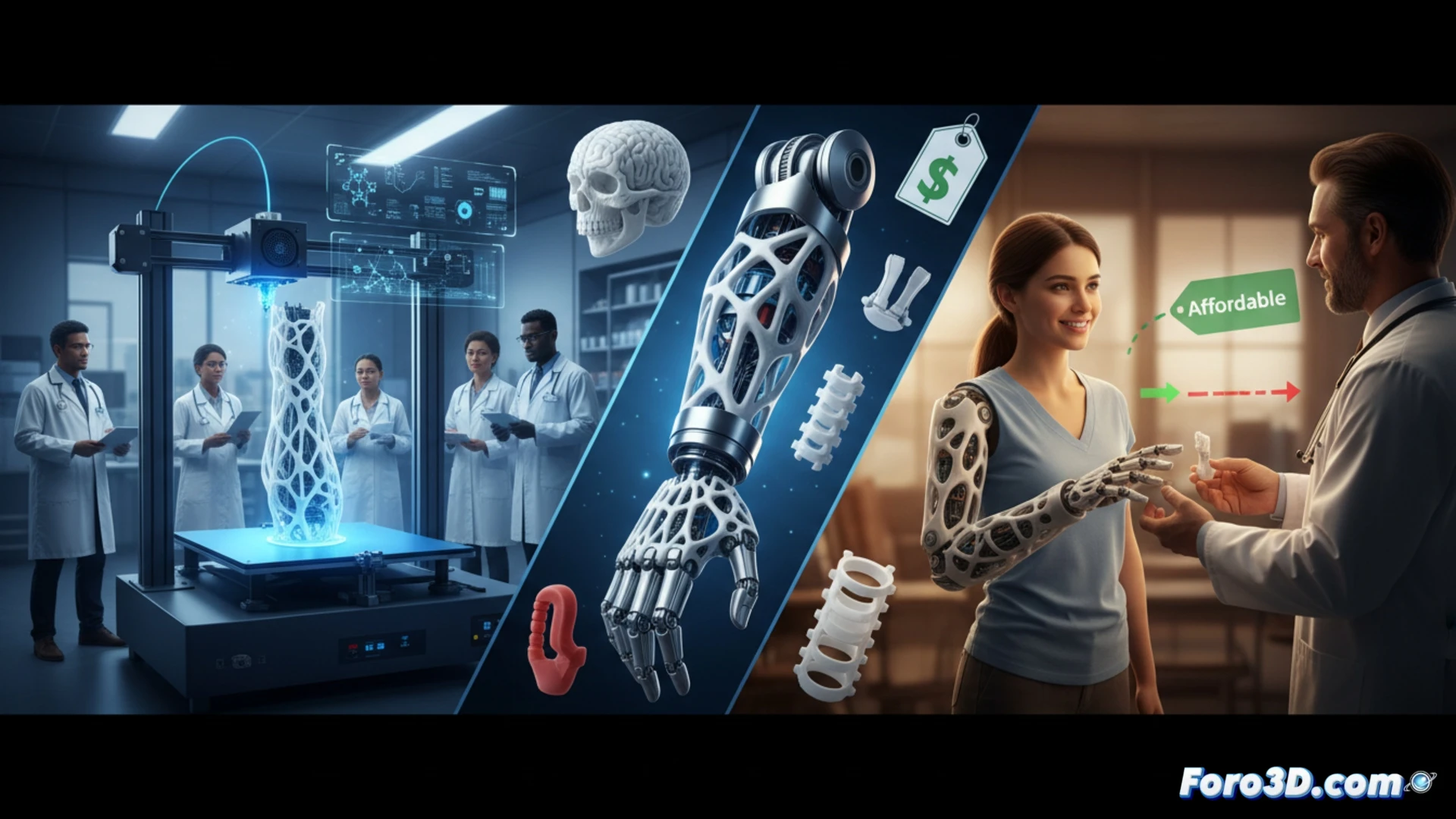
How additive manufacturing accelerates personalized surgery 🏥
Researchers use 3D scanners to capture the patient's exact anatomy and then design surgical models or prosthetics with specialized software. A 3D printer using medical resin or filament materializes the part in less than 24 hours. This eliminates weeks of manual fabrication and reduces material costs by up to 80%. Millimeter precision allows surgeons to plan complex operations in advance.
Now even your neighbor can have a spare bone 🦴
While before you waited months for a hip prosthesis, now they print it while you have breakfast. But don't get too excited: if you order an exact replica of your hand to scratch your back, your health insurance might deny it as frivolous. But for serious matters, this technology promises that even in the most remote village, you can get a new knee without selling your car.