Portugal has experienced its second general strike in six months. Trains, subways, schools, and hospitals were affected by the union protest. The government is pushing labor reforms that extend the workday without extra pay, facilitate layoffs, and cut strike rights. For citizens, this means fewer public services and more precariousness.
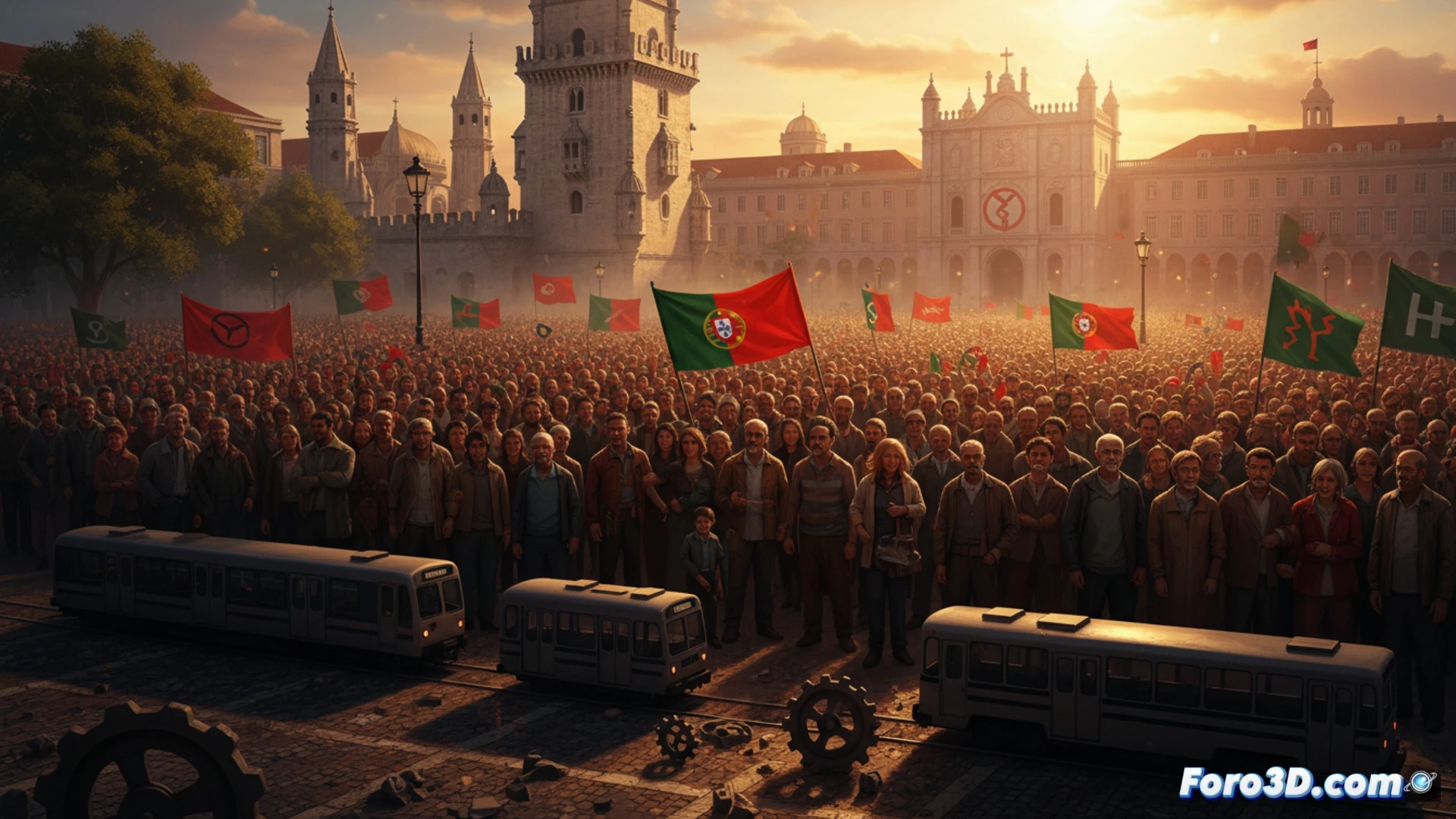
Source code of precariousness: automation without rights 🛠️
Labor management technology allows tracking every minute of work, but the new Portuguese laws seek to extend the workday without compensation. Productivity tools like TMS or ERPs can integrate flexible schedules, but if used to squeeze the employee, the result is an inefficient system. Automating processes without labor guarantees only accelerates talent burnout and turnover.
Recipe for a productive country: work more, earn less, stop everything 🚂
The government's idea is simple: if you work more free hours, the economy grows. The only flaw is that workers, those who make trains and hospitals run, disagree. They have decided that the best way to increase productivity is to stop everything. It's logical: if you don't pay overtime, the employee takes a mandatory break. Economy of efficiency.