Poland is preparing for a measure that will spark debate: starting in September, children aged 7 to 15 will not be allowed to use cell phones in primary schools, not even during recess. Added to this is an age verification system to block access to pornographic content. The goal is to curb screen addiction, which affects school performance and the behavior of minors. A decision that bets on children's health over unfiltered digital freedom.
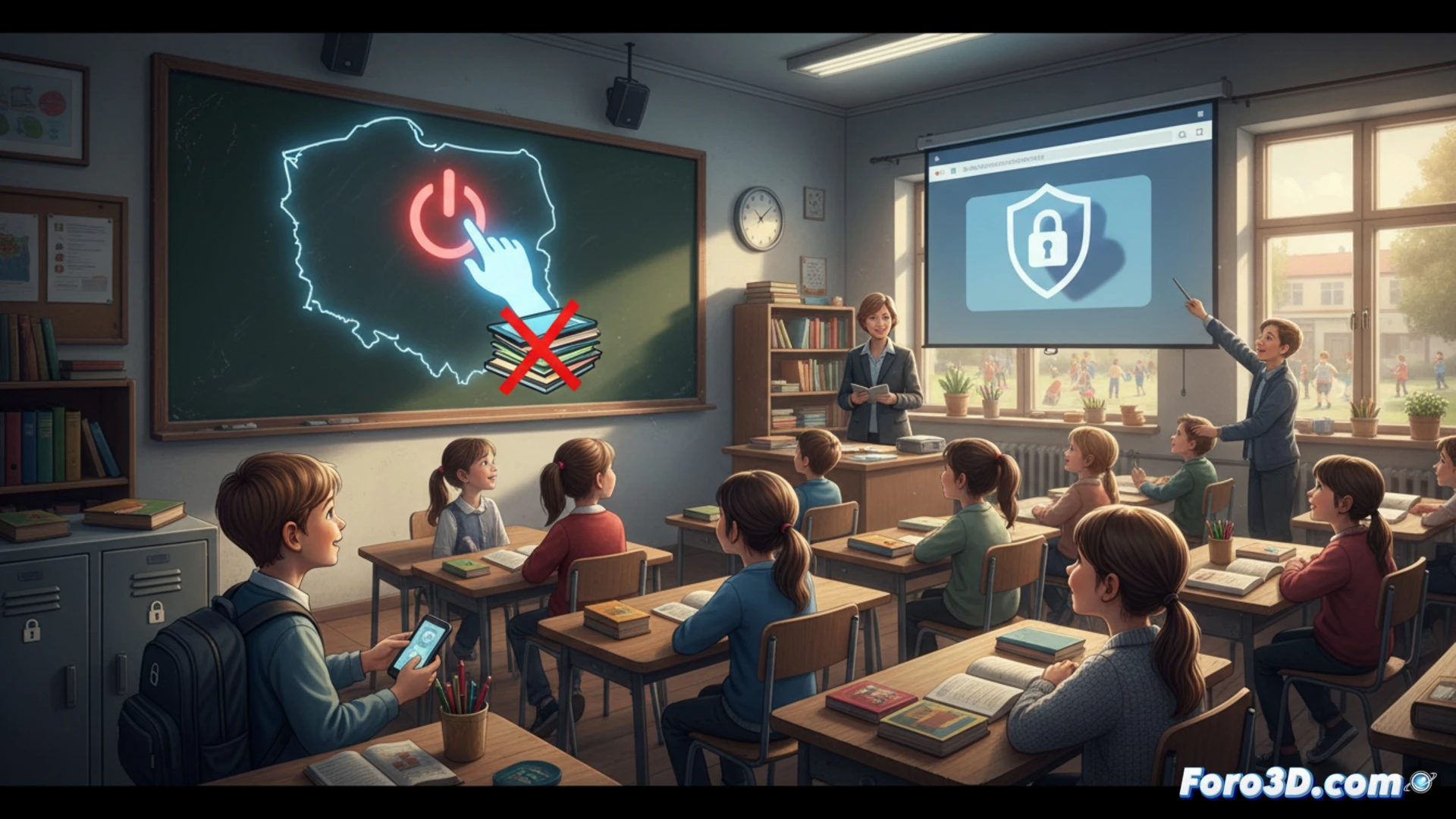
Age filters and restrictions: hardware at the service of child protection 🛡️
The technical implementation of this law will require device operating systems, whether mobile phones or tablets, to integrate reliable age verification mechanisms. This ranges from using biometric data or official documentation to collaborating with network operators to block unverified traffic. At the software level, educational centers will need to deploy access control policies that prevent connection to social networks or games during school hours, while mobile phone manufacturers will have to adapt their systems to comply with Polish regulations.
And meanwhile, during recess, it's time to remember how to play tag ⚽
The measure promises initial chaos: angry parents because they won't be able to locate their children via WhatsApp, and children who will discover that boredom in the playground exists and cannot be solved with a like. The irony is that while adults debate digital privacy, the little ones will have to face the drama of talking face to face or, worse yet, coordinating to play soccer without an app in between. Quite a technological setback that, who knows, might teach them to socialize without screens.