The Pokémon franchise has announced a collaboration with Aardman, the studio behind Wallace and Gromit, to produce a stop-motion animated series arriving in 2027. Instead of relying on automatic image generation or fast digital processes, the production will be artisanal, frame by frame. This decision marks a commitment to manual work over cheap technological solutions, highlighting the value of human effort in animation.
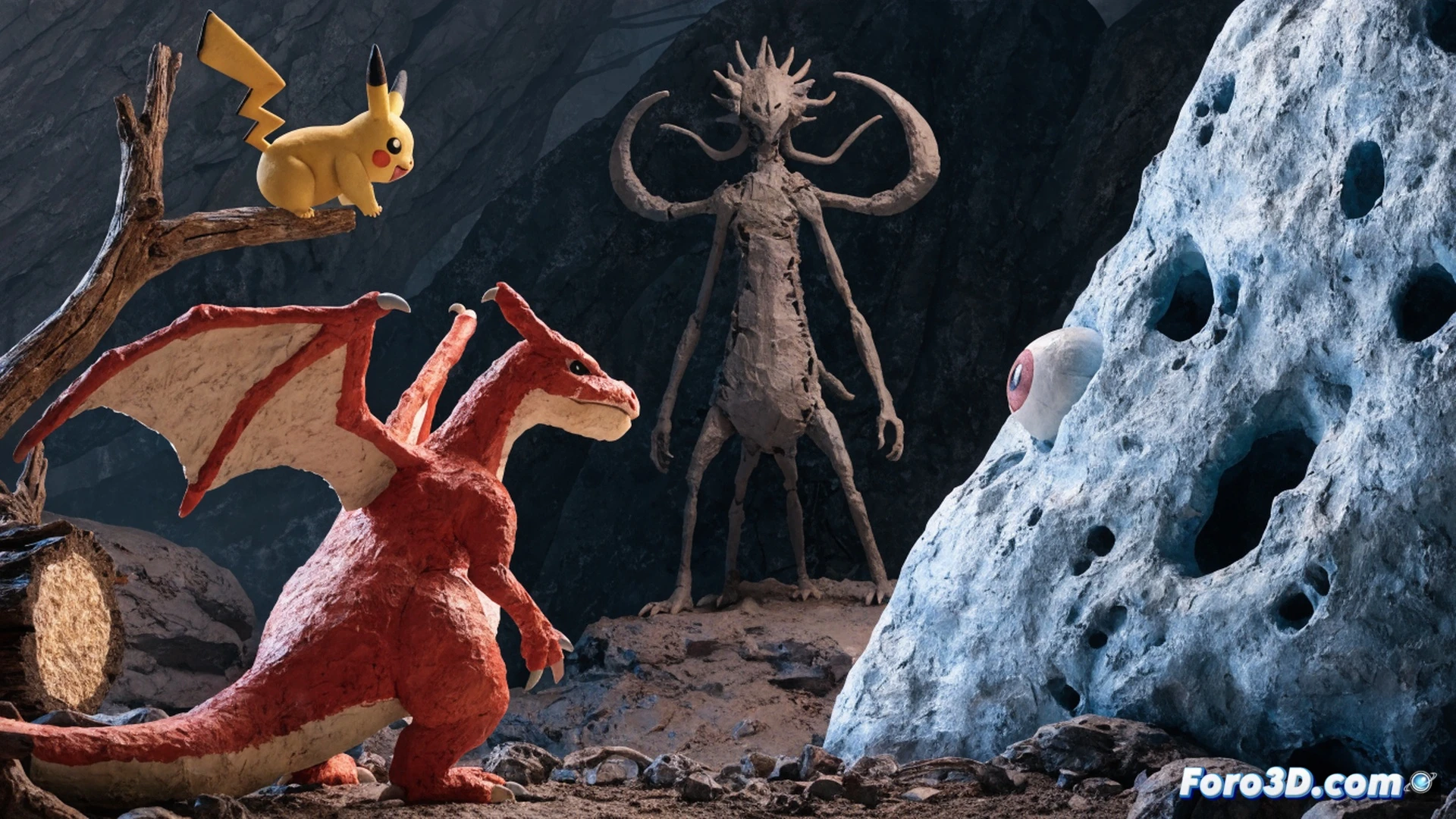
A return to the origin: manual animation without digital shortcuts 🎬
Stop-motion requires physically building sets and puppets, moving each element between frames. Aardman is known for its meticulousness: one second of animation can require 24 different positions of a model. For a Pokémon series, this means hundreds of hours of work per episode. While other productions opt for fast rendering or artificial intelligence to save costs, here they pay for the time of artisans who manually adjust facial expressions and lights. The result promises textures and movements that no software can replicate.
AI stays out: Aardman molds Pikachu by hand ✋
While some companies dream of generating entire series by typing prompts, Pokémon prefers that people with clay and cold coffee move a clay Pikachu millimeter by millimeter. It's the choice between an algorithm that spits out images in seconds and a team that debates whether the Pokémon's ear should tilt two or three degrees. In the end, the authenticity of a figure with fingerprints beats the perfect pixel. The moral: some still believe that handmade work deserves its time, even if it takes three years to premiere.