Pinterest has signed a multi-billion dollar agreement with Amazon until 2031 to use its cloud. It's not a server purchase, it's a perpetual lease that ties the platform to a single provider. Convenience has a price: dependency. When costs rise, advertisers will pay more and users will see more expensive products on their boards. The cloud is not a service, it's an invisible tax that always trickles down.
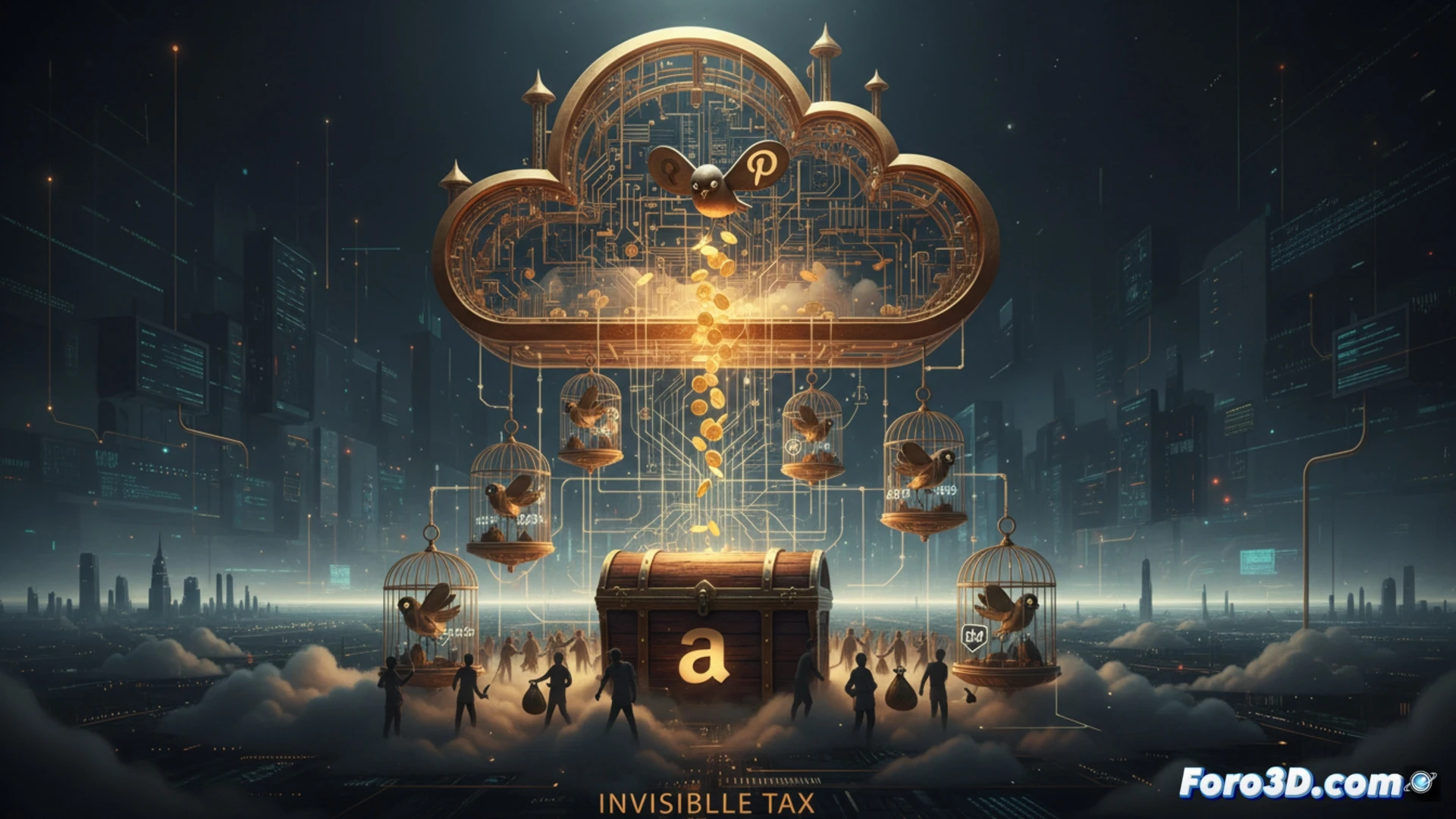
The architecture of dependency: scaling in someone else's cloud 🏗️
Building your own data centers requires high initial investment and constant maintenance. Pinterest chose to pay $4 billion to avoid that short-term expense, but now depends on Amazon Web Services infrastructure. Every time they want to migrate or renegotiate, the exit cost will be high. Technology rewards immediacy but punishes digital sovereignty. Amazon, Microsoft, and Google sell convenience on installment, and the contract always favors the landlord.
Renting the cloud is like having an apartment without a key 🔑
Imagine paying $4 billion for an apartment that will never be yours. You can decorate it, but the landlord decides when to raise the rent or if one day they kick you out because it's more profitable to rent it to someone else. Pinterest has signed that contract. And when prices go up, advertisers will notice, and then users. In the end, money always flows upward, like smoke. Meanwhile, free alternatives remain a minority, not because they are bad, but because they don't have $4 billion to run a campaign.