Phoebe Bridgers announces surprise concerts with physical flyers only and bans mobile phones. A strategy that seems to reject the internet, but her fans spread every detail on social media. Doubt about its authenticity grows: is it a genuine gesture or a marketing campaign designed to generate virality and scarcity? 🤔
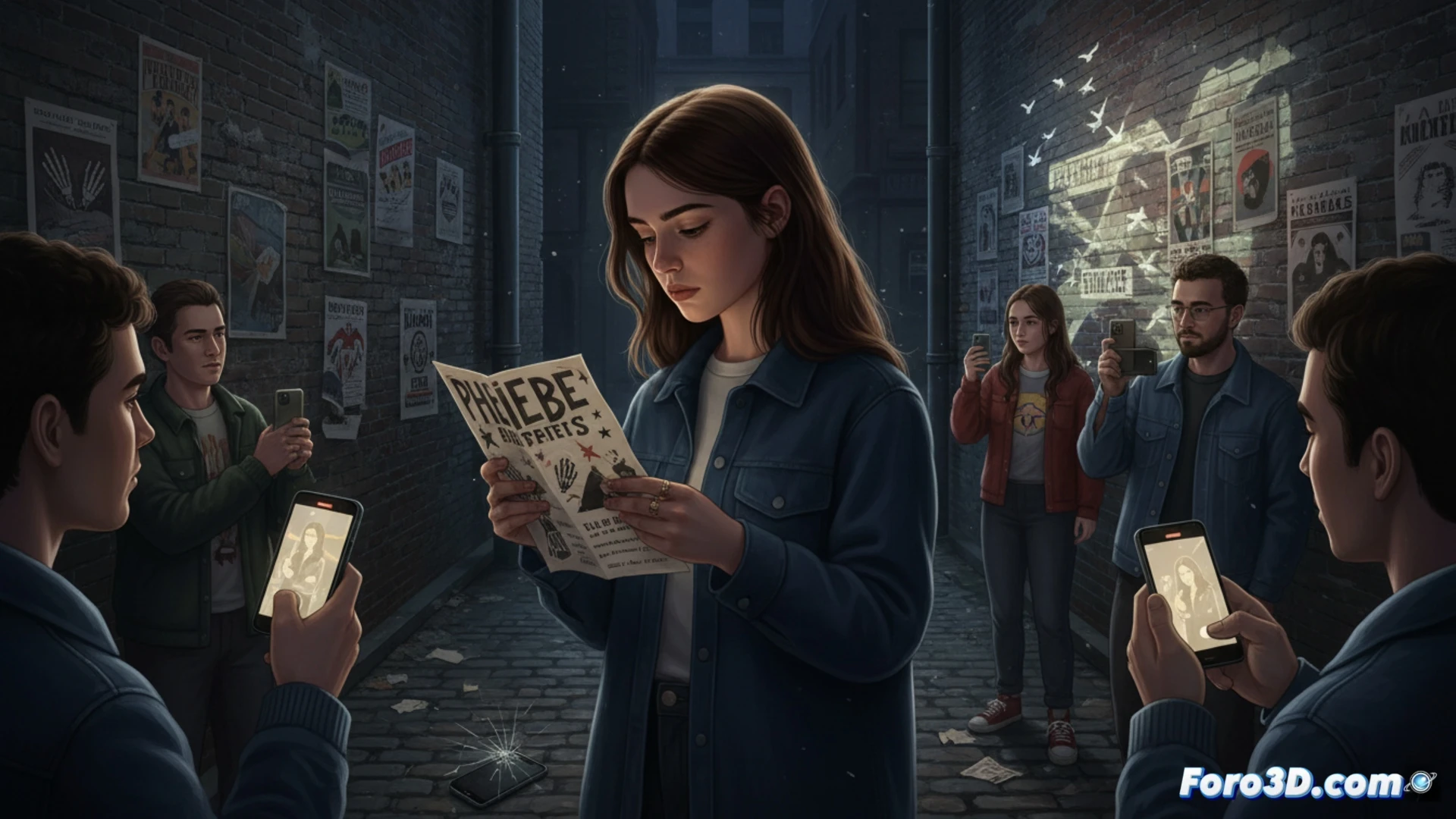
The digital paradox: exclusivity marketing fueled by social media 📱
The phone ban creates an aura of exclusivity that increases the desire to attend. Physical flyers, photographed and shared on Twitter and Instagram, become viral content at no cost to the artist. Meanwhile, Bridgers uses the internet to sell merchandise and announce tours. The supposed authenticity is a prefabricated pose that sells tickets at inflated prices. The music industry knows that rebellion against the digital is the best bait in the digital age.
No screens, but with the phone in your pocket to sell t-shirts 💸
The artist says no to phones at her concerts, but she surely doesn't say no to revenue from online sales of her 80-euro sweatshirts. It's like that friend who boasts about not having Instagram but asks you to tag them in your stories. Authenticity is the most profitable product: fans spread the lie for free while Bridgers pretends to hate what makes her rich. Ironies of marketing.