The truce between the United States and Iran has caused a drop in oil prices, which eases inflation in emerging markets. However, the relief is partial: the damage to household purchasing power has already been done. Countries like India, Brazil, and Turkey remain on alert due to the high cost of living and persistent inequality.
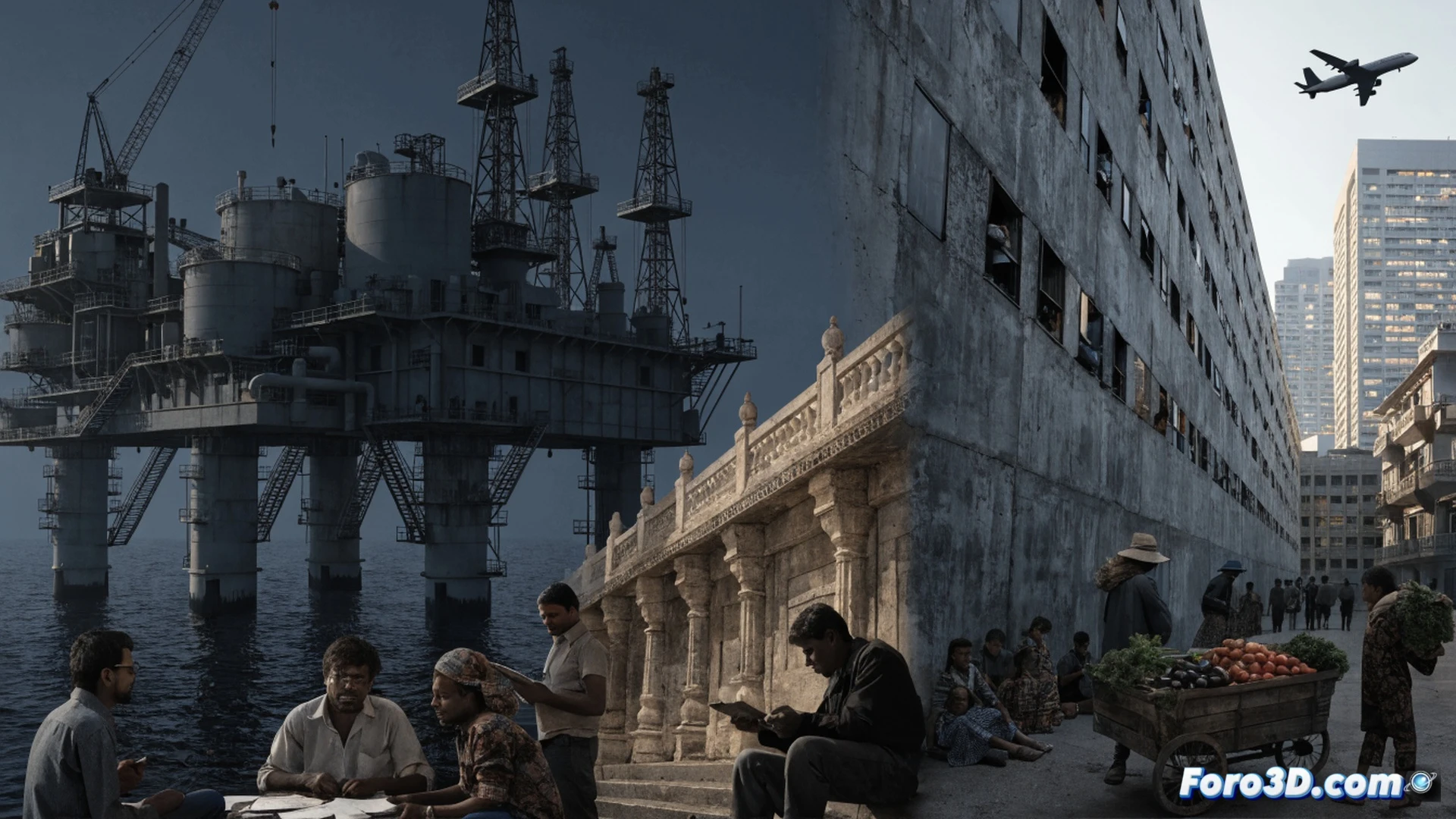
Cheap energy does not accelerate local innovation ⚡
The drop in crude oil reduces industrial production costs, but does not solve the lack of investment in clean technologies and energy self-sufficiency in emerging nations. Without the development of renewable infrastructure or energy storage, these economies remain tied to external volatility. The current calm is a respite, not a structural solution for the energy transition.
Geopolitical peace: a balm that doesn't reach the supermarket 🛒
The good news is that the price of a barrel of oil has dropped. The bad news is that cooking oil, gasoline, and bread are still rising as if they've seen a ghost. The market seems to say: thanks for the truce, but last month's bill is not forgotten. People applaud world peace while checking if they can afford coffee. Ironies of the global economy.