The children's series Peppa Pig faces controversy for requiring its child actors to give up their voices to train artificial intelligence. According to complaints, this would allow cloning and using those voices without limits, affecting their future careers. For the public, the case shows that children's rights in entertainment are at risk due to unregulated technological advancement.
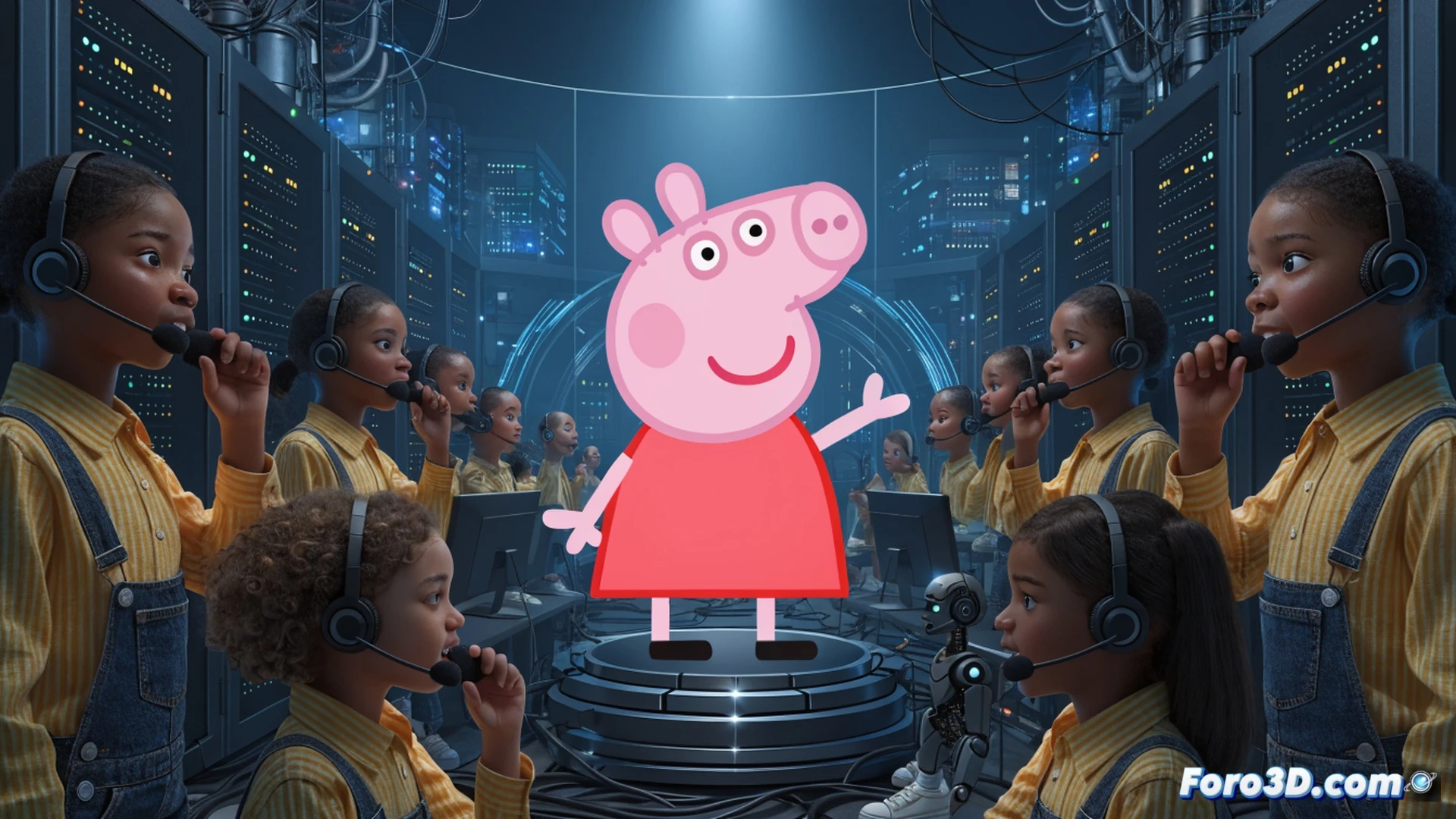
How voice cloning works in the dubbing industry 🎙️
The voice cloning technique uses audio samples to create a synthetic model that mimics tone, rhythm, and intonation. In children's dubbing, just hours of recording are enough for AI to replicate voices without needing the human actor. This reduces production costs but leaves children without control over their sonic identity. Without clear contracts, their voices can be used in future projects without compensation or renewed consent.
The future where Peppa talks alone and children fall silent 🤖
Soon we will see Peppa Pig arguing with George without any child having opened their mouth. Child actors will give their voice to the machine and then go play, while AI works overtime without pay. The funny thing is that parents signed the permission thinking about one episode, not an eternal career for their child as a digital ghost. Perhaps the next step is selling the soul in the cloud.