The Pentagon has closed its press room for journalists, arguing that it contained classified data due to the work of speechwriters. Additionally, it banned the publication of officially unapproved information and consulting unauthorized sources. Although a court declared this partially unconstitutional following a lawsuit, the measure reduces transparency regarding defense and military spending, limiting citizen oversight over the use of tax dollars.
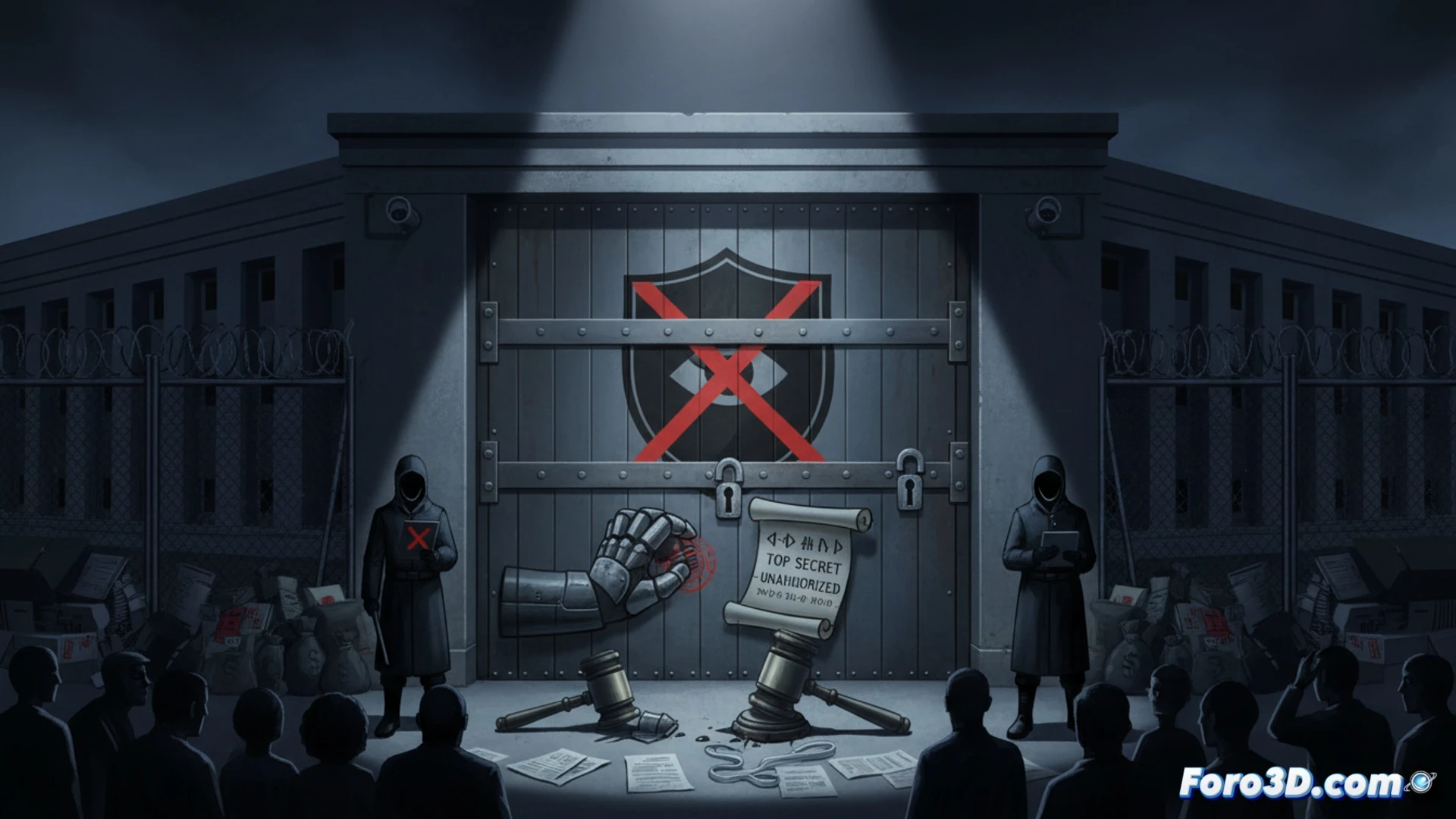
Censorship technology: filters and data control 🔒
The system implemented by the Pentagon uses real-time content filtering tools, automatically blocking any data not verified by the public affairs office. Journalists only access official statements, while internal databases and direct contacts with personnel remain restricted. This model, similar to corporate firewalls, prevents independent verification of military spending figures and strategic decisions. The technology, although effective for controlling information flows, creates an environment where citizens depend on single, official versions.
Press room: now a top-secret zone (and cold coffee) ☕
The Pentagon discovered that its speechwriters were a national security threat, so it decided to close the press room. Now journalists must ask for permission to inquire whether the military budget includes new coffee makers. The funniest part is that, according to the new rules, asking a soldier about the weather at the base could be considered espionage. Good thing they can still read the official statements, which always say the same thing: everything is under control.