Pope Leo XIV summoned 178 cardinals to a consistory to promote shared leadership in the Church. The initiative seeks to openly listen to criticism and avoid internal conspiracies. For the faithful, this means a less hierarchical and more participatory institution, continuing the path of synodality promoted by Francis. The goal is a model where all members have a voice in key decisions.
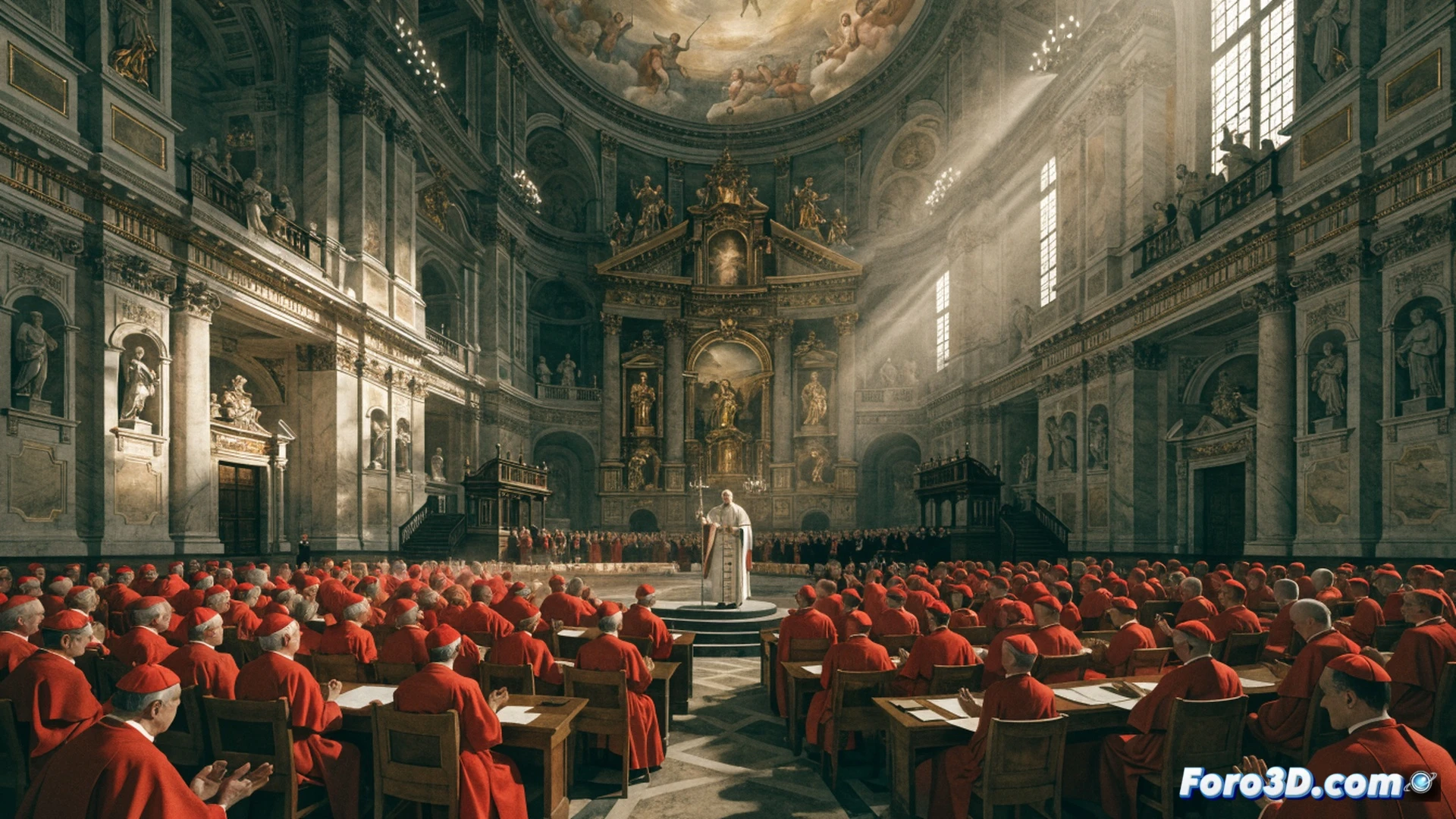
Synodality as an update to the ecclesiastical system 🏛️
This change implies a restructuring of Vatican governance, similar to migrating from monolithic software to a distributed architecture. Instead of a single central entity deciding everything, advisory nodes are established: cardinals act as regional servers processing data from their communities. The consistory functions as a validation committee, where each criticism is a security patch against system errors. It is a model that prioritizes redundancy of opinions over single-person authority.
Fewer thrones, more wheelchairs for bureaucracy 🪑
Now, if a cardinal has a complaint about the incense or the color of the chasubles, they no longer need to write an anonymous letter. They can bring it up in the meeting while others take notes. Of course, with 178 people giving opinions, the vote to decide the dinner menu could last longer than a conclave. At least, if a conspiracy arises, it will be so slow to organize that by the time they plot it, everyone will have forgotten the reason.