At 92 years old, photographer Paolo Gasparini, a key figure of neorealism, publishes a new photobook denouncing the transformation of the medium. For Gasparini, contemporary photography has lost its communicative essence, becoming visual noise that saturates the landscape without conveying a real message or deep social criticism.
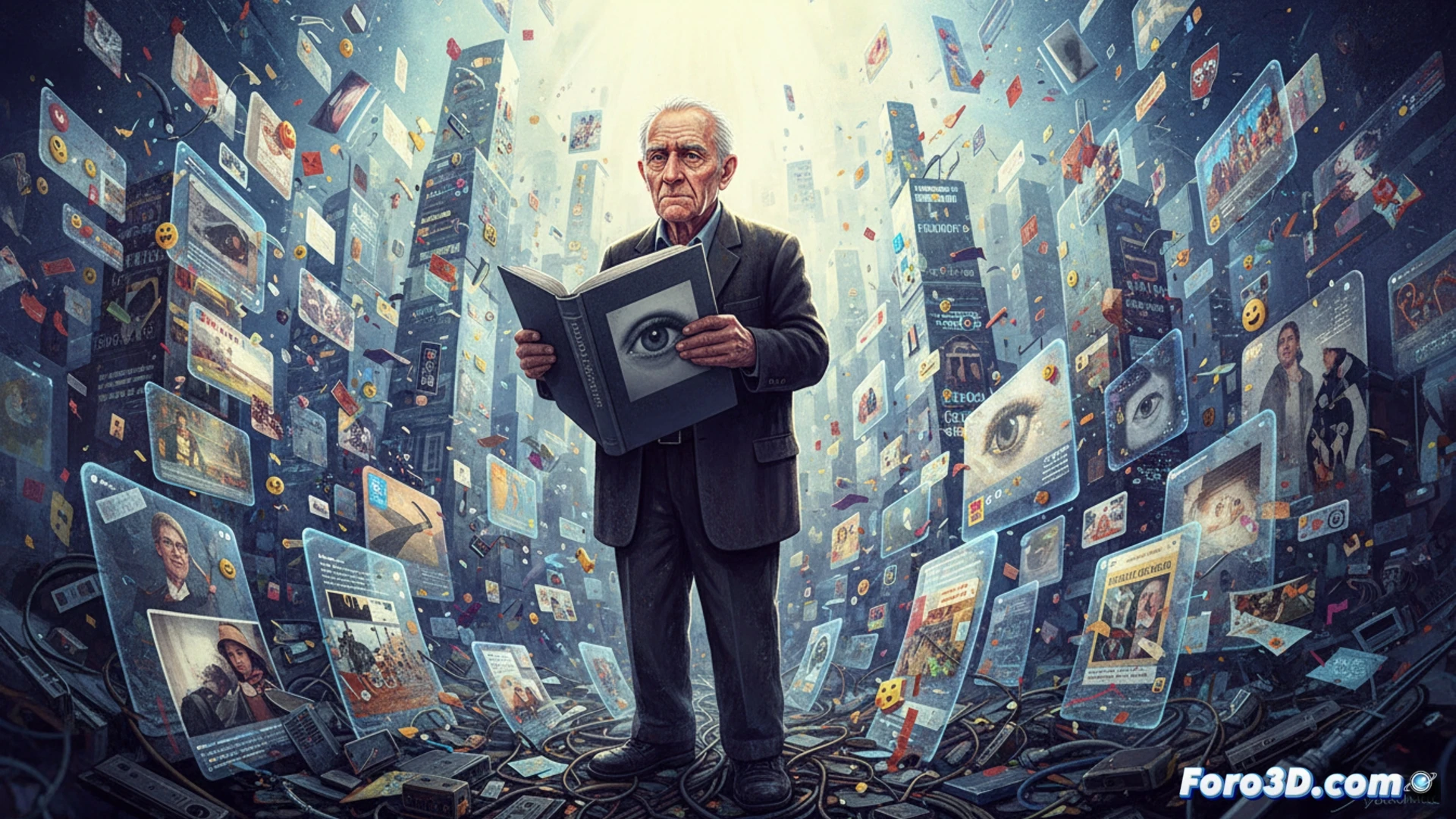
The algorithm and the loss of the decisive moment 📸
Gasparini points to digital technology as a factor that has fragmented visual narrative. Where there once was a reflective process and a decisive moment captured on film, today sensors and automatic processing generate thousands of images without editing or intention. The democratization of the device has eliminated the necessary pause to construct a discourse, prioritizing quantity over documentary substance.
From the Leica to the selfie: the noise of immediacy 📱
The neorealist master suggests that today anyone feels like a Cartier-Bresson with a phone in hand, but the result is a visual landscape as dense as a rush-hour traffic jam. If a photo was once worth a thousand words, now it is worth a thousand notifications. Gasparini seems to wonder if we have gone from capturing reality to only capturing the thumb of the person looking at it.