The United States has formalized the Netherlands' accession to the Pax Silica bloc, a coalition focused on reducing dependence on Chinese semiconductors. By hosting ASML, the key company in advanced chip manufacturing, this measure reinforces technological restrictions. For the average citizen, this could translate into more expensive electronic products and limited availability of cutting-edge devices.
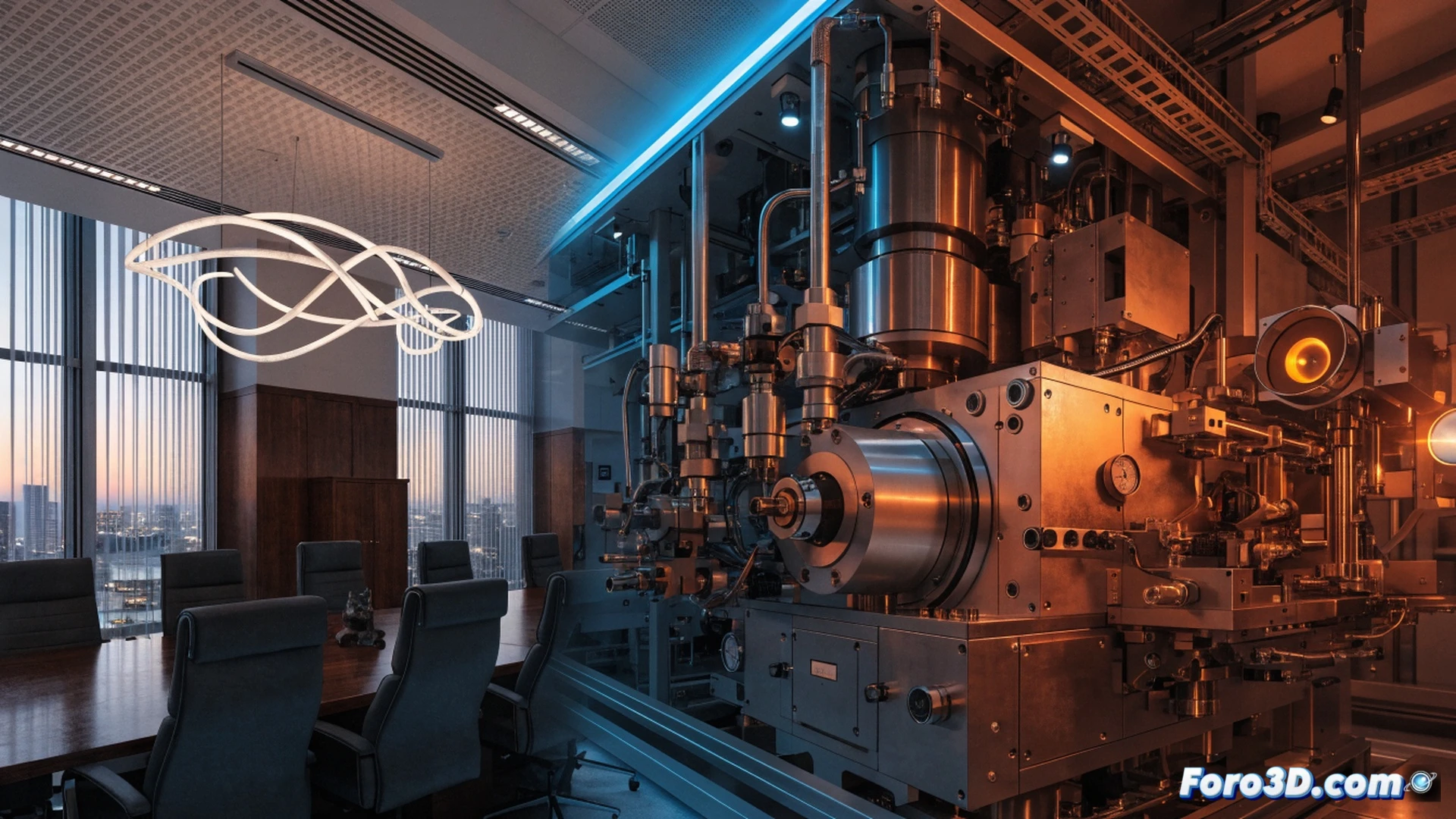
The dominance of ASML and the lithographic bottleneck 🔬
ASML controls the production of extreme ultraviolet (EUV) lithography machines, essential for manufacturing the thinnest and most powerful chips. With the Netherlands within the bloc, the export of this equipment to China is restricted, slowing down its technological progress. However, this control also affects the global supply chain: manufacturers depend on a single supplier, causing delays and raising production costs across the entire sector.
The chip war: the consumer foots the bill 💸
While the powers that be fight over who controls lithography, the end consumer rubs their eyes at the price of mobile phones. It turns out that geopolitics doesn't spare even the wallet: each new restriction is a perfect excuse for the latest iPhone to cost as much as a used car. In the end, the chip war is won by those who sell protective cases.