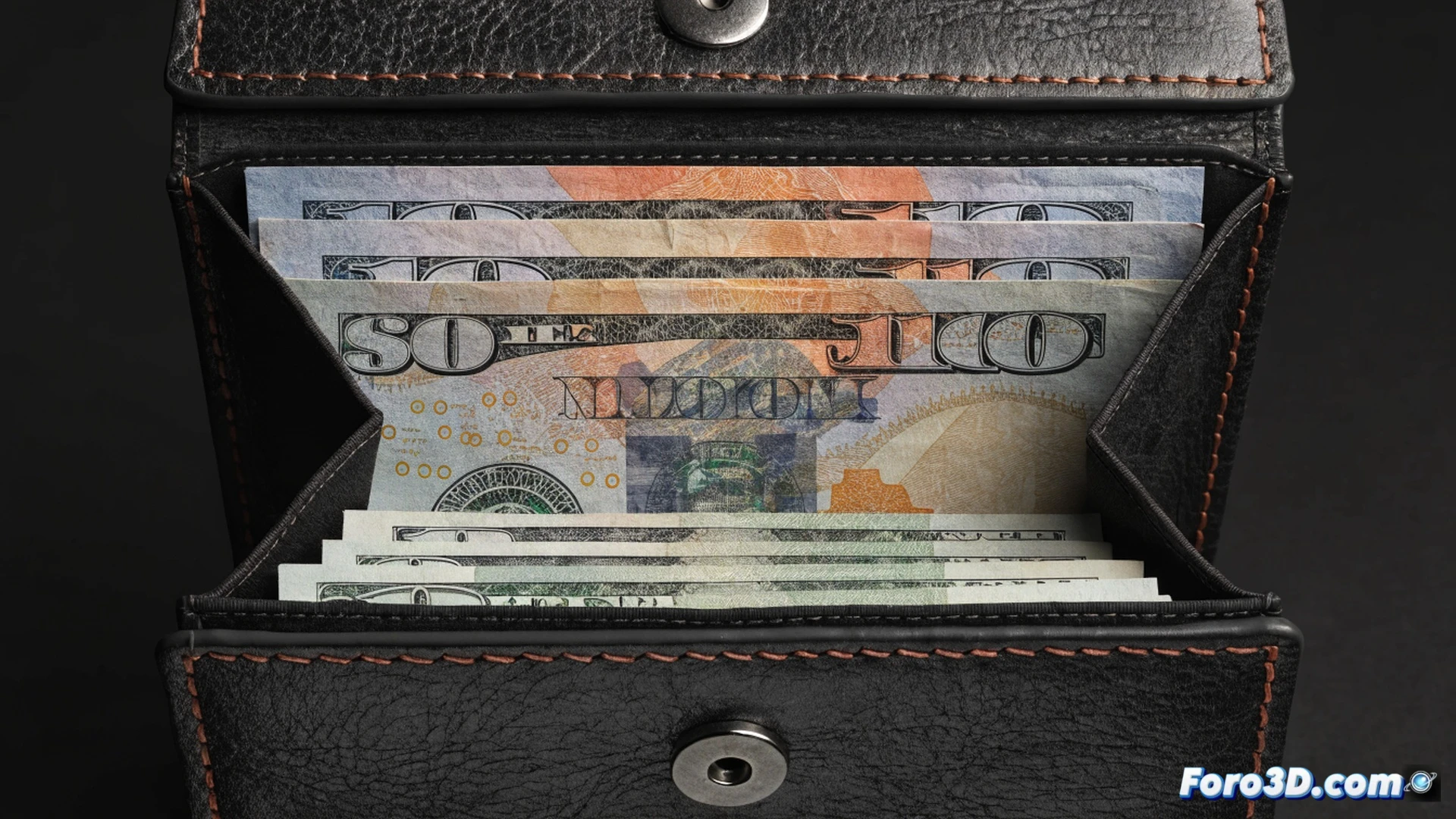
A recent psychological study has focused on an everyday gesture: how we arrange banknotes in our wallet. Those who place them from smallest to largest tend to be organized, planning-oriented individuals with control over their spending. This habit, far from being a quirk, helps avoid impulse purchases and manage money better, reducing financial stress without falling into obsessions. For the general public, it is a simple tool that encourages saving and foresight.
The Logic of the Algorithm: How Your Wallet Mimics a Financial Management System 🧠
From a technical perspective, this ascending order resembles the data structure of a priority queue in programming. By classifying banknotes as if they were numerical variables, the brain executes a sorting routine that optimizes decision-making. This process, similar to that used by accounting software, allows the person to visualize their liquidity instantly. The wallet becomes a FIFO (First In, First Out) inventory where small cash is spent first, facilitating granular control of personal cash flow.
Monetary Chaos: When Your Wallet is a Battlefield of Crinkled Banknotes 💥
On the other hand, there are those who stuff banknotes in like confetti after a party. For them, the study brings no good news: their wallet is a reflection of existential chaos. Pulling out a 20-euro bill becomes an archaeological odyssey among shopping receipts and stuck chewing gum. But it's not all bad: if organizing your banknotes makes you a foresighted person, having them in a rat's nest makes you, at the very least, someone with a high tolerance for disorder and improvisation.