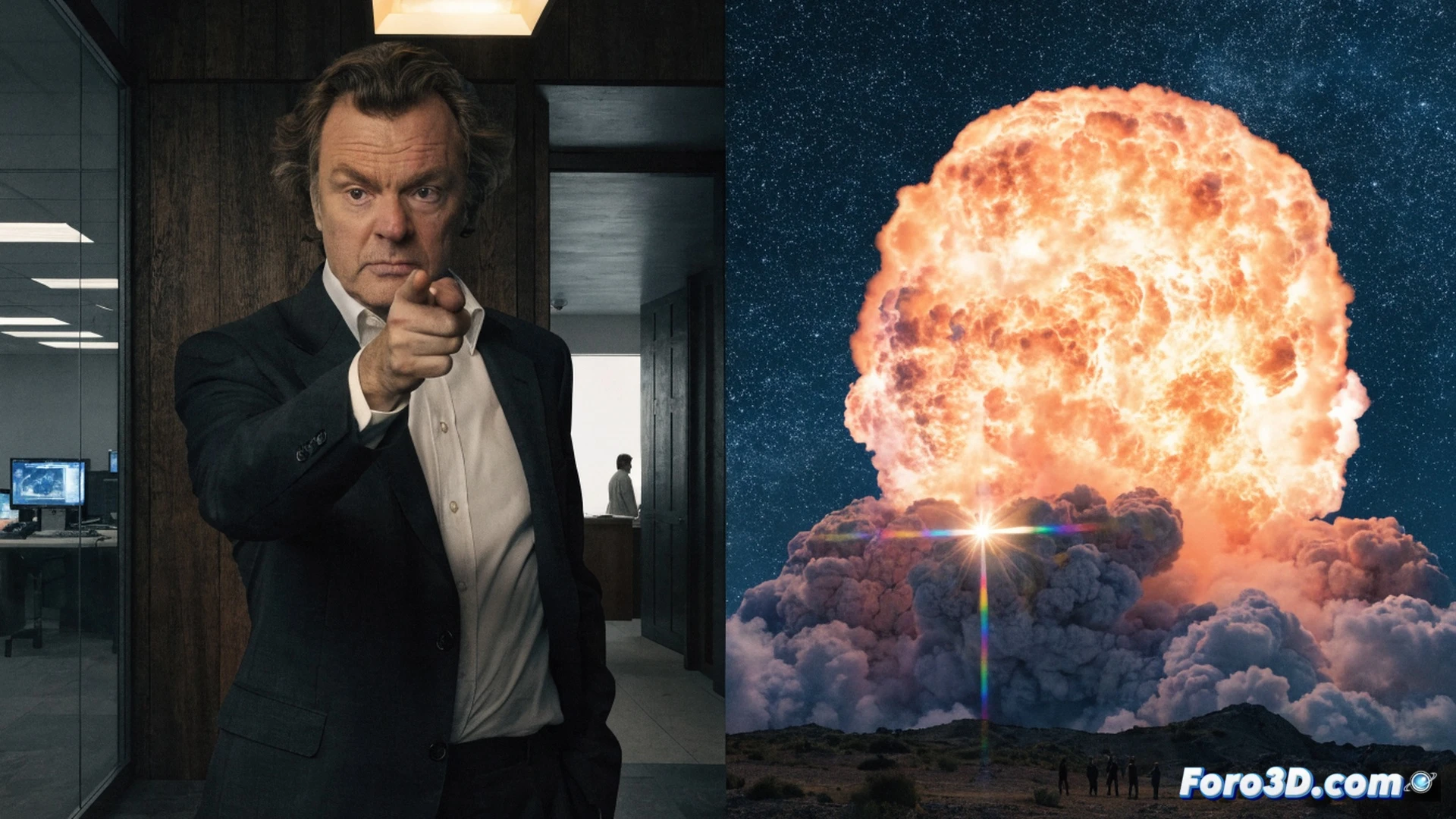
Christopher Nolan has hit the nail on the head by criticizing the film industry for prioritizing safe and repetitive formulas. According to the director, this lack of creative risk generates boring movies that drive audiences away from theaters. His argument is supported by data: Oppenheimer, a long and complex film, grossed nearly a billion dollars, proving that originality is profitable.
The Algorithm of Boredom: How Technology Limits Creativity 🎬
The studios' reliance on audience data and streaming platform algorithms has led to the production of standardized content. These systems prioritize what has already worked, penalizing innovative scripts or risky narrative structures. Nolan suggests that this technological logic, based on minimizing losses, ends up generating a homogeneous catalog that does not satisfy viewers seeking different experiences, such as those offered by IMAX cinema.
The Paradox of Safe Cinema: Boring to Avoid Losing Money 💡
It is curious that the same executives who fear losing their investment bet on stories so predictable that the public loses interest. It is as if a chef decided to serve only bread and water because no one complains, while the restaurant next door sells exotic dishes to a packed house. Nolan, with his three-hour success about nuclear physics, has reminded them that sometimes the safest bet is to take a risk.