Artist Niko Gesell offers direct advice to young creators: prioritize the art that truly motivates them, rather than conforming to what the market demands. In a context where artificial intelligence generates job insecurity, Gesell argues that personal authenticity becomes a key tool. For the public, this means that in creative jobs, being yourself can offer some protection against technological competition.
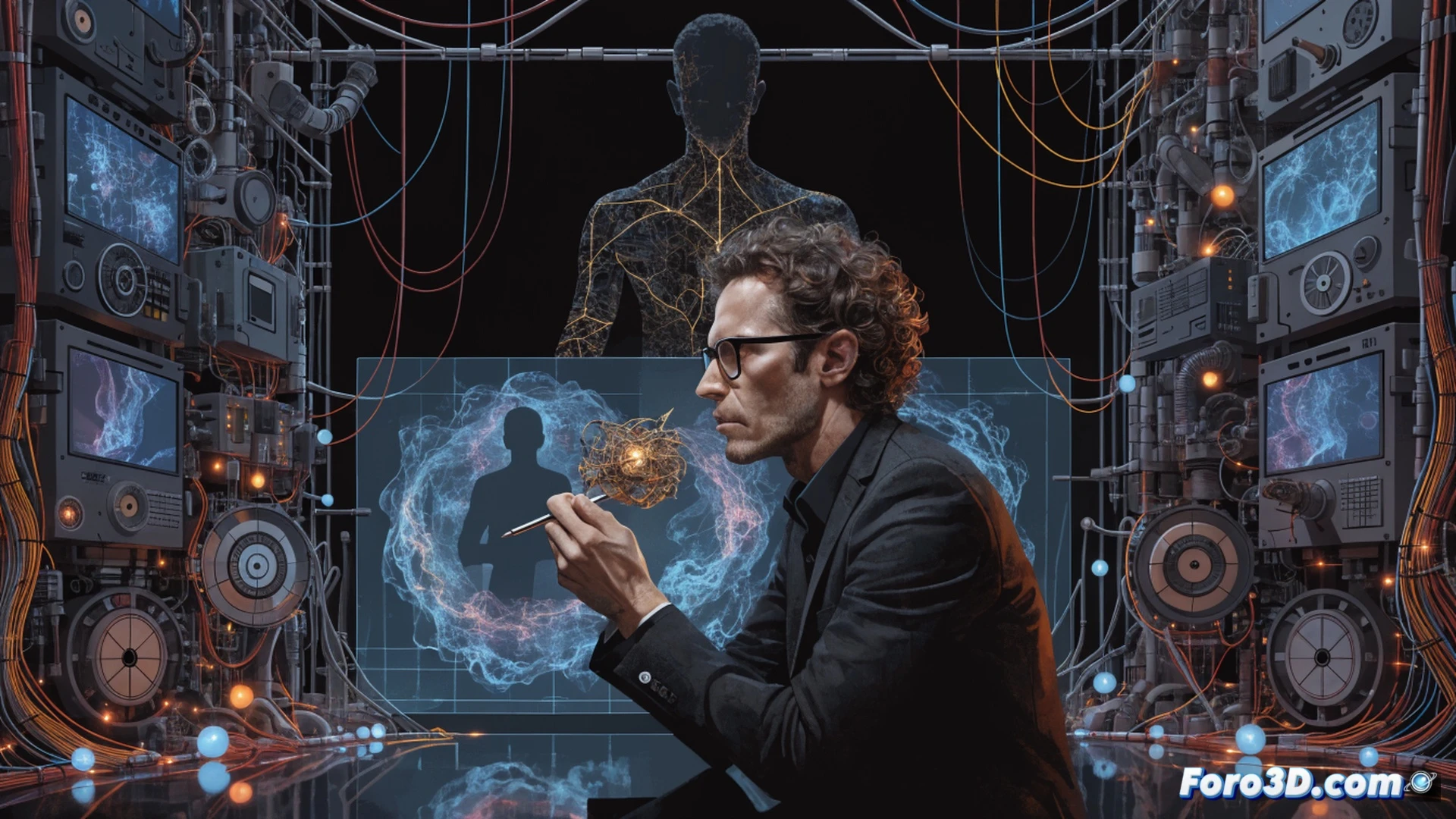
AI as a mirror: uniqueness as a technical advantage 🎨
Artificial intelligence learns from existing patterns and data, making it efficient at replicating popular styles. However, its ability to generate true novelty is limited. An artist who develops their own visual language, based on their genuine interests, introduces unpredictable variables that algorithms cannot easily copy. In practical terms, this means originality is not just an aesthetic value, but a functional barrier against automation. Creative work born from personal experimentation is more likely to remain relevant in the face of systems that only recycle trends.
The algorithm wants you to draw a dragon with a hat, but you prefer an octopus 🐙
It turns out that while machines learn to imitate trendy styles, artists who insist on drawing their weird obsessions might come out ahead. Because yes, AI can generate a thousand versions of a generic space hero, but it still chokes when you ask for an octopus wearing sunglasses playing the ukulele. So you know: if your portfolio looks like an IKEA catalog, the algorithm will replace you. If it looks like a flea market of oddities, you might have a future.