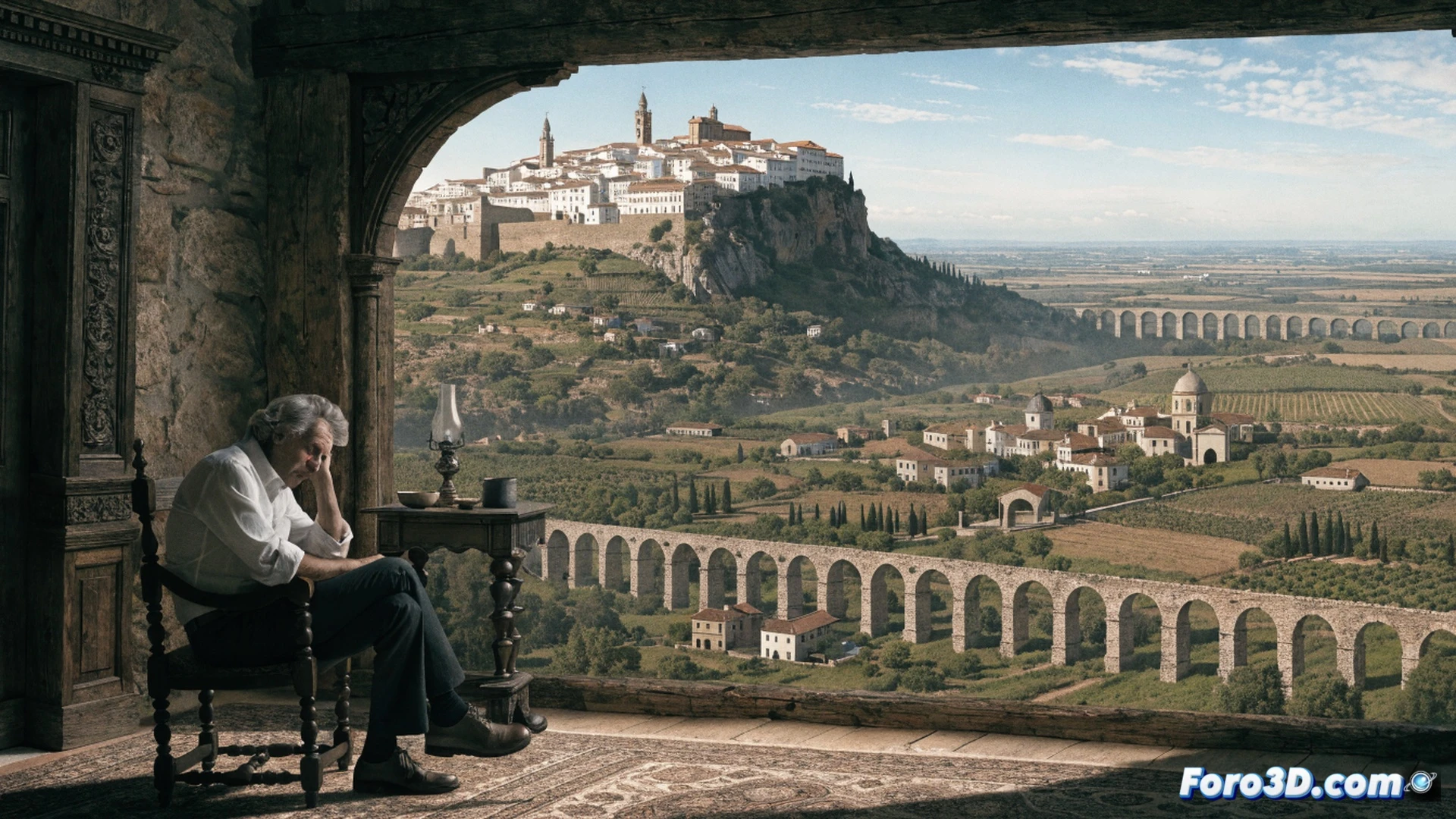
Writer Antonio Muñoz Molina publishes a book that unearths memories of his childhood in Úbeda and the fictional Mágina, key territories in his work. The work connects with the reader by showing how environment and memory shape our identity. For the public, it is an opportunity to reflect on origin and home, understanding that collective and individual memory intertwine to give meaning to everyday life.
Memory as a driver of technological and narrative development 🚀
In the field of development, Muñoz Molina's process resembles a digital restoration of old files: it starts from fragmented data (memories) and applies context algorithms (writing) to reconstruct a coherent image. Just as a developer debugs code to recover lost functionalities, the author debugs emotions to shape a human landscape. This methodology, based on iteration and cross-referencing sources, allows the local to transcend into the universal, without the need for specialized hardware.
Debugging nostalgia: how not to crash when remembering 🛠️
Muñoz Molina faces a common problem: the RAM of childhood has limits and sometimes returns a 404 error when searching for a memory. Instead of rebooting the system, the writer chooses to patch with fiction, like a programmer adding a temporary variable so the program doesn't crash. The result is a book that works, even though the reader suspects that some street in Úbeda never existed and that the author, like a good technician, improvised the solution.