As the 2026 FIFA World Cup approaches, cybercriminals have already begun operating. Fake websites offering non-existent tickets, malicious software stealing bank data, and identity theft impersonating official organizations are circulating. For citizens, this means a real risk of losing money or having their accounts hacked while searching for event information. The key is to verify the authenticity of each page and avoid downloading suspicious files.
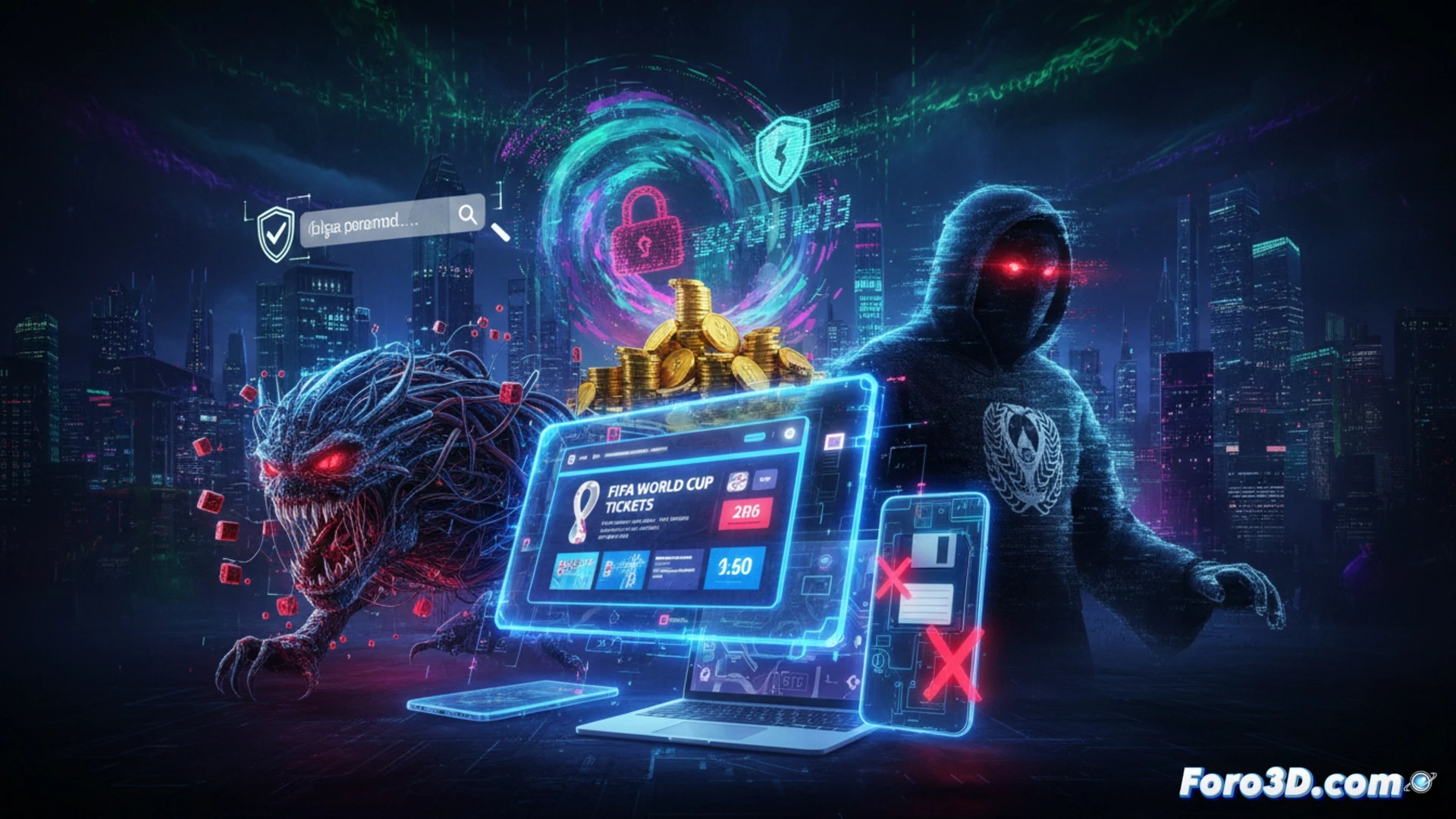
How frauds operate and what technical measures to take 🛡️
Scammers use phishing techniques with domains that mimic official ones, such as mundial2026-tickets.com or fifaboletos.net. They also distribute malware disguised as supposed calendars or stadium maps. To protect yourself, it is recommended to only use the official FIFA website, enable two-factor authentication on bank accounts, and avoid clicking on links in unsolicited emails. An updated antivirus and an ad blocker reduce the risk of infection.
Beware: even your favorite team can cost you ⚽
Because yes, now besides suffering over penalty kicks, you can suffer because your account was drained buying a fake scarf. Criminals know that emotion clouds reason, and they offer impossible promotions like half-price tickets or exclusive giveaways. If a stranger promises you tickets to the final in exchange for your bank details, it's probably not the holiday spirit, but a guy in pajamas from a basement. Distrust even your own excitement.