The 2026 World Cup in North America will put the public transportation of 16 cities to the test. With the rise in flights and gasoline, operators seek to attract both tourists and locals who avoid the bus or train out of habit. The goal is to offer a cheap and efficient service to capture new users, although the risk of raising fares due to fuel remains latent.
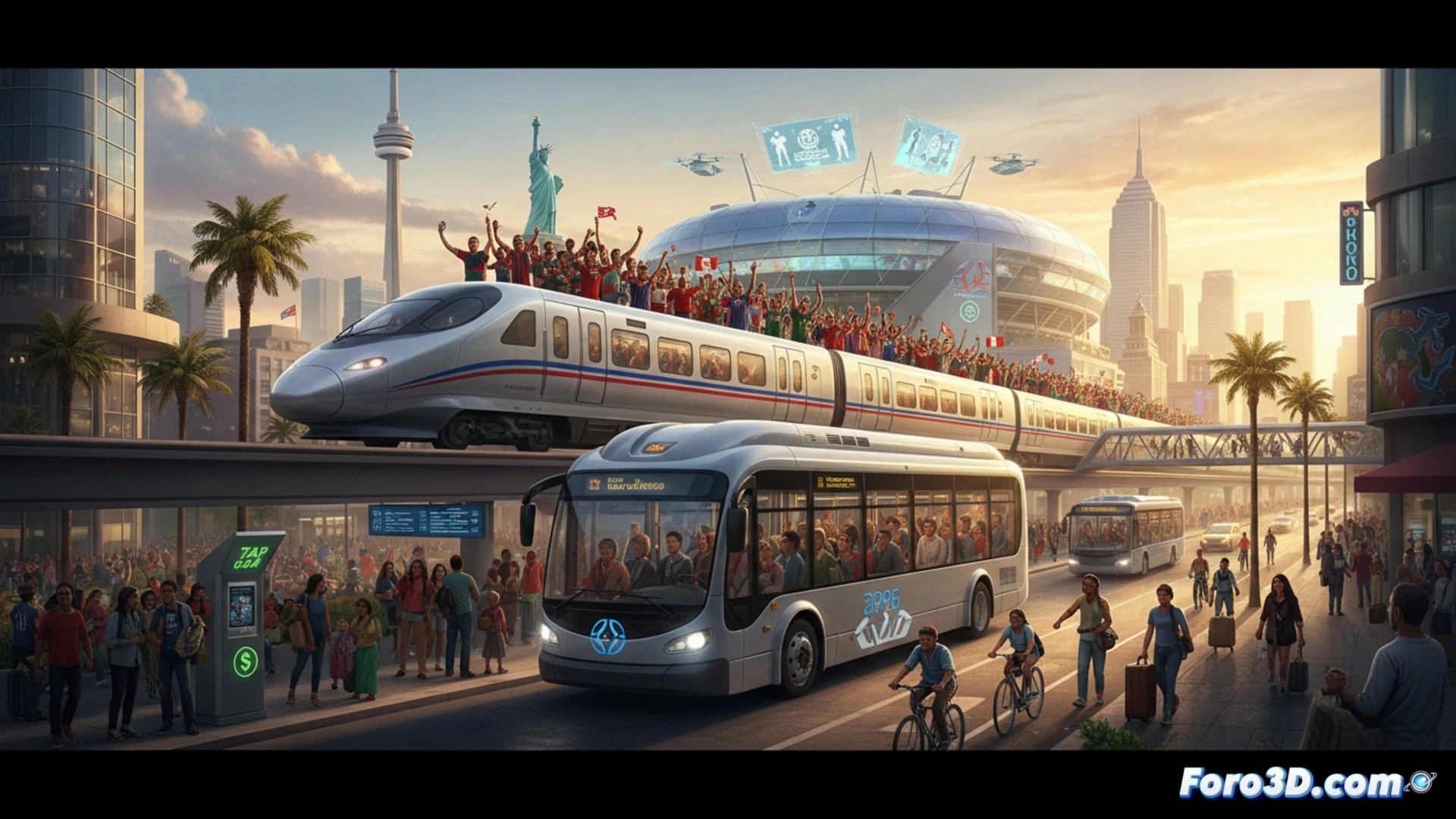
Smart systems and apps to avoid getting lost in the chaos 🚇
Cities have begun to integrate unified payment systems and real-time route apps. Cities like Los Angeles and New York are updating their fleets with GPS and occupancy sensors, while Toronto and Vancouver are testing light rail trains with frequencies every 5 minutes. The goal is to reduce user uncertainty: knowing when the next bus or train will arrive, and how much it will cost, without surprises. Investment in digital infrastructure is key to ensuring the service does not collapse during the matches.
The full bus: the new tourist attraction of 2026 🚌
Of course, all this sounds nice until you get on a bus with 50 sweaty fans singing their national team's anthem. Operators promise efficiency, but veterans know that the smell of cold pizza and expired deodorant will be part of the tourist package. At least, if fares go up, we can console ourselves by thinking we are paying for an immersive cultural experience, not just a ride.