A man has died after his vehicle plunged into the canal de los presos, near Brenes. The incident reopens the debate on the danger of stretches without protective barriers alongside waterways. For regular drivers in the area, the accident serves as a warning about the latent risks on roads that run parallel to canals without effective containment systems.
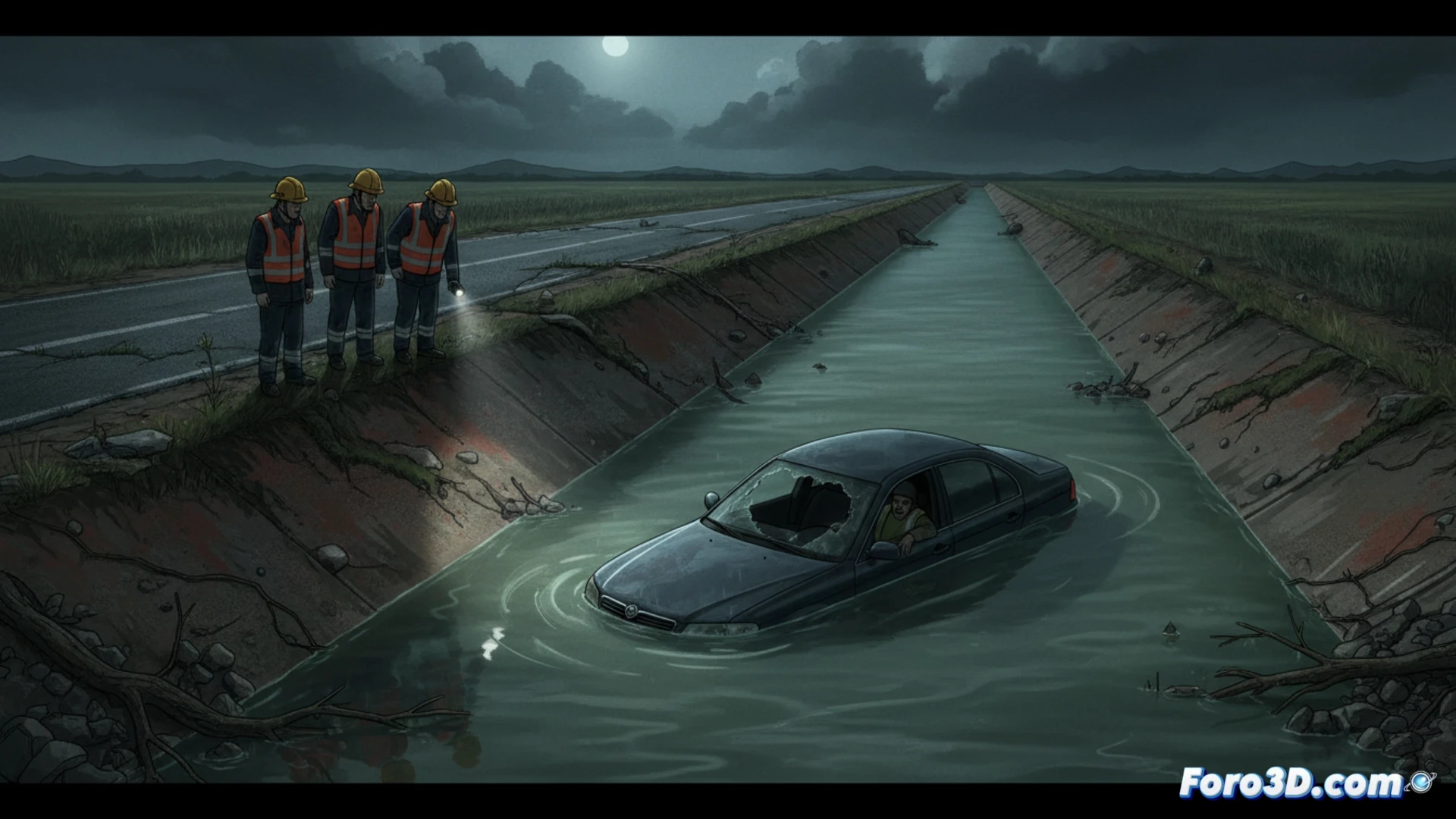
Safety technology: sensors and smart barriers 🚧
On roads with sharp curves near canals, systems such as sliding metal barriers or lane departure sensors could reduce accidents. Some European roads already install fatigue detectors connected to warning panels. In Spain, the implementation of these devices is scarce on secondary roads. The absence of active protection elements at points like the canal de los presos highlights a gap between what is technically available and what is applied in local infrastructure.
The low-cost solution: warning signs and good luck 😅
As usual, after the tragedy, promises of studies and, perhaps, a danger sign will come. After all, a canal without a railing is like a pool without a lifeguard: you know the risk exists, but you trust no one will fall in. At this rate, local drivers will have to install floats on their cars or take a swimming course for drivers. Meanwhile, the water continues to await its next victim.